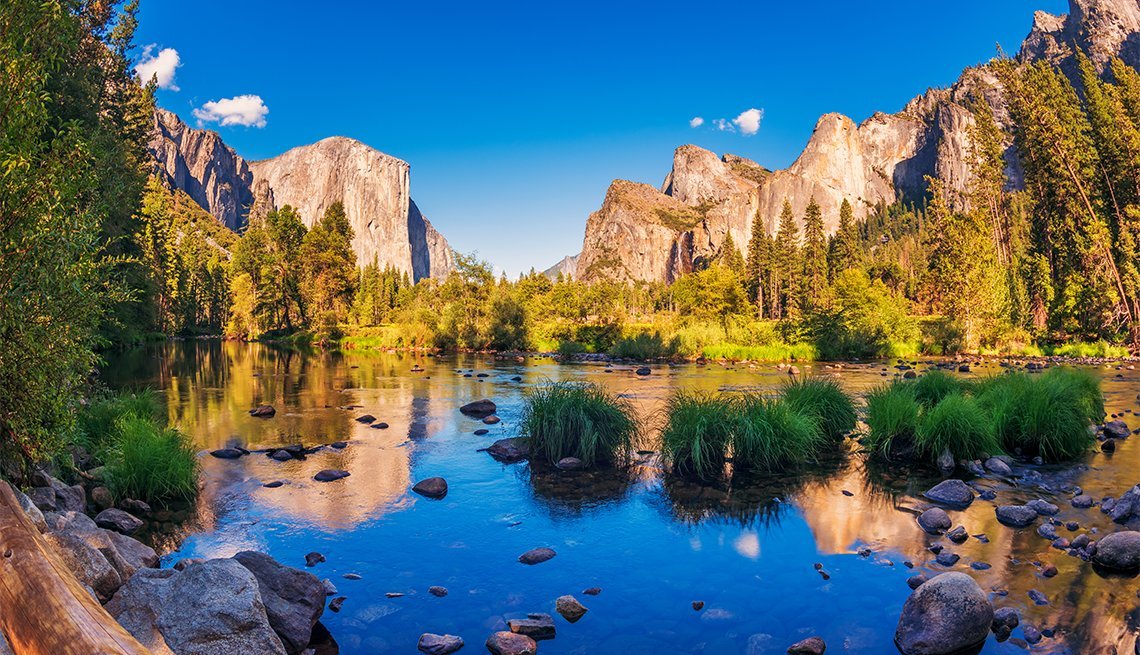
Travelling solo in California can be an exhilarating adventure, offering diverse landscapes, vibrant cities, and endless opportunities for exploration. Whether you’re planning a road trip along the coast or exploring the bustling streets of San Francisco, here are some essential tips to make your solo journey memorable and safe.
Why Choose Solo Travel in California?
Travelling solo allows you the freedom to explore California at your own pace. It’s an opportunity to discover hidden gems, indulge in local cuisine, and immerse yourself in the rich culture of the Golden State.
Travelling solo in California
Travelling solo in California
1. Plan Your Itinerary Carefully
Before embarking on your solo adventure in California, plan your itinerary carefully. Decide which cities and attractions you want to visit, and map out a route if you’re driving. Research local events, festivals, and activities that align with your interests.
2. Stay Safe and Informed
While California is generally safe for travellers, it’s essential to stay informed about your surroundings. Familiarize yourself with local laws and customs, and always keep your valuables secure. Be cautious when exploring unfamiliar neighbourhoods, especially at night.
3. Embrace Outdoor Adventures
California is renowned for its stunning natural landscapes. From hiking in Yosemite National Park to surfing in Santa Cruz, there are countless outdoor adventures to enjoy. Pack appropriate gear and always follow safety guidelines, especially if you’re hiking or camping alone.
4. Explore Cultural and Urban Attractions
Discover California’s rich cultural diversity by visiting museums, art galleries, and historical landmarks. Explore the vibrant neighbourhoods of Los Angeles, indulge in wine tasting in Napa Valley, or wander through the iconic streets of San Francisco.
5. Connect with Locals and Fellow Travelers
Solo travel in California is an opportunity to meet new people and make meaningful connections. Join guided tours, attend local meetups, or stay in hostels where you can interact with fellow travellers. Local insights can enhance your experience and lead to unexpected adventures.
6. Sample Local Cuisine
California’s culinary scene is as diverse as its landscapes. From fresh seafood on the coast to farm-to-table dining in the Central Valley, savouring local cuisine is a must. Visit farmers’ markets, food trucks, and acclaimed restaurants to taste the flavors of California.
7. Stay Flexible and Open-Minded
Solo travel allows for spontaneity and flexibility. Embrace unexpected opportunities and be open to changing your plans based on local recommendations or new discoveries. Flexibility adds a sense of adventure to your journey.
8. Experience Local Festivals and Events
Immerse yourself in California’s vibrant culture by attending local festivals and events. From music festivals like Coachella to cultural celebrations like the Chinese New Year Parade in San Francisco, these events offer a glimpse into the state’s diverse communities and traditions.
9. Visit Off-the-Beaten-Path Locations
While popular tourist destinations are worth exploring, don’t hesitate to venture off the beaten path. Discover charming small towns, scenic viewpoints, and lesser-known attractions that offer a quieter and more authentic experience of California.
10. Stay Active and Healthy
Maintain your well-being during solo travel by staying active and prioritizing your health. Take advantage of California’s outdoor fitness options, such as jogging along the beach, cycling through vineyards, or practising yoga in serene parks.
Conclusion
Travelling solo in California offers a unique blend of freedom, adventure, and cultural immersion. By planning carefully, staying informed, and embracing new experiences, you can create unforgettable memories in the Golden State.
Nestled in the heart of Northern California, Silicon Valley stands as a global symbol of innovation, technology, and entrepreneurial spirit. This sprawling region, encompassing cities like San Jose, Palo Alto, and Mountain View, has become synonymous with groundbreaking advancements that shape our digital age. From world-renowned tech giants to cutting-edge startups, Silicon Valley continues to redefine the future with its relentless pursuit of innovation. Here’s a deep dive into the vibrant ecosystem of Silicon Valley, where tomorrow is born.
Introduction to Silicon Valley
Silicon Valley derives its name from the silicon semiconductor industry that originally flourished in the region during the mid-20th century. Today, it represents much more than its technological roots, encompassing a diverse array of industries, including software development, biotechnology, artificial intelligence, and clean technology. The region’s unparalleled concentration of talent, venture capital, and entrepreneurial culture has made it a magnet for forward-thinking visionaries and disruptors from around the world.
The Tech Titans: Silicon Valley’s Global Giants
Googleplex – Mountain View
Home to Google’s sprawling headquarters, the Googleplex embodies the company’s ethos of innovation and creativity. The campus features cutting-edge offices, recreational facilities, and green spaces designed to foster collaboration and productivity among employees. Visitors can explore the Google Visitor Center, join guided tours, and learn about Google’s latest projects in areas such as AI, cloud computing, and autonomous vehicles.
Innovation Oasis: Inside Silicon Valley, Where Tomorrow is Born
Apple Park – Cupertino
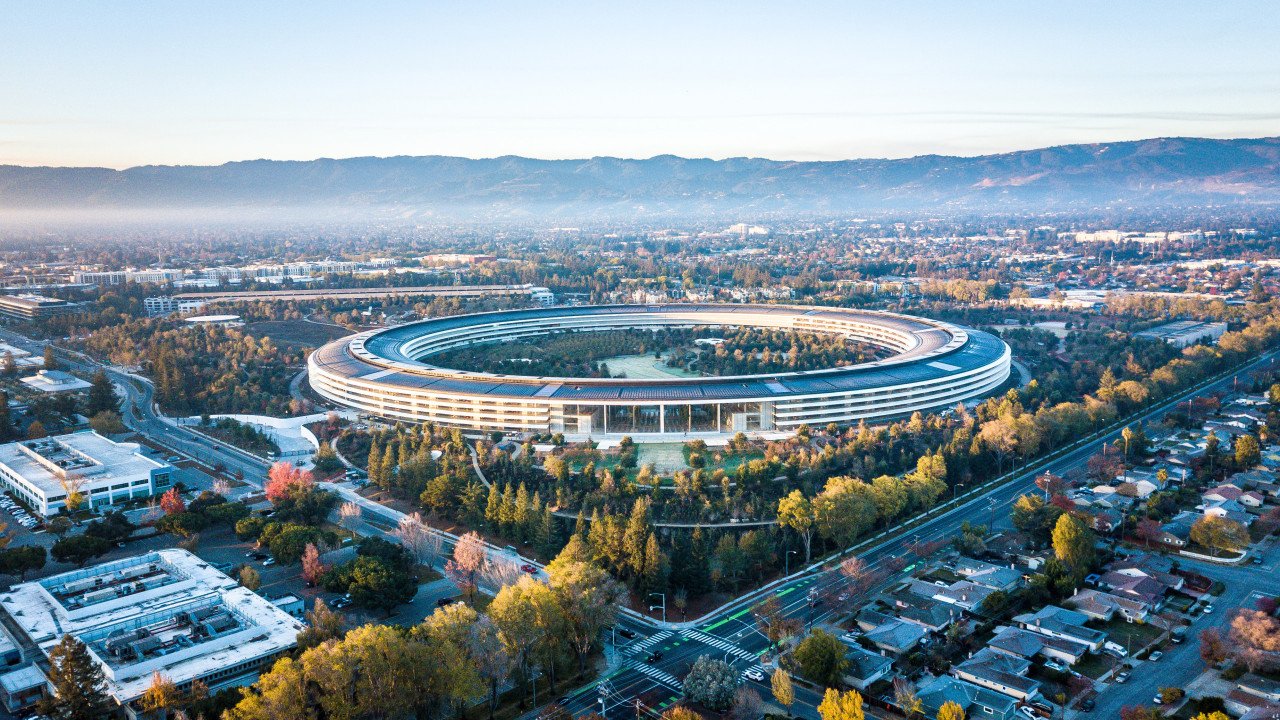
Designed by renowned architect Norman Foster, Apple Park is Apple Inc.’s futuristic corporate campus located in Cupertino. The centerpiece of the campus is the circular “spaceship” building, which houses more than 12,000 employees and is powered entirely by renewable energy sources. Visitors can explore the Apple Park Visitor Center, featuring an Apple Store, rooftop terrace, and interactive exhibits showcasing Apple’s history and innovations in consumer electronics.
Facebook Headquarters – Menlo Park
Situated in Menlo Park, Facebook’s headquarters is a hub of innovation and social connectivity. The campus, known as MPK20, features open office spaces, collaborative work areas, and amenities designed to promote employee well-being and creativity. Visitors can take guided tours to learn about Facebook’s mission to connect the world and its initiatives in virtual reality, artificial intelligence, and social media platforms.
Incubators of Innovation: Startup Culture in Silicon Valley
Stanford University – Palo Alto
Stanford University plays a pivotal role in Silicon Valley’s innovation ecosystem, serving as a breeding ground for entrepreneurial talent and groundbreaking research. The university’s proximity to venture capital firms, industry leaders, and tech startups fosters a culture of innovation and collaboration among students, faculty, and alumni. Stanford’s renowned programs in computer science, engineering, and business administration attract aspiring entrepreneurs and innovators from around the globe.
Y Combinator – Mountain View
Y Combinator is a prominent startup accelerator and venture capital firm based in Mountain View, known for nurturing early-stage startups and providing them with mentorship, funding, and resources to scale their businesses. Y Combinator’s portfolio includes successful startups such as Airbnb, Dropbox, and Stripe, which have revolutionized industries and reshaped the entrepreneurial landscape of Silicon Valley and beyond.
Cultural and Technological Impact
The Influence of Diversity and Inclusion
Silicon Valley’s success as a global innovation hub is partly attributed to its diverse and inclusive culture, which encourages creativity, collaboration, and problem-solving from diverse perspectives. Companies and organizations in the region prioritize diversity initiatives, mentorship programs, and community outreach to foster a more inclusive tech ecosystem and address systemic challenges related to equity and representation.
Sustainable Technology and Environmental Responsibility
In recent years, Silicon Valley has increasingly focused on developing sustainable technologies and promoting environmental responsibility. Tech companies are investing in renewable energy sources, energy-efficient technologies, and eco-friendly practices to minimize their carbon footprint and mitigate the environmental impact of digital innovation. Initiatives such as Google’s commitment to achieving carbon neutrality and Apple’s efforts to design products with recycled materials underscore Silicon Valley’s role in driving positive change through sustainable innovation.
Conclusion
Silicon Valley remains at the forefront of global innovation, where visionary thinkers and technological pioneers converge to shape the future of industries and societies worldwide. From the towering campuses of tech giants like Google and Apple to the bustling startup incubators of Mountain View and Palo Alto, Silicon Valley embodies the spirit of creativity, ambition, and relentless innovation that defines the digital age. As Silicon Valley continues to push the boundaries of technology and entrepreneurship, it serves as a beacon of inspiration and a testament to the transformative power of innovation in shaping a brighter tomorrow for generations to come. Explore Silicon Valley, where tomorrow is born, and witness firsthand the ingenuity and creativity that continue to drive progress and redefine what’s possible in the world of technology.
Northern California’s redwood forests stand as towering sentinels of natural beauty and ancient resilience. These majestic giants, among the oldest and tallest trees on Earth, draw visitors from around the globe to witness their awe-inspiring presence and immerse themselves in the serene landscapes they call home. From the tranquil groves of Humboldt County to the rugged coastline of Redwood National and State Parks, here’s a guide to exploring the breathtaking redwood forests of Northern California.
Introduction to Redwood Forests
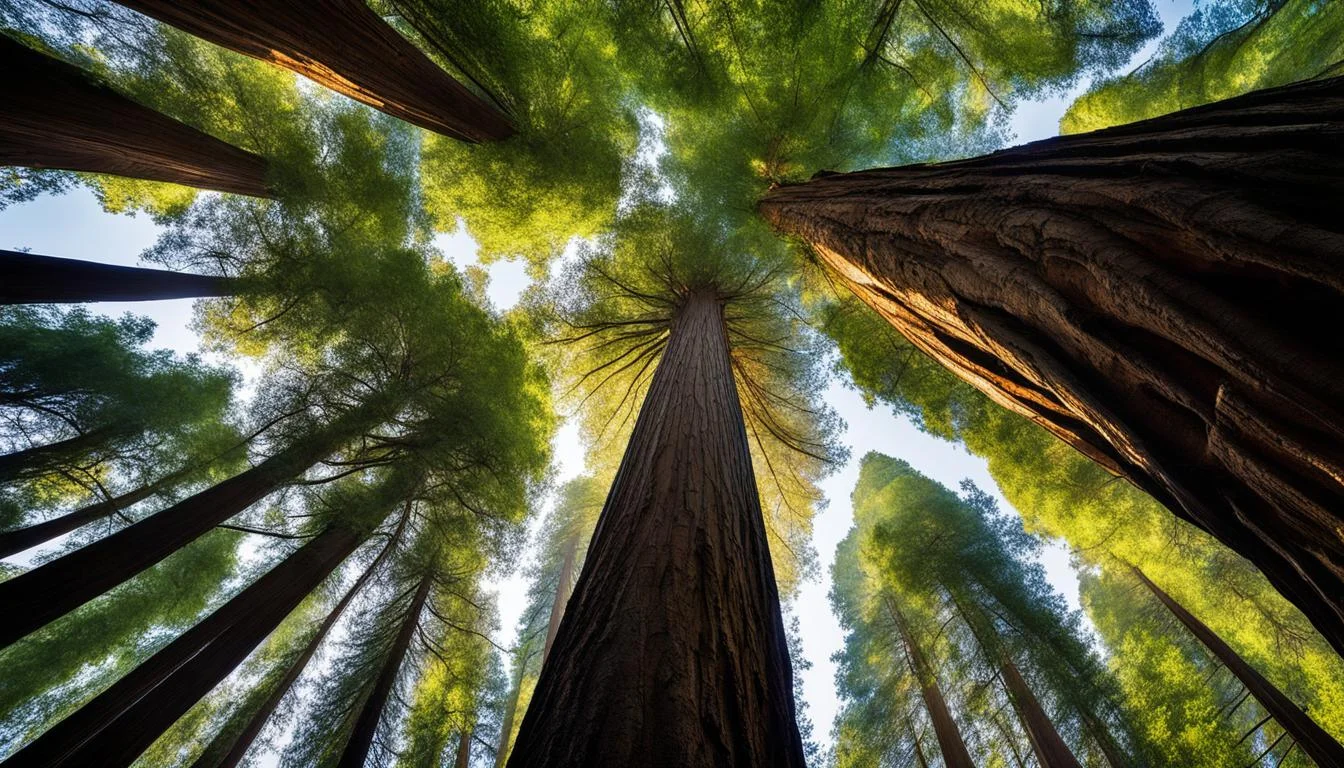
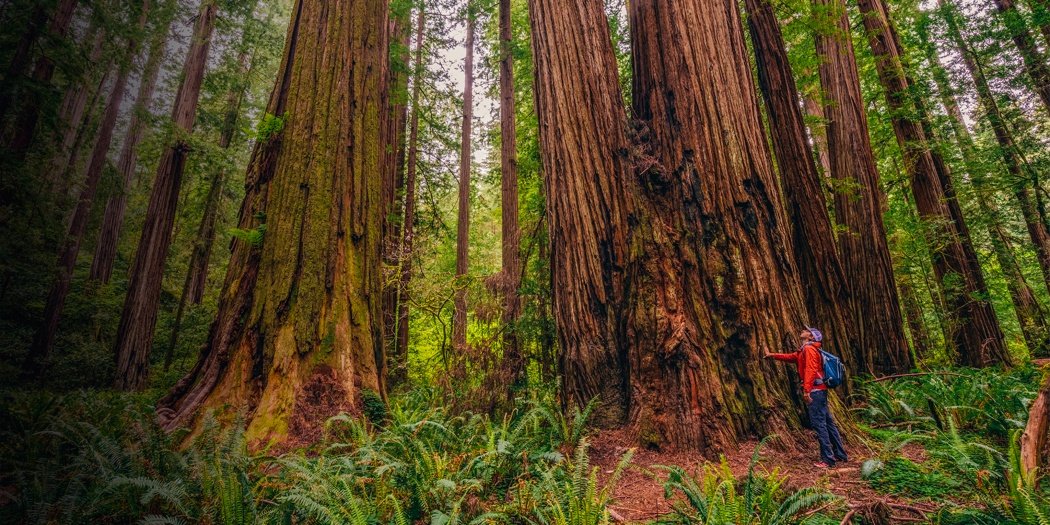
The redwood forests of Northern California are primarily dominated by two species: the Coastal Redwood (Sequoia sempervirens) and the Giant Sequoia (Sequoiadendron giganteum). Coastal redwoods, known for their towering heights reaching up to 380 feet, thrive along the fog-laden coastline from Big Sur to southern Oregon. Giant sequoias, found in the Sierra Nevada mountains, are renowned for their immense bulk and can live for over 3,000 years.
Where to Experience Redwood Forests
Redwood National and State Parks
Located along California’s rugged north coast, Redwood National and State Parks comprise a network of protected areas dedicated to preserving and showcasing these ancient forests. Highlights include:
Lady Bird Johnson Grove: A short loop trail offering a peaceful walk among towering redwoods, named in honor of the former First Lady’s conservation efforts.
Fern Canyon: A narrow gorge where walls are draped with lush ferns and surrounded by towering canyon walls adorned with cascading waterfalls.
Tall Trees Grove: Accessible via a permit system, this remote grove offers a glimpse of some of the tallest redwoods in the world, including the iconic “Tall Tree.”
Exploring the Majestic Redwood Forests of Northern California
Humboldt Redwoods State Park
Located south of Redwood National Park, Humboldt Redwoods State Park is home to the Avenue of the Giants, a scenic drive that winds through some of the largest remaining old-growth redwood forests in the world. Key attractions include:
Founders Grove: Featuring the Founders Tree, one of the tallest trees in the park, and informative displays about the park’s history and ecosystem.
Rockefeller Forest: The largest contiguous old-growth coastal redwood forest in the world, offering numerous hiking trails amidst towering trees and serene groves.
Jedediah Smith Redwoods State Park
Part of the Redwood National and State Parks system, Jedediah Smith Redwoods State Park is known for its lush groves of old-growth redwoods and pristine river corridors. Popular activities include:
Smith River: A designated Wild and Scenic River offering opportunities for kayaking, fishing, and scenic drives along the Smith River National Recreation Area.
Boy Scout Tree Trail: A moderate hiking trail leading through dense redwood forest and showcasing the majestic Boy Scout Tree.
Activities and Attractions
Hiking and Nature Walks
Northern California’s redwood forests offer a variety of hiking trails suitable for all skill levels, from easy nature walks to challenging backcountry treks. Popular trails include:
James Irvine Trail: Located in Prairie Creek Redwoods State Park, this trail leads through old-growth forest and fern-laden canyons to the breathtaking Fern Canyon.
Stout Memorial Grove Trail: A short loop trail near Crescent City that provides an introduction to the diverse flora and towering redwoods of Del Norte Coast Redwoods State Park.
Wildlife Viewing
Redwood forests are home to a rich diversity of wildlife, including Roosevelt elk, black bears, mountain lions, and numerous bird species. Wildlife enthusiasts can explore designated viewing areas or participate in guided tours to learn about the region’s natural inhabitants and their habitats.
Photography and Scenic Drives
Photographers flock to Northern California’s redwood forests to capture the ethereal beauty of sunlight filtering through towering trees, misty mornings, and vibrant foliage. Scenic drives along routes like the Avenue of the Giants offer numerous pullouts and viewpoints for capturing stunning landscapes and iconic redwood scenes.
Conservation and Sustainability
Preserving the fragile ecosystems of Northern California’s redwood forests is crucial for future generations. Conservation efforts focus on habitat restoration, sustainable forestry practices, and educating visitors about the importance of protecting these ancient forests from climate change and human impact.
Conclusion
Exploring the majestic redwood forests of Northern California is a journey into one of the Earth’s most awe-inspiring natural wonders. Whether you’re hiking among towering giants in Redwood National and State Parks, driving through the ancient groves of Humboldt Redwoods State Park, or capturing the beauty of Jedediah Smith Redwoods State Park, each experience offers a profound connection to nature and a deep appreciation for these ancient and resilient trees. Plan your visit to Northern California’s redwood forests and discover why these towering sentinels continue to inspire awe and reverence among all who venture into their peaceful and majestic realm.
Napa Valley, nestled in the heart of Northern California’s wine country, is renowned worldwide for its exceptional wines, picturesque vineyards, and luxurious wine-tasting experiences. Boasting a perfect blend of Mediterranean climate, fertile soil, and passionate winemakers, Napa Valley offers wine enthusiasts an unparalleled journey into the art and science of winemaking. Whether you’re a seasoned connoisseur or a curious novice, here’s everything you need to know about planning the ultimate wine-tasting adventure in Napa Valley.
Introduction to Napa Valley
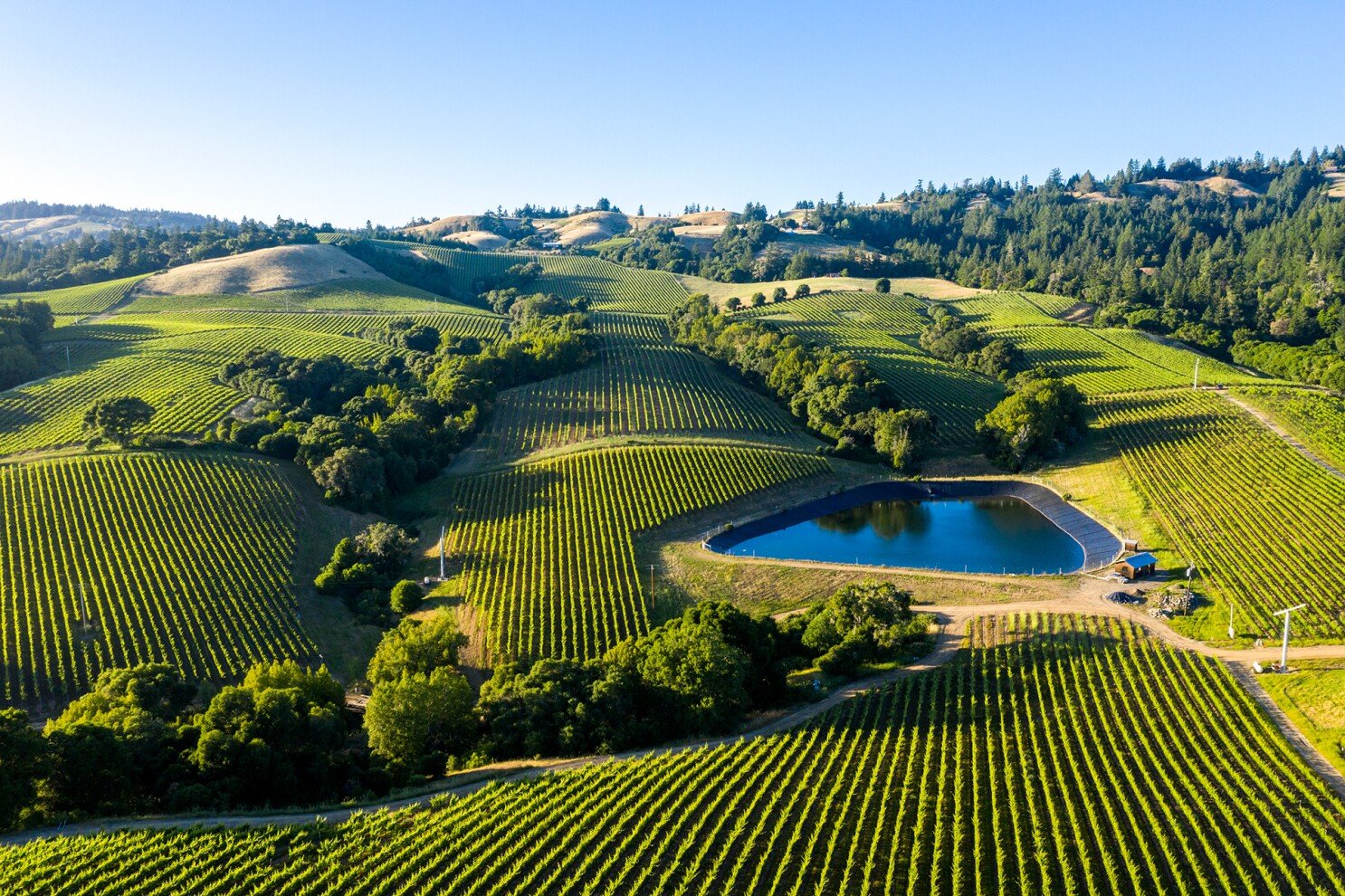
Situated just north of San Francisco, Napa Valley is a premier wine-producing region encompassing approximately 30 miles of scenic countryside dotted with over 400 wineries. The valley is divided into several distinct AVAs (American Viticultural Areas), each with its own microclimate and terroir that contribute to the unique characteristics of the wines produced there. From robust Cabernet Sauvignons to crisp Chardonnays and elegant Merlots, Napa Valley is celebrated for its diverse range of varietals and wine styles.
Planning Your Visit
Best Time to Visit
Napa Valley is a year-round destination, with each season offering a different experience:
Spring (March-May): Bud break season when vineyards come alive with new growth and wildflowers bloom.
Summer (June-August): Peak tourist season with warm, sunny days perfect for outdoor activities and events.
Fall (September-November): Harvest season, known as “crush,” when vineyards buzz with activity and grapes are harvested.
Winter (December-February): Quiet season with fewer crowds, ideal for cozy wine tastings by the fireplace.
How to Get There
Napa Valley is accessible by car from San Francisco (approximately 1.5 hours) or Sacramento (approximately 1 hour). The region is also served by regional airports, including Napa County Airport and Sonoma County Airport, with connections to major cities.
Wine Tasting in Napa Valley
Accommodations
Napa Valley offers a range of accommodations, from luxurious resorts and boutique hotels to charming bed-and-breakfast inns and vacation rentals. Popular areas to stay include downtown Napa, Yountville, St. Helena, and Calistoga, each offering its own unique charm and proximity to wineries.
Wine-Tasting Experiences
Iconic Wineries to Visit
Napa Valley is home to some of the most prestigious wineries in the world, each offering distinctive wines and memorable tasting experiences:
Robert Mondavi Winery: Known for its pioneering role in the development of Napa Valley wines, offering guided tours and tastings showcasing their renowned Cabernet Sauvignon and Fumé Blanc.
Opus One Winery: A joint venture between Robert Mondavi and Baron Philippe de Rothschild of Château Mouton Rothschild, known for its Bordeaux-style blends and architectural beauty.
Domaine Carneros: Specializes in sparkling wines and Pinot Noir, with a stunning chateau-style tasting room overlooking vineyards in the Carneros AVA.
Castello di Amorosa: A medieval-style castle winery offering guided tours and tastings of Italian-inspired wines within its impressive castle walls and underground cellars.
Wine Tasting Tours
Several companies offer guided wine tours and transportation services, allowing you to explore multiple wineries without the hassle of driving. Options include private tours, group tours, and specialized tours focusing on specific varietals or regions within Napa Valley.
Culinary Experiences
Pair your wine tastings with gourmet culinary experiences at Napa Valley’s acclaimed restaurants and eateries. Many wineries offer food and wine pairing experiences, farm-to-table dining, and cooking classes showcasing local ingredients and flavors.
Outdoor Activities
Beyond wine tasting, Napa Valley offers a wealth of outdoor activities and attractions:
Hot Air Balloon Rides: Experience breathtaking views of vineyards and rolling hills at sunrise with a hot air balloon ride over Napa Valley.
Biking and Hiking: Explore scenic trails and vineyard-lined roads by bike or on foot, with options ranging from leisurely strolls to challenging hikes in the nearby hills.
Spa and Wellness: Relax and rejuvenate with spa treatments, hot springs, and wellness retreats in Calistoga, known for its natural geothermal waters.
Sustainability and Wine Education
Many wineries in Napa Valley practice sustainable viticulture and winemaking practices, focusing on environmental stewardship and preserving the region’s natural beauty. Visitors can learn about these efforts through educational tours and tastings that highlight the importance of sustainability in wine production.
Conclusion
Napa Valley offers a captivating blend of world-class wines, breathtaking scenery, and luxurious experiences that make it a must-visit destination for wine enthusiasts and travelers alike. Whether you’re sampling award-winning Cabernet Sauvignon at a historic winery, indulging in gourmet cuisine overlooking vineyards, or exploring the natural beauty of the valley, Napa Valley promises an unforgettable journey into the art and culture of wine. Plan your wine-tasting adventure in Napa Valley and discover why it remains one of the most prestigious and beloved wine regions in the world.
Yosemite National Park, nestled in the Sierra Nevada Mountains of California, is a natural wonderland renowned for its towering granite cliffs, majestic waterfalls, ancient giant sequoias, and diverse ecosystems. Spanning over 1,100 square miles, Yosemite attracts millions of visitors each year who come to marvel at its stunning landscapes and immerse themselves in its rich natural and cultural history. Whether you’re a first-time visitor or a seasoned explorer, here’s a comprehensive guide to help you make the most of your journey through Yosemite National Park.
Getting There
Yosemite National Park is located in central California, approximately 200 miles east of San Francisco and 300 miles north of Los Angeles. The park has several entrances, but the most popular and accessible are:
Big Oak Flat Entrance: Located off Highway 120 from the west, near Groveland.
Arch Rock Entrance: Also off Highway 140 from the west, near Mariposa.
South Entrance: Accessible via Highway 41 from the south, near Fish Camp.
Tioga Pass Entrance: Located off Highway 120 from the east, near Lee Vining (open seasonally, typically from late spring through fall).
Each entrance provides access to different areas of the park, so choose based on your starting point and intended destinations within Yosemite.
Things to See and Do
Yosemite Valley
Yosemite Valley is the heart of the park and home to some of its most iconic landmarks, including:
El Capitan: A massive granite monolith popular with rock climbers and photographers.
Half Dome: A distinctive granite dome that attracts hikers seeking a challenging ascent to its summit.
Yosemite Falls: One of the tallest waterfalls in North America, comprised of Upper Yosemite Fall, Lower Yosemite Fall, and the Middle Cascades.
Visitors can explore the valley floor via hiking trails, bike paths, and scenic viewpoints like Tunnel View and Glacier Point, which offer breathtaking panoramic views of the valley and its famous landmarks.
Exploring Yosemite National Park: A Complete Guide
Mariposa Grove
Mariposa Grove is home to over 500 mature giant sequoias, including the famous Grizzly Giant and California Tunnel Tree. Visitors can explore the grove via a network of trails that wind through towering sequoias and lush forest scenery. The Mariposa Grove Welcome Plaza provides visitor information, exhibits on giant sequoias, and a shuttle stop for accessing the grove.
Glacier Point and Tunnel View
Glacier Point offers arguably the best panoramic views of Yosemite Valley, Half Dome, and Yosemite Falls. It is accessible by car (when the Glacier Point Road is open) or via hiking trails like the Four-Mile Trail. Nearby, Tunnel View provides a classic vista of El Capitan, Bridalveil Fall, and Half Dome framed by the natural tunnel-like formation of the valley.
Tuolumne Meadows
Located in the high country of Yosemite, Tuolumne Meadows is a pristine alpine landscape characterized by vast meadows, crystal-clear streams, and granite domes. Popular activities include hiking (such as the John Muir Trail and Pacific Crest Trail), rock climbing, fishing, and birdwatching. Tioga Road provides access to Tuolumne Meadows and is open seasonally during the summer months.
Hiking and Outdoor Activities
Yosemite offers a plethora of hiking trails ranging from easy strolls to challenging backcountry routes. Some popular hikes include:
Mist Trail: A scenic trek leading to Vernal Fall and Nevada Fall, with misty viewpoints along the way.
Yosemite Falls Trail: A steep climb to the top of Upper Yosemite Fall, offering spectacular views of the valley.
Half Dome Trail: A strenuous ascent to the summit of Half Dome (permits required), featuring the famous cable section for the final approach.
In addition to hiking, visitors can enjoy rock climbing, wildlife viewing, photography, rafting on the Merced River (seasonal), and ranger-led programs that provide insights into the park’s natural and cultural history.
Where to Stay
Yosemite National Park offers a range of lodging options, including:
Yosemite Valley Lodge: Located in the heart of Yosemite Valley, offering convenient access to trails and scenic viewpoints.
Ahwahnee Hotel: A historic landmark with luxurious accommodations and dining options.
Campgrounds: Several campgrounds are available throughout the park, including reservable sites in Yosemite Valley, Tuolumne Meadows, and Wawona.
It’s essential to make reservations well in advance, especially during peak seasons (spring through fall), as accommodations and campsites fill up quickly.
Practical Tips
Weather: Yosemite’s weather varies by season and elevation. Summers are warm with occasional afternoon thunderstorms, while winters bring snowfall to higher elevations.
Permits: Some activities, like hiking Half Dome or camping in the wilderness, require permits that may need to be reserved months in advance.
Safety: Respect wildlife and follow park regulations to ensure a safe and enjoyable visit. Carry plenty of water, wear sturdy footwear, and be prepared for changes in weather conditions.
Conclusion
Yosemite National Park offers a unique blend of natural beauty, outdoor adventure, and cultural heritage that captivates visitors from around the world. Whether you’re exploring the iconic landmarks of Yosemite Valley, discovering the ancient giants of Mariposa Grove, or hiking through the pristine wilderness of Tuolumne Meadows, Yosemite promises an unforgettable experience in the heart of California’s Sierra Nevada Mountains. Plan your visit to Yosemite National Park and embark on a journey of discovery amidst some of the most breathtaking scenery and diverse ecosystems that nature has to offer.
California’s coastline stretches over 800 miles along the Pacific Ocean, offering an array of beaches that cater to every beachgoer’s preference. From iconic sandy stretches bustling with activities to secluded coves with rugged cliffs and pristine waters, the Golden State boasts some of the most diverse and picturesque beaches in the world. Whether you’re planning a family vacation, a romantic getaway, or a solo adventure, here’s a comprehensive guide to the best beaches in California.
Santa Monica Beach
Located just west of downtown Los Angeles, Santa Monica Beach is a quintessential Southern California destination. This expansive sandy shore is famous for its lively atmosphere, making it ideal for sun-seekers and outdoor enthusiasts alike. The beach is anchored by the historic Santa Monica Pier, which features an amusement park, arcade games, and a trapeze school. Visitors can stroll along Ocean Avenue to explore trendy shops, cafes, and restaurants with ocean views.
Malibu Surfrider Beach
Malibu Surfrider Beach holds a special place in the hearts of surfers worldwide. Known as the “Surf Capital of the United States,” this beach boasts consistent waves that attract surfers of all levels, from beginners to seasoned pros. The backdrop of the Malibu Pier adds to the charm, offering panoramic views of the coastline and the Pacific Ocean. Beyond surfing, visitors can enjoy sunbathing on the sandy beach or exploring nearby hiking trails in the Santa Monica Mountains.
Laguna Beach
Nestled along the picturesque Orange County coastline, Laguna Beach is renowned for its artistic community, stunning coves, and crystal-clear waters. Main Beach, located in the heart of Laguna, is perfect for families with its gentle waves and tide pools teeming with marine life. Meanwhile, Thousand Steps Beach offers a more secluded experience, accessible by descending a staircase (which actually has closer to 300 steps) down the cliffside. The beach’s turquoise waters and dramatic cliffs make it a favorite spot for snorkeling, diving, and photography.
The Best Beaches in California
La Jolla Cove
In San Diego, La Jolla Cove stands out as one of California’s most picturesque beaches. This small, horseshoe-shaped cove is surrounded by cliffs and boasts calm waters ideal for swimming, snorkeling, and kayaking. The abundance of marine life, including colorful garibaldi fish and playful sea lions, makes it a popular destination for nature enthusiasts. Visitors can also explore nearby La Jolla caves or relax on the grassy park overlooking the cove, perfect for picnicking and watching the sunset.
Pfeiffer Beach
Located in Big Sur along the rugged Central Coast, Pfeiffer Beach is a hidden gem known for its unique purple sands and stunning rock formations. The beach is accessed via a narrow, winding road off Highway 1, adding to its secluded charm. Pfeiffer Beach offers breathtaking views of offshore sea stacks, including the iconic Keyhole Rock, which frames the setting sun during certain times of the year. While swimming is not recommended due to strong currents, the beach is perfect for photography, beachcombing, and simply soaking in the natural beauty.
Coronado Beach
Just across the bay from downtown San Diego, Coronado Beach is celebrated for its sparkling golden sands and iconic historic hotel, the Hotel del Coronado. The wide, flat beach is ideal for sunbathing, beach volleyball, and building sandcastles with the family. The nearby tide pools at the southern end of the beach offer opportunities for exploring marine life, while the gentle waves are perfect for swimming and bodyboarding. Coronado Beach’s stunning views of Point Loma and the Coronado Bridge make it a favorite spot for photographers and romantic sunset watchers.
Point Reyes National Seashore
For a rugged coastal experience in Northern California, Point Reyes National Seashore offers a dramatic landscape of rocky cliffs, secluded beaches, and sweeping ocean vistas. Limantour Beach, located within the seashore, features expansive sands perfect for beachcombing, birdwatching, and kite flying. The beach’s calm waters and gentle waves also make it a popular spot for picnicking and family gatherings. Nearby, the historic Point Reyes Lighthouse provides panoramic views of the Pacific Ocean and migrating whales during certain times of the year.
Huntington Beach
Known as “Surf City USA,” Huntington Beach attracts surfers and beach enthusiasts from around the world with its consistent waves and laid-back atmosphere. The beach’s iconic pier stretches 1,850 feet into the Pacific Ocean, offering panoramic views of the coastline and nearby Catalina Island. Beyond surfing, visitors can enjoy beach volleyball, cycling along the boardwalk, and exploring the vibrant downtown area with its shops, restaurants, and nightlife. Huntington Beach hosts numerous events throughout the year, including the annual U.S. Open of Surfing, which draws professional surfers and spectators alike.
Conclusion
California’s beaches offer a diverse tapestry of experiences, from the sun-drenched shores of Southern California to the rugged, untamed beauty of the Central and Northern coasts. Whether you’re seeking thrilling surf breaks, tranquil coves, or vibrant beachside communities, the Golden State delivers an unforgettable beach experience for every traveler. From iconic destinations like Santa Monica and Malibu to hidden gems like Pfeiffer Beach and Crystal Cove, each beach offers its own unique charm and opportunities for adventure. Whether you’re planning a family vacation, a romantic getaway, or a solo retreat, California’s beaches invite you to explore, relax, and immerse yourself in the natural beauty and coastal culture that define this iconic destination. So pack your sunscreen, grab your towel, and discover why California’s beaches are among the best in the world.
California’s history is a fascinating narrative of diverse cultures, transformative events, and pioneering spirits. From its indigenous roots to becoming the most populous state in the U.S., California’s heritage is as varied as its landscape. This article explores key periods and events that have shaped California’s unique historical identity.
Indigenous Heritage
Long before European explorers arrived, California was home to a diverse array of Native American tribes. These indigenous peoples, including the Chumash, Miwok, and Pomo, among others, developed complex societies with rich cultural traditions.
Tribal Societies
The indigenous tribes of California were known for their intricate basketry, diverse languages, and deep connection to the land. They practiced sustainable fishing, hunting, and agriculture, and lived in harmony with the natural environment. Each tribe had its own distinct cultural practices, social structures, and spiritual beliefs.
Spanish Colonization and Missions
The arrival of Spanish explorers in the 16th century marked the beginning of European influence in California. In 1769, Spanish Franciscan friar Junípero Serra founded the first of 21 missions along the California coast, starting with Mission San Diego de Alcalá.
The Mission System
The Spanish missions were established to spread Christianity among the Native American population and to solidify Spain’s territorial claims. These missions, stretching from San Diego to Sonoma, played a crucial role in the cultural and economic transformation of the region. While they introduced new agricultural practices and architectural styles, they also disrupted indigenous ways of life, leading to significant cultural and demographic changes.
Mexican Rule and the Rancho Era
In 1821, Mexico gained independence from Spain, and California became a Mexican territory. This period saw the secularization of the missions and the rise of the rancho system, where large land grants were given to Mexican settlers.
Rancho Culture
The rancho era was characterized by vast cattle ranches and a unique Californio culture that blended Spanish, Mexican, and indigenous influences. The economy was primarily based on cattle ranching and trade, with hides and tallow being major commodities. The architecture, music, and cuisine from this era still influence California’s cultural landscape today.
The California Gold Rush
The discovery of gold at Sutter’s Mill in 1848 sparked the California Gold Rush, one of the most significant events in the state’s history. This event attracted hundreds of thousands of people from around the world, dramatically increasing the population and leading to California’s rapid admission to the Union in 1850.
Economic and Demographic Impact
The Gold Rush transformed California’s economy and demographics. Cities like San Francisco grew rapidly, becoming bustling hubs of commerce and culture. The influx of diverse populations, including people from Latin America, Europe, China, and other parts of the world, created a multicultural society. However, this period also saw significant displacement and suffering among Native American populations.
Statehood and the Transcontinental Railroad
California’s admission to the Union in 1850 as the 31st state marked the beginning of its integration into the United States. The completion of the Transcontinental Railroad in 1869 further solidified California’s role in the national economy.
Economic Expansion
The railroad facilitated the movement of goods and people, linking California to the rest of the country. This period saw the growth of agriculture, industry, and urban development. The state’s fertile Central Valley became a major agricultural center, producing a wide variety of crops and contributing to California’s economic prosperity.
20th Century: Technological and Social Transformations
The 20th century brought significant technological and social changes to California, cementing its status as a cultural and economic powerhouse.
The Rise of Hollywood
The early 20th century saw the birth of the Hollywood film industry, which quickly became the entertainment capital of the world. Iconic studios like Universal, Warner Bros., and Paramount were established, and California became synonymous with movie-making magic.
Technological Innovation
The mid-20th century marked the beginning of California’s rise as a center for technological innovation. The development of Silicon Valley, home to tech giants like Hewlett-Packard, Apple, and Intel, positioned California at the forefront of the global technology industry. This region became a hub for research, development, and entrepreneurship, driving advancements in electronics, computing, and biotechnology.
Social Movements
California has been a focal point for various social and political movements. In the 1960s, San Francisco became the epicenter of the counterculture movement, symbolized by the Summer of Love and the rise of hippie culture. The state also played a crucial role in the civil rights movement, LGBTQ+ rights, and environmental activism. These movements have left an indelible mark on California’s social fabric, promoting values of equality, freedom, and environmental stewardship.
Contemporary California
Today, California is known for its economic dynamism, cultural diversity, and innovative spirit. The state’s economy is the largest in the United States and one of the largest in the world, driven by sectors such as technology, entertainment, agriculture, and tourism.
Cultural Diversity
California’s cultural diversity is reflected in its vibrant communities, festivals, and cuisine. Cities like Los Angeles, San Francisco, and San Diego are melting pots of cultures, offering a rich array of cultural experiences. The state celebrates its diversity through events like the Chinese New Year Parade in San Francisco, Día de los Muertos festivities, and numerous cultural festivals that highlight its multicultural heritage.
Environmental Leadership
California is also a leader in environmental conservation and sustainability. The state has implemented ambitious policies to combat climate change, promote renewable energy, and protect its natural resources. Efforts such as the California Clean Air Act, the promotion of electric vehicles, and the preservation of national parks and wilderness areas demonstrate California’s commitment to environmental stewardship.
Conclusion
California’s history and heritage are a rich tapestry of indigenous cultures, European colonization, economic booms, and social transformations. From the ancient traditions of Native American tribes to the modern technological marvels of Silicon Valley, California’s past and present are deeply interconnected. As the state continues to evolve, its diverse heritage remains a cornerstone of its identity, shaping its future as a beacon of innovation, culture, and progress.
California, often regarded as the entertainment capital of the world, offers a rich tapestry of cultural experiences and attractions. From the glitz and glamour of Hollywood to vibrant music festivals and diverse culinary scenes, California’s cultural and entertainment landscape is as dynamic as it is diverse. This article delves into the key aspects that make California a cultural and entertainment powerhouse.
Hollywood: The Epicenter of Entertainment
Hollywood, located in Los Angeles, is synonymous with the global entertainment industry. It is the birthplace of the American film industry and continues to be a major center for film and television production.
The Film Industry
Hollywood is home to major film studios like Warner Bros., Universal Pictures, Paramount Pictures, and 20th Century Studios. These studios produce a significant portion of the world’s movies, attracting top talent from around the globe. The Hollywood Walk of Fame, with its iconic stars embedded in the sidewalks, honors notable figures in the entertainment industry, while the TCL Chinese Theatre hosts glamorous premieres and events.
The annual Academy Awards, or Oscars, held in Hollywood, celebrate outstanding achievements in film, bringing together the biggest names in the industry. Other significant film festivals, such as the Sundance Film Festival and the Los Angeles Film Festival, further cement California’s status as a hub for cinematic excellence.
Television and Streaming
In addition to its film industry, Hollywood is a leading force in television production. Major networks like NBC, ABC, and CBS, along with numerous production companies, are headquartered in Los Angeles. The rise of streaming services such as Netflix, Hulu, and Disney+ has further revolutionized the industry, with many of these companies choosing California as their base of operations.
Music and Performing Arts
California’s music scene is vibrant and diverse, encompassing a wide range of genres and styles. The state’s rich musical heritage and numerous live music venues make it a prime destination for music lovers.
Music Festivals
California hosts some of the world’s most renowned music festivals, drawing fans and artists from across the globe. Coachella Valley Music and Arts Festival, held annually in Indio, is one of the most famous festivals, featuring a diverse lineup of artists across various genres. Other notable festivals include Outside Lands in San Francisco, Stagecoach in Indio, and the Monterey Jazz Festival, the longest-running jazz festival in the world.
Historic Venues
Iconic music venues such as the Hollywood Bowl, The Fillmore in San Francisco, and the Greek Theatre in Los Angeles have hosted legendary performances by some of the greatest musicians of all time. These venues continue to be popular destinations for live music, offering unforgettable experiences for concert-goers.
Performing Arts
California’s performing arts scene is equally impressive, with world-class theaters, ballet companies, and symphonies. The San Francisco Opera, Los Angeles Philharmonic, and American Conservatory Theater are just a few examples of the state’s prestigious performing arts institutions. Broadway shows frequently tour California, and the state’s numerous theaters host a wide range of performances, from classical plays to contemporary works.
Culinary Scene
California’s culinary scene is a reflection of its diverse population and rich agricultural resources. The state’s farm-to-table movement, emphasis on fresh ingredients, and cultural influences from around the world create a unique and dynamic dining experience.
Farm-to-Table Movement
California’s fertile land and favorable climate make it an agricultural powerhouse, producing a significant portion of the nation’s fruits, vegetables, and nuts. The farm-to-table movement, which emphasizes locally sourced and sustainable ingredients, has thrived in California. Farmers’ markets are abundant, and many restaurants pride themselves on using fresh, seasonal produce.
Wine Country
California is renowned for its wine industry, with regions like Napa Valley and Sonoma County producing some of the world’s finest wines. Wine tasting tours, vineyard visits, and culinary festivals attract wine enthusiasts and tourists, showcasing the state’s rich viticultural heritage.
Diverse Cuisine
California’s culinary diversity is unparalleled, with influences from Mexican, Asian, Italian, and many other cuisines. Cities like Los Angeles, San Francisco, and San Diego offer a plethora of dining options, from high-end gourmet restaurants to beloved food trucks. The state’s proximity to the Pacific Ocean also ensures a steady supply of fresh seafood, contributing to its vibrant food culture.
Art and Museums
California is home to a wide array of art galleries, museums, and cultural institutions that celebrate both contemporary and historical art.
Major Art Museums
The Getty Center in Los Angeles, with its stunning architecture and extensive art collection, is one of the most visited museums in the country. The San Francisco Museum of Modern Art (SFMOMA) houses an impressive collection of contemporary art, while the Los Angeles County Museum of Art (LACMA) offers diverse exhibits ranging from ancient artifacts to modern masterpieces.
Street Art and Public Art Installations
California’s cities are adorned with vibrant street art and public art installations. Los Angeles, in particular, is known for its murals and graffiti art, with neighborhoods like the Arts District showcasing works by both local and international artists. San Francisco’s Mission District is another hotspot for colorful murals that reflect the community’s cultural and political history.
Festivals and Cultural Events
California’s calendar is filled with festivals and cultural events that celebrate its diverse population and rich cultural heritage.
Cultural Festivals
California hosts a wide range of cultural festivals that highlight its diverse communities. The Chinese New Year Parade in San Francisco, the Mexican Independence Day celebration in Los Angeles, and the San Diego Pride Festival are just a few examples of events that bring people together to celebrate their heritage and traditions.
Film and Art Festivals
In addition to its music festivals, California hosts numerous film and art festivals. The Palm Springs International Film Festival, the San Diego International Film Festival, and the Santa Barbara International Film Festival are important events that showcase new and independent films. The Laguna Beach Festival of Arts and the Art Walks in various cities provide platforms for artists to exhibit their work and engage with the public.
Conclusion
California’s cultural and entertainment landscape is a dynamic and diverse tapestry that reflects the state’s rich history and vibrant communities. From the glitz and glamour of Hollywood to the eclectic music festivals and diverse culinary scene, California offers something for everyone. Its world-class museums, historic venues, and cultural festivals further cement its status as a cultural powerhouse. As California continues to evolve, it remains a beacon of creativity and innovation, captivating audiences and visitors from around the world.
California: A Cultural and Entertainment Powerhouse
California, often regarded as the entertainment capital of the world, offers a rich tapestry of cultural experiences and attractions. From the glitz and glamour of Hollywood to vibrant music festivals and diverse culinary scenes, California’s cultural and entertainment landscape is as dynamic as it is diverse. This article delves into the key aspects that make California a cultural and entertainment powerhouse.
Hollywood: The Epicenter of Entertainment
Hollywood, located in Los Angeles, is synonymous with the global entertainment industry. It is the birthplace of the American film industry and continues to be a major center for film and television production.
The Film Industry
Hollywood is home to major film studios like Warner Bros., Universal Pictures, Paramount Pictures, and 20th Century Studios. These studios produce a significant portion of the world’s movies, attracting top talent from around the globe. The Hollywood Walk of Fame, with its iconic stars embedded in the sidewalks, honors notable figures in the entertainment industry, while the TCL Chinese Theatre hosts glamorous premieres and events.
The annual Academy Awards, or Oscars, held in Hollywood, celebrate outstanding achievements in film, bringing together the biggest names in the industry. Other significant film festivals, such as the Sundance Film Festival and the Los Angeles Film Festival, further cement California’s status as a hub for cinematic excellence.
Television and Streaming
In addition to its film industry, Hollywood is a leading force in television production. Major networks like NBC, ABC, and CBS, along with numerous production companies, are headquartered in Los Angeles. The rise of streaming services such as Netflix, Hulu, and Disney+ has further revolutionized the industry, with many of these companies choosing California as their base of operations.
Music and Performing Arts
California’s music scene is vibrant and diverse, encompassing a wide range of genres and styles. The state’s rich musical heritage and numerous live music venues make it a prime destination for music lovers.
Music Festivals
California hosts some of the world’s most renowned music festivals, drawing fans and artists from across the globe. Coachella Valley Music and Arts Festival, held annually in Indio, is one of the most famous festivals, featuring a diverse lineup of artists across various genres. Other notable festivals include Outside Lands in San Francisco, Stagecoach in Indio, and the Monterey Jazz Festival, the longest-running jazz festival in the world.
Historic Venues
Iconic music venues such as the Hollywood Bowl, The Fillmore in San Francisco, and the Greek Theatre in Los Angeles have hosted legendary performances by some of the greatest musicians of all time. These venues continue to be popular destinations for live music, offering unforgettable experiences for concert-goers.
Performing Arts
California’s performing arts scene is equally impressive, with world-class theaters, ballet companies, and symphonies. The San Francisco Opera, Los Angeles Philharmonic, and American Conservatory Theater are just a few examples of the state’s prestigious performing arts institutions. Broadway shows frequently tour California, and the state’s numerous theaters host a wide range of performances, from classical plays to contemporary works.
Culinary Scene
California’s culinary scene is a reflection of its diverse population and rich agricultural resources. The state’s farm-to-table movement, emphasis on fresh ingredients, and cultural influences from around the world create a unique and dynamic dining experience.
Farm-to-Table Movement
California’s fertile land and favorable climate make it an agricultural powerhouse, producing a significant portion of the nation’s fruits, vegetables, and nuts. The farm-to-table movement, which emphasizes locally sourced and sustainable ingredients, has thrived in California. Farmers’ markets are abundant, and many restaurants pride themselves on using fresh, seasonal produce.
Wine Country
California is renowned for its wine industry, with regions like Napa Valley and Sonoma County producing some of the world’s finest wines. Wine tasting tours, vineyard visits, and culinary festivals attract wine enthusiasts and tourists, showcasing the state’s rich viticultural heritage.
Diverse Cuisine
California’s culinary diversity is unparalleled, with influences from Mexican, Asian, Italian, and many other cuisines. Cities like Los Angeles, San Francisco, and San Diego offer a plethora of dining options, from high-end gourmet restaurants to beloved food trucks. The state’s proximity to the Pacific Ocean also ensures a steady supply of fresh seafood, contributing to its vibrant food culture.
Art and Museums
California is home to a wide array of art galleries, museums, and cultural institutions that celebrate both contemporary and historical art.
Major Art Museums
The Getty Center in Los Angeles, with its stunning architecture and extensive art collection, is one of the most visited museums in the country. The San Francisco Museum of Modern Art (SFMOMA) houses an impressive collection of contemporary art, while the Los Angeles County Museum of Art (LACMA) offers diverse exhibits ranging from ancient artifacts to modern masterpieces.
Street Art and Public Art Installations
California’s cities are adorned with vibrant street art and public art installations. Los Angeles, in particular, is known for its murals and graffiti art, with neighborhoods like the Arts District showcasing works by both local and international artists. San Francisco’s Mission District is another hotspot for colorful murals that reflect the community’s cultural and political history.
Festivals and Cultural Events
California’s calendar is filled with festivals and cultural events that celebrate its diverse population and rich cultural heritage.
Cultural Festivals
California hosts a wide range of cultural festivals that highlight its diverse communities. The Chinese New Year Parade in San Francisco, the Mexican Independence Day celebration in Los Angeles, and the San Diego Pride Festival are just a few examples of events that bring people together to celebrate their heritage and traditions.
Film and Art Festivals
In addition to its music festivals, California hosts numerous film and art festivals. The Palm Springs International Film Festival, the San Diego International Film Festival, and the Santa Barbara International Film Festival are important events that showcase new and independent films. The Laguna Beach Festival of Arts and the Art Walks in various cities provide platforms for artists to exhibit their work and engage with the public.
Conclusion
California’s cultural and entertainment landscape is a dynamic and diverse tapestry that reflects the state’s rich history and vibrant communities. From the glitz and glamour of Hollywood to the eclectic music festivals and diverse culinary scene, California offers something for everyone. Its world-class museums, historic venues, and cultural festivals further cement its status as a cultural powerhouse. As California continues to evolve, it remains a beacon of creativity and innovation, captivating audiences and visitors from around the world.
California, often regarded as a global center for education and innovation, is home to some of the world’s most prestigious universities and research institutions. The state’s emphasis on higher education, cutting-edge research, and entrepreneurial spirit has positioned it as a leader in technological advancements and scientific discoveries. This article explores the key aspects that make California a hub of education and innovation.
California Education
Prestigious Universities and Colleges
California boasts a network of world-renowned universities and colleges that offer top-tier education and foster a culture of excellence and innovation. These institutions attract students and scholars from around the globe, contributing to a vibrant academic environment.
Stanford University
Located in the heart of Silicon Valley, Stanford University is synonymous with innovation and entrepreneurship. Founded in 1885, Stanford has produced a plethora of successful entrepreneurs, including the founders of Google, Yahoo, and Hewlett-Packard. The university’s strong emphasis on interdisciplinary research and collaboration has led to groundbreaking advancements in fields such as computer science, engineering, medicine, and business.
University of California System
The University of California (UC) system, comprising 10 campuses across the state, is a pillar of higher education in California. Notable campuses include UC Berkeley, UCLA, and UC San Diego. The UC system is renowned for its rigorous academic programs, cutting-edge research, and commitment to public service.
UC Berkeley: Known for its strong emphasis on research and social activism, UC Berkeley has been at the forefront of numerous scientific and social movements. It is a leader in fields such as environmental science, engineering, and public policy.
UCLA: With a diverse student body and a wide range of academic programs, UCLA excels in areas such as the arts, humanities, social sciences, and health sciences.
UC San Diego: Renowned for its contributions to the life sciences, oceanography, and engineering, UC San Diego is home to the prestigious Scripps Institution of Oceanography and the Qualcomm Institute.
California Institute of Technology (Caltech)
Caltech, located in Pasadena, is a small but highly influential institution known for its rigorous focus on science and engineering. With a strong emphasis on research, Caltech has made significant contributions to fields such as astrophysics, quantum mechanics, and aerospace engineering. The Jet Propulsion Laboratory (JPL), managed by Caltech, plays a crucial role in space exploration and planetary science.
Research Institutions and Innovation Hubs
California’s research institutions are at the forefront of scientific discovery and technological innovation. These institutions attract top talent and foster an environment of creativity and exploration.
Scripps Research
Scripps Research, headquartered in La Jolla, is one of the largest private, non-profit research organizations in the world. It is renowned for its groundbreaking research in biomedical science, chemistry, and biology. Scripps scientists have made significant contributions to understanding diseases, developing new therapies, and advancing biomedical technology.
Lawrence Berkeley National Laboratory
Managed by the University of California, Lawrence Berkeley National Laboratory (Berkeley Lab) is a multi-disciplinary research facility that addresses some of the world’s most pressing scientific challenges. Berkeley Lab’s research areas include renewable energy, climate change, materials science, and computational biology. The lab’s innovative work has led to numerous technological advancements and practical applications.
Silicon Valley
Silicon Valley, located in the San Francisco Bay Area, is the epicenter of technological innovation. Home to major tech companies such as Google, Apple, Facebook (Meta), and numerous startups, Silicon Valley thrives on a culture of entrepreneurship and cutting-edge research. The region’s proximity to leading universities like Stanford and UC Berkeley fosters collaboration between academia and industry, driving technological advancements and economic growth.
San Diego Biotech Cluster
San Diego is a leading hub for biotechnology and life sciences, with a dense concentration of biotech companies, research institutions, and academic centers. The region’s innovation ecosystem is supported by institutions such as the Salk Institute for Biological Studies, the Sanford Burnham Prebys Medical Discovery Institute, and the University of California, San Diego (UCSD). San Diego’s biotech cluster is known for its contributions to medical research, drug development, and genomics.
Educational Initiatives and STEM Programs
California places a strong emphasis on education at all levels, with a particular focus on Science, Technology, Engineering, and Mathematics (STEM) programs. Initiatives aimed at improving STEM education and preparing students for careers in technology and science are prevalent throughout the state.
Charter Schools and K-12 Education
California has a robust network of charter schools that offer specialized curricula and innovative teaching methods. These schools often focus on STEM education, providing students with early exposure to science and technology. The state’s public school system also emphasizes STEM education, with programs designed to engage students in hands-on learning and critical thinking.
Higher Education Initiatives
California’s higher education institutions offer numerous programs and initiatives aimed at fostering innovation and preparing students for the workforce. Programs such as the University of California’s Innovation and Entrepreneurship initiative support startups and entrepreneurial ventures, providing resources and mentorship to aspiring entrepreneurs. Additionally, partnerships between universities and industry leaders create opportunities for students to gain practical experience and collaborate on cutting-edge projects.
Conclusion
California’s reputation as a hub of education and innovation is well-deserved, thanks to its world-class universities, cutting-edge research institutions, and thriving innovation ecosystems. The state’s commitment to fostering a culture of excellence in education and research has positioned it as a global leader in technological advancements and scientific discoveries. As California continues to invest in education and innovation, it will undoubtedly remain at the forefront of progress and continue to shape the future of technology, science, and industry.
California boasts the largest and most diverse economy of any U.S. state, reflecting its role as a global economic powerhouse. The state’s economy is driven by several key sectors, including technology, agriculture, entertainment, tourism, and trade. This article explores the significant economic drivers in California, with a focus on the technology sector, particularly Silicon Valley, and its major tech companies such as Google, Apple, and Facebook.
Technology: Silicon Valley and Major Tech Companies
Silicon Valley, located in the southern part of the San Francisco Bay Area, is synonymous with technological innovation and entrepreneurship. It is the heart of the global technology industry and home to some of the world’s most influential tech companies. The region’s name originated from the silicon chip, a critical component of modern electronics, and has become a symbol of cutting-edge technological advancement.
Economy And Industry in California
Google
Founded in 1998 by Larry Page and Sergey Brin while they were Ph.D. students at Stanford University, Google has grown from a search engine to a multinational conglomerate known as Alphabet Inc. Google is headquartered in Mountain View, California, and has become a central player in numerous technology sectors, including search, advertising, cloud computing, artificial intelligence, and hardware.
Google’s search engine dominates the global market, processing billions of queries each day. Its advertising platform, Google Ads, is a major revenue generator, leveraging data analytics to deliver targeted advertisements. Beyond search and ads, Google has expanded into areas such as:
Google Cloud: Providing cloud computing services and infrastructure.
Android: Operating system for mobile devices.
YouTube: The leading video-sharing platform.
Waymo: A subsidiary focused on autonomous driving technology.
Apple
Apple Inc., headquartered in Cupertino, California, is one of the most valuable and recognizable companies in the world. Founded in 1976 by Steve Jobs, Steve Wozniak, and Ronald Wayne, Apple revolutionized personal computing with the Apple II and Macintosh. The company experienced a resurgence with the introduction of iconic products like the iPod, iPhone, iPad, and MacBook.
Apple’s influence extends across various technology domains:
Consumer Electronics: iPhone, iPad, Mac, Apple Watch, and Apple TV.
Software: macOS, iOS, watchOS, and services like the App Store, iCloud, Apple Music, and Apple Pay.
Retail: Apple Stores worldwide, which are known for their design and customer service.
Apple’s focus on design, user experience, and integration of hardware and software has set industry standards and cultivated a loyal customer base.
Facebook (Meta Platforms)
Founded in 2004 by Mark Zuckerberg and his college roommates at Harvard University, Facebook has grown into one of the largest social media platforms globally. The company, now known as Meta Platforms, is headquartered in Menlo Park, California, and has expanded its reach beyond social networking.
Meta’s core services and products include:
Facebook: The flagship social networking site connecting billions of users.
Instagram: A photo and video-sharing platform acquired in 2012.
WhatsApp: A widely used messaging app acquired in 2014.
Oculus: A subsidiary focused on virtual reality (VR) and augmented reality (AR) technologies.
Meta’s vision of the “metaverse,” a virtual shared space combining physical and digital realities, represents its future direction and commitment to innovation in social interaction, gaming, and digital commerce.
Agriculture
California’s agricultural sector is another cornerstone of its economy. The Central Valley, often referred to as the nation’s fruit and vegetable basket, produces a significant portion of the country’s fruits, vegetables, nuts, and dairy products. Key crops include almonds, grapes, citrus, and strawberries. The state’s favorable climate, fertile soil, and advanced agricultural techniques contribute to its productivity. California’s wine industry, centered in Napa Valley and Sonoma County, is internationally renowned, producing some of the world’s finest wines and attracting millions of tourists annually.
Entertainment
The entertainment industry, centered in Hollywood, is a major economic force in California. The state is home to the major film studios, television networks, and music companies that produce content consumed worldwide. The film industry alone generates billions of dollars in revenue each year, supporting a vast network of actors, directors, writers, technicians, and support staff. Major entertainment companies like Disney, Warner Bros., and Universal have their headquarters or significant operations in California, further cementing the state’s position as the global entertainment capital.
Tourism
Tourism is a vital part of California’s economy, drawing millions of visitors from around the world. Iconic destinations such as Disneyland, Universal Studios Hollywood, and the Golden Gate Bridge attract tourists year-round. Natural attractions like Yosemite National Park, Big Sur, and the beaches of Southern California also contribute significantly to the state’s tourism revenue. The state’s diverse culture, excellent climate, and numerous attractions make it a top travel destination.
Trade and Ports
California’s strategic location on the Pacific coast makes it a crucial hub for international trade. The state’s ports, particularly the Port of Los Angeles and the Port of Long Beach, are among the busiest in the world, handling a significant portion of the country’s imports and exports. These ports facilitate the movement of goods between the United States and Asia, playing a vital role in global trade networks. The logistics and transportation industries that support these ports are essential to California’s economy, providing jobs and contributing to economic growth.
Conclusion
California’s economy is a dynamic and multifaceted powerhouse, driven by its technological innovation, agricultural productivity, entertainment industry, tourism appeal, and strategic trade location. The state’s ability to adapt and innovate has ensured its continued growth and influence on both national and global scales. As California continues to evolve, it remains a beacon of opportunity and progress, embodying the spirit of the American dream.