Category: California

  • Gold Rush Magic: Reliving California’s Historic Mining Towns

    Gold Rush Magic: Reliving California’s Historic Mining Towns

    The California Gold Rush, which began in 1848, was a pivotal event that shaped the history and development of the American West. This period of fervent gold prospecting drew hundreds of thousands of people to California, forever transforming the state’s landscape, economy, and culture. Today, the remnants of this golden era can be explored in California’s historic mining towns. These towns, once bustling with activity and promise, now offer a fascinating glimpse into the past, allowing visitors to relive the magic of the Gold Rush. This blog post takes you on a journey through some of California’s most iconic mining towns, highlighting their history, attractions, and enduring charm.

    The Origins of the Gold Rush

    The discovery of gold at Sutter’s Mill in Coloma by James W. Marshall in January 1848 set off a global frenzy. News of the discovery spread quickly, attracting fortune seekers from around the world. Known as “forty-niners,” these gold-seekers flocked to California in hopes of striking it rich. The influx of people led to the rapid growth of mining camps and towns, many of which sprung up almost overnight.

    The Gold Rush not only brought immense wealth to some but also had significant social and cultural impacts. It accelerated California’s admission to the Union as the 31st state in 1850 and brought together a diverse population, including immigrants from China, Europe, and Latin America, each contributing their own cultural influences to the burgeoning state.

    Gold Rush Magic: Reliving California's Historic Mining Towns
    Gold Rush Magic: Reliving California’s Historic Mining Towns

    Coloma: The Birthplace of the Gold Rush

    Coloma, located in the heart of the Sierra Nevada foothills, is where the Gold Rush began. Today, it’s a well-preserved historic town that offers visitors a chance to step back in time. The centerpiece of Coloma is Marshall Gold Discovery State Historic Park, where the original discovery site is marked. The park features a museum, replicas of the original sawmill, and various exhibits that tell the story of the Gold Rush.

    Visitors can pan for gold in the American River, just as the original prospectors did, and explore the park’s hiking trails that offer stunning views of the surrounding countryside. Coloma’s charming streets are lined with historic buildings, including the Coloma Schoolhouse, the James Marshall Monument, and the Sierra Nevada House, which provide a tangible connection to the past.

    Nevada City: A Gold Rush Gem

    Nevada City, once one of the wealthiest towns in California during the Gold Rush, is a beautifully preserved historic town that exudes 19th-century charm. Nestled in the Sierra Nevada mountains, Nevada City’s streets are lined with well-preserved Victorian buildings, many of which house boutique shops, art galleries, and restaurants.

    The Nevada Theatre, California’s oldest continuously operating theater, still hosts performances and offers a glimpse into the cultural life of the Gold Rush era. The town’s historic district is a delight to explore, with landmarks such as the National Hotel, Firehouse No. 1 Museum, and the Nevada City Winery.

    Every year, Nevada City hosts the Victorian Christmas, a festive event that transforms the town into a winter wonderland with carolers, horse-drawn carriages, and vendors selling holiday treats and crafts. It’s a magical experience that brings the spirit of the Gold Rush to life.

    Grass Valley: A Tale of Two Mines

    Just a few miles from Nevada City lies Grass Valley, another historic mining town with a rich Gold Rush heritage. Grass Valley is home to two of the most famous mines in California: the Empire Mine and the North Star Mine. The Empire Mine State Historic Park offers guided tours of the mine, including the impressive grounds, the mineyard, and the restored Bourn Cottage, the mine owner’s estate.

    The North Star Mining Museum, located in the original powerhouse of the North Star Mine, features exhibits on mining technology and artifacts from the Gold Rush era. Visitors can also explore the town’s historic downtown area, which boasts a variety of shops, eateries, and historic buildings.

    Grass Valley’s Cornish heritage is celebrated with events such as the annual Cornish Christmas, which features traditional music, dancing, and food, reflecting the influence of the Cornish miners who played a significant role in the town’s history.

    Auburn: Gateway to the Gold Country

    Auburn, often referred to as the “Gateway to the Gold Country,” is another must-visit historic mining town. Located along the historic route of the Central Pacific Railroad, Auburn played a crucial role in the transportation of gold and supplies during the Gold Rush. Today, it’s a vibrant community with a rich history and a wealth of attractions.

    The Auburn State Recreation Area offers outdoor enthusiasts opportunities for hiking, fishing, and rafting, while the town’s historic district is home to landmarks such as the Placer County Courthouse, the Gold Rush Museum, and the Bernhard Museum Complex. Visitors can stroll through Old Town Auburn, where historic buildings house a variety of shops, restaurants, and galleries.

    Auburn’s annual Gold Rush Days festival celebrates the town’s heritage with live music, reenactments, and family-friendly activities, bringing the spirit of the Gold Rush to life for residents and visitors alike.

    Jamestown: The Heart of the Mother Lode

    Jamestown, located in the heart of California’s Mother Lode region, is a historic mining town that offers a unique blend of history and modern attractions. The town is best known for Railtown 1897 State Historic Park, which preserves the Sierra Railway and its historic locomotives. Visitors can take a ride on a vintage steam train and explore the park’s exhibits and roundhouse.

    Jamestown’s Main Street is lined with historic buildings, antique shops, and restaurants, providing a charming backdrop for a leisurely stroll. The town’s history is also celebrated at the Jamestown Gold Rush Experience, where visitors can try their hand at gold panning and learn about the techniques used by the original prospectors.

    Conclusion

    California’s historic mining towns offer a fascinating glimpse into the state’s Gold Rush past. From the birthplace of the Gold Rush in Coloma to the charming streets of Nevada City and the historic mines of Grass Valley, these towns are living monuments to a bygone era. Visiting these towns allows you to step back in time, explore well-preserved historic sites, and experience the enduring magic of the Gold Rush.


  • The Role of California in the Space Industry

    The Role of California in the Space Industry

    California has played a pivotal role in the space industry. From the early days of aerospace innovation to the modern era of commercial space travel, the state has been at the forefront of space exploration. Major companies and institutions based in California have significantly contributed to advancements in satellite technology, rocket development, and space missions.

    The Role of California in the Space Industry
    The Role of California in the Space Industry


    Historical Contributions

    California’s role in the space industry began in the mid-20th century with the establishment of key aerospace companies and research institutions. NASA’s Jet Propulsion Laboratory (JPL) in Pasadena has been a cornerstone of planetary exploration. JPL has designed and managed numerous missions, including the Mars rovers and Voyager probes. The state’s rich history in aerospace innovation laid the groundwork for its current prominence in the space sector.

    Commercial Space Travel

    In recent years, California has become a hub for commercial space travel. Companies like SpaceX, founded by Elon Musk, have revolutionized the industry with reusable rockets and ambitious plans for Mars colonization. SpaceX, headquartered in Hawthorne, has successfully launched and landed rockets, reducing the cost of space travel and making it more accessible. Additionally, Blue Origin and Virgin Galactic have operations in California, contributing to the state’s dominance in commercial spaceflight.

    Satellite Technology

    California-based companies have also been leaders in satellite technology. Companies like Boeing and Lockheed Martin, with significant operations in the state, have developed advanced satellites for communication, weather monitoring, and national security. These satellites play a crucial role in global connectivity and data collection. Furthermore, startups like Planet Labs, based in San Francisco, have innovated with small satellite constellations that provide daily imaging of Earth.

    Research and Development

    The state’s universities and research institutions are integral to the space industry’s growth. The California Institute of Technology (Caltech), affiliated with JPL, conducts cutting-edge research in astrophysics and space science. Stanford University and the University of California system also contribute significantly through research in aerospace engineering and space technology. These institutions collaborate with industry leaders, fostering innovation and training the next generation of space scientists and engineers.

    Government and Military Involvement

    California is home to several key military installations that support space operations. Vandenberg Space Force Base on the central coast is a primary launch site for polar orbiting satellites. The base has been pivotal in launching reconnaissance and weather satellites for both military and civilian purposes. Additionally, the Space and Missile Systems Center at Los Angeles Air Force Base manages the development and acquisition of space systems for national defense.

    Environmental and Economic Impact

    The space industry in California has a significant economic impact. It provides high-paying jobs and drives technological advancements that benefit other sectors. However, it also raises environmental concerns, particularly with rocket launches and manufacturing processes. Companies and research institutions in California are actively working on developing more sustainable technologies and practices to mitigate these impacts.

    The Future of Space in California

    Looking ahead, California is poised to remain a leader in the space industry. The state continues to attract investment in space startups and innovation. Initiatives like the SpaceX Starship project aim to make interplanetary travel a reality. Moreover, California’s commitment to environmental sustainability is driving the development of green technologies in space exploration. The collaboration between industry, academia, and government will ensure that California remains at the cutting edge of space advancements.

    Conclusion

    California’s role in the space industry is multifaceted and dynamic. From historical contributions to future innovations, the state is a central player in global space exploration and technology. Its blend of commercial enterprise, research excellence, and government support creates a robust ecosystem for space advancements. As the space industry evolves, California’s influence will undoubtedly continue to grow, shaping the future of space exploration and technology.

  • Channel Islands National Park: California’s Best-Kept Secret Revealed

    Channel Islands National Park: California’s Best-Kept Secret Revealed

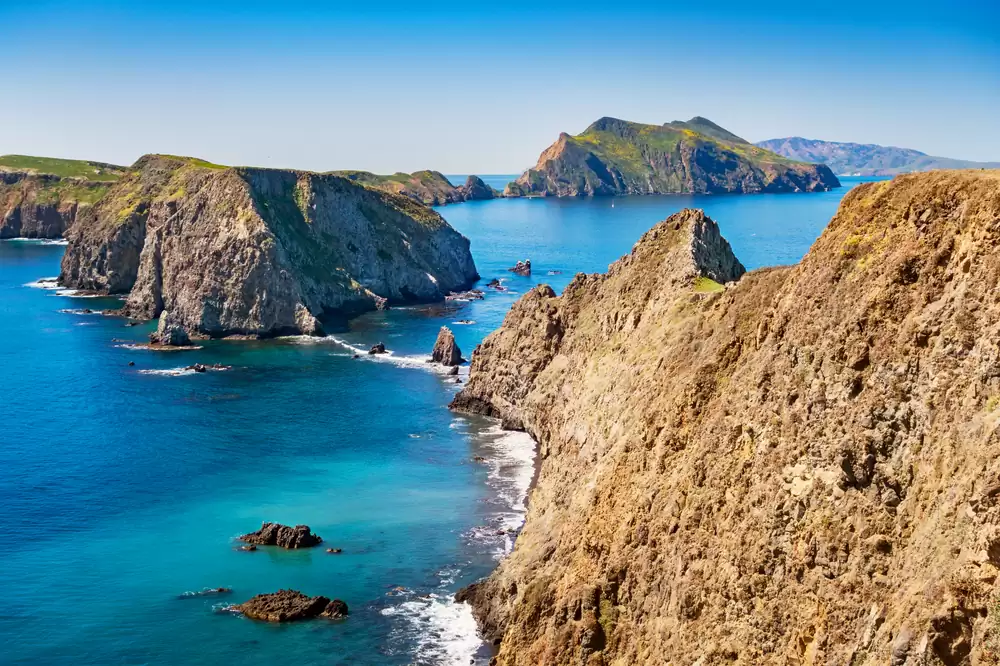
    Tucked away off the coast of Southern California lies Channel Islands National Park, a hidden gem that offers visitors a glimpse into a world of natural beauty, rich history, and diverse wildlife. Often referred to as “California’s Galapagos,” the park encompasses five remarkable islands: Anacapa, Santa Cruz, Santa Rosa, San Miguel, and Santa Barbara. These islands, along with their surrounding marine environments, provide a unique escape from the mainland’s hustle and bustle, offering pristine landscapes and abundant opportunities for adventure and exploration. This blog post delves into the wonders of Channel Islands National Park, uncovering why it is California’s best-kept secret.

    The Islands: A Brief Overview

    Each of the five islands in Channel Islands National Park has its own unique charm and attractions, making the park a diverse and fascinating destination.

    1. Anacapa Island: The closest island to the mainland, Anacapa is known for its iconic lighthouse and dramatic sea cliffs. The island is divided into three islets: East, Middle, and West Anacapa. Visitors can explore the picturesque landscapes, hike along the island’s trails, and enjoy panoramic views of the Pacific Ocean.
    2. Santa Cruz Island: The largest of the Channel Islands, Santa Cruz boasts rugged terrain, stunning sea caves, and diverse ecosystems. It’s a haven for outdoor enthusiasts, offering hiking, kayaking, snorkeling, and wildlife viewing opportunities. The island is also home to the endemic Santa Cruz Island fox, a species found nowhere else in the world.
    3. Santa Rosa Island: Known for its rolling hills, sandy beaches, and unique Torrey pine forests, Santa Rosa Island is a naturalist’s dream. The island’s diverse habitats support a wide range of flora and fauna, making it an excellent destination for hiking, birdwatching, and photography.
    4. San Miguel Island: The westernmost island in the park, San Miguel is remote and wild. It features dramatic landscapes, including sand dunes, rocky shorelines, and pinniped colonies. San Miguel is a prime location for spotting seals, sea lions, and migrating whales.
    5. Santa Barbara Island: The smallest of the Channel Islands, Santa Barbara Island offers tranquility and solitude. Visitors can explore its rugged cliffs, kelp forests, and tide pools, and enjoy exceptional views of the surrounding sea. The island is also a critical habitat for seabirds and marine life.
    Channel Islands National Park: California's Best-Kept Secret Revealed
    Channel Islands National Park: California’s Best-Kept Secret Revealed

    Getting There and Getting Around

    Reaching Channel Islands National Park requires a bit of planning, as there are no bridges or airports on the islands. The primary mode of transportation is by boat, with several companies offering ferry services from Ventura and Oxnard to the various islands. Island Packers, the park’s official concessionaire, provides regular trips to all five islands, offering day trips, camping options, and guided tours.

    Once on the islands, visitors can explore on foot or by kayak. There are no vehicles or paved roads, preserving the islands’ pristine nature. Hiking trails of varying difficulty levels crisscross the islands, leading to breathtaking viewpoints, hidden coves, and historical sites.

    Activities and Attractions

    Channel Islands National Park offers a wealth of activities for nature lovers and adventure seekers alike. Here are some of the top attractions and experiences:

    1. Hiking: The islands feature an extensive network of trails, ranging from easy walks to challenging hikes. Popular trails include the Cavern Point Loop on Santa Cruz Island, which offers stunning coastal views, and the Torrey Pines Loop on Santa Rosa Island, which winds through rare pine forests.
    2. Kayaking: The sea caves and kelp forests surrounding the islands are best explored by kayak. Guided kayaking tours are available, providing an up-close look at the marine ecosystems and dramatic coastal formations. Painted Cave on Santa Cruz Island, one of the world’s largest sea caves, is a must-see destination for kayakers.
    3. Snorkeling and Diving: The clear waters around the Channel Islands are teeming with marine life, making them ideal for snorkeling and diving. Divers can explore kelp forests, underwater caves, and shipwrecks, while snorkelers can enjoy the vibrant marine life in the shallow waters.
    4. Wildlife Viewing: The Channel Islands are home to a variety of unique and endangered species. Visitors can spot the island fox on Santa Cruz Island, elephant seals on San Miguel Island, and numerous seabird colonies throughout the park. Whale watching is also popular, with gray whales, blue whales, and humpback whales frequently seen in the surrounding waters.
    5. Camping: For a more immersive experience, camping is available on all five islands. Campgrounds are primitive, offering basic amenities such as picnic tables and pit toilets. Camping allows visitors to experience the islands’ tranquility and natural beauty after the day-trippers have left.
    6. Historical Sites: The Channel Islands have a rich history, from ancient Chumash Native American settlements to European exploration and ranching. Visitors can explore historical sites such as the remains of ranch buildings on Santa Rosa Island and the Anacapa Island Lighthouse, which has been guiding mariners since 1932.

    Conservation and Preservation

    Channel Islands National Park is not just a recreational paradise; it is also a critical area for conservation and scientific research. The park’s unique ecosystems and endemic species make it a vital area for biodiversity. Efforts to restore and preserve the natural environment include removing non-native species, protecting endangered species, and conducting research to understand the impacts of climate change.

    The park’s isolation has helped preserve its natural state, making it a valuable laboratory for studying natural processes and ecological interactions. Researchers and conservationists work together to ensure that the islands remain a sanctuary for wildlife and a place of natural beauty for future generations.

    Planning Your Visit

    When planning a trip to Channel Islands National Park, it’s essential to prepare for the remote and undeveloped nature of the islands. Here are some tips to help you make the most of your visit:

    1. Reservations: Book your transportation and camping reservations in advance, as trips to the islands can fill up quickly, especially during peak season.
    2. Packing: Bring all necessary supplies, including food, water, and camping gear, as there are no services or stores on the islands. Prepare for varying weather conditions, as the islands can be windy and cool, even in summer.
    3. Leave No Trace: Practice Leave No Trace principles to help preserve the islands’ pristine environment. Pack out all trash, respect wildlife, and stay on designated trails.
    4. Guided Tours: Consider joining a guided tour or ranger-led program to learn more about the islands’ natural and cultural history.

    Conclusion

    Channel Islands National Park is truly California’s best-kept secret, offering a unique and unforgettable escape into nature. With its stunning landscapes, diverse wildlife, and rich history, the park provides endless opportunities for adventure and exploration. Whether you’re hiking to a scenic overlook, kayaking through sea caves, or simply enjoying the tranquility of a remote beach, the Channel Islands promise an experience unlike any other. So venture off the beaten path and discover the hidden wonders of Channel Islands National Park.

  • Surf’s Up in Santa Cruz: Riding the Waves of California’s Surfing Culture

    Surf’s Up in Santa Cruz: Riding the Waves of California’s Surfing Culture

    Santa Cruz, California, is a city where the Pacific Ocean’s waves define its spirit and lifestyle. Known for its world-class surf breaks, laid-back atmosphere, and rich surfing heritage, Santa Cruz has earned its place as a premier destination for surfers from around the globe. This blog post explores the vibrant surfing culture of Santa Cruz, its history, famous surf spots, and what makes this coastal town a haven for wave riders.

    The Birth of Surfing in Santa Cruz

    Santa Cruz’s surfing history dates back to the late 19th century when three Hawaiian princes introduced the sport to the area. In 1885, Prince David Kawānanakoa, Prince Edward Abnel Keliʻiahonui, and Prince Jonah Kūhiō Kalanianaʻole crafted redwood boards and rode the waves at the mouth of the San Lorenzo River. This event marked the beginning of surfing in California and laid the groundwork for Santa Cruz’s surfing culture.

    The sport grew steadily in popularity throughout the 20th century, with local legends and pioneering surfers contributing to its development. Jack O’Neill, a Santa Cruz resident, revolutionized surfing in the 1950s by inventing the modern wetsuit, allowing surfers to brave the chilly waters of Northern California year-round. His innovation not only transformed the sport but also cemented Santa Cruz’s status as a key player in the surfing world.

    Surf's Up in Santa Cruz: Riding the Waves of California's Surfing Culture
    Surf’s Up in Santa Cruz: Riding the Waves of California’s Surfing Culture

    Iconic Surf Spots

    Santa Cruz boasts a variety of surf breaks suitable for all skill levels, making it an ideal destination for both beginners and seasoned surfers. Here are some of the most iconic surf spots in the area:

    1. Steamer Lane: Perhaps the most famous surf spot in Santa Cruz, Steamer Lane is a world-renowned break that offers powerful waves and stunning views of the coastline. Located near the Santa Cruz Surfing Museum, this spot attracts top surfers who come to test their skills on its challenging waves. The break is divided into several sections, including Indicators, Middle Peak, and The Slot, each offering different wave characteristics.
    2. Cowell’s Beach: Situated just east of Steamer Lane, Cowell’s Beach is perfect for beginners. Its gentle, long-rolling waves provide an excellent environment for learning to surf. The sandy bottom and friendly atmosphere make it a favorite spot for surf schools and novice surfers.
    3. Pleasure Point: Located in the Eastside neighborhood, Pleasure Point offers a variety of breaks catering to different skill levels. The area is known for its long rides and consistent waves, making it a popular spot for both longboarders and shortboarders. Pleasure Point’s welcoming surf community and picturesque setting add to its charm.
    4. The Hook: A right-hand point break located near Pleasure Point, The Hook is known for its smooth, peeling waves that are ideal for longboarding. The break can get crowded, but the friendly vibe and reliable waves make it a must-visit spot for surfers.

    The Santa Cruz Surfing Museum

    To delve deeper into the rich history of surfing in Santa Cruz, a visit to the Santa Cruz Surfing Museum is a must. Housed in the historic Mark Abbott Memorial Lighthouse overlooking Steamer Lane, the museum showcases the evolution of surfing in the area. Exhibits include vintage surfboards, photographs, and memorabilia that chronicle the sport’s development and the key figures who have shaped its legacy.

    The museum not only highlights the technical advancements and influential surfers but also emphasizes the cultural impact of surfing on Santa Cruz. From the early Hawaiian influence to the rise of local surf legends, the museum provides a comprehensive look at how surfing has become an integral part of the community.

    Surfing Events and Competitions

    Santa Cruz hosts a variety of surfing events and competitions throughout the year, attracting top talent and surf enthusiasts. One of the most notable events is the O’Neill Coldwater Classic, held at Steamer Lane. This prestigious competition draws professional surfers from around the world who come to showcase their skills on the challenging waves.

    Another popular event is the Santa Cruz Longboard Union Invitational, which celebrates the art of longboarding. Held at Steamer Lane, this competition features stylish, high-performance surfing and highlights the area’s strong longboarding tradition.

    These events not only provide thrilling entertainment but also foster a sense of community and camaraderie among surfers. They offer an opportunity for locals and visitors alike to experience the excitement and passion that define Santa Cruz’s surfing culture.

    The Surfing Lifestyle

    Surfing in Santa Cruz is more than just a sport; it’s a way of life. The city’s laid-back vibe, friendly community, and deep connection to the ocean create an environment where the surfing lifestyle thrives. Local surf shops, such as O’Neill Surf Shop and Freeline Design, offer a wide range of gear and apparel, while surf schools provide lessons and guidance for those looking to catch their first wave.

    Santa Cruz’s commitment to preserving its coastal environment is also evident in its surfing culture. Organizations like Save Our Shores and the Surfrider Foundation actively work to protect the ocean and beaches, ensuring that future generations can enjoy the same pristine waves.

    The surfing lifestyle extends beyond the water, influencing the city’s culture, art, and cuisine. Local cafes and restaurants, such as The Penny Ice Creamery and Verve Coffee Roasters, reflect the community’s emphasis on quality, sustainability, and a relaxed, welcoming atmosphere.

    Conclusion

    Santa Cruz’s surfing culture is a vibrant tapestry woven from its rich history, iconic surf spots, and passionate community. From the pioneering days of the Hawaiian princes to the modern innovations of Jack O’Neill, the city has played a pivotal role in shaping the sport of surfing. Its world-class waves, friendly atmosphere, and commitment to preserving the coastal environment make Santa Cruz a true surfing paradise.

    Whether you’re a seasoned surfer looking to ride the legendary waves of Steamer Lane or a beginner eager to catch your first wave at Cowell’s Beach, Santa Cruz offers a unique and unforgettable surfing experience. So grab your board, head to the beach, and immerse yourself in the exhilarating world of Santa Cruz’s surfing culture. Surf’s up!

  • The Best Zoos and Aquariums in California

    The Best Zoos and Aquariums in California

    California, known for its rich biodiversity and environmental conservation efforts, boasts some of the finest zoos and aquariums in the world. These attractions offer visitors a chance to experience wildlife up close, learn about different species, and support conservation initiatives. Whether you’re a local or a tourist, exploring the best zoos and aquariums in California is a memorable and educational experience.

    The Best Zoos and Aquariums in California
    The Best Zoos and Aquariums in California

    San Diego Zoo

    The San Diego Zoo is one of the most famous and largest zoos in the world. Located in Balboa Park, it spans 100 acres and houses over 3,500 animals from more than 650 species. Highlights include the Giant Panda Research Station, the Elephant Odyssey, and the Australian Outback. The zoo’s innovative exhibits, conservation programs, and lush landscapes make it a top destination for wildlife enthusiasts.

    Monterey Bay Aquarium

    The Monterey Bay Aquarium, located on the edge of the Pacific Ocean in Monterey, is renowned for its focus on marine life and ocean conservation. The aquarium features over 200 exhibits and 80,000 plants and animals. Popular attractions include the Kelp Forest, the Open Sea exhibit, and the Sea Otter Program. Interactive exhibits and educational programs make the Monterey Bay Aquarium a must-visit for all ages.

    Los Angeles Zoo and Botanical Gardens

    Situated in Griffith Park, the Los Angeles Zoo spans 133 acres and is home to more than 1,400 animals representing over 270 species. The zoo’s notable exhibits include the Rainforest of the Americas, the Elephants of Asia, and the LAIR (Living Amphibians, Invertebrates, and Reptiles). The botanical gardens feature a diverse collection of plants, providing a beautiful and educational environment for visitors.

    Aquarium of the Pacific

    Located in Long Beach, the Aquarium of the Pacific is one of the largest aquariums in the United States. It houses over 11,000 animals representing more than 500 species. Highlights include the Shark Lagoon, the June Keyes Penguin Habitat, and the Tropical Pacific Gallery. The aquarium offers interactive experiences, such as touch pools and behind-the-scenes tours, making it a family-friendly destination.

    San Francisco Zoo

    The San Francisco Zoo, located on the city’s Pacific coast, covers 100 acres and features over 2,000 animals from 250 species. Key exhibits include the African Savanna, the Lemur Forest, and the Grizzly Gulch. The zoo also offers educational programs and interactive experiences, such as the Insect Zoo and the Fisher Family Children’s Zoo, making it a great place for children and families.

    SeaWorld San Diego

    SeaWorld San Diego is both a marine mammal park and an oceanarium, located in Mission Bay. It is known for its animal shows, interactive exhibits, and thrilling rides. Highlights include the Orca Encounter, the Dolphin Days show, and the Shark Encounter. SeaWorld also focuses on animal rescue and rehabilitation, providing educational insights into marine conservation.

    Santa Barbara Zoo

    The Santa Barbara Zoo, situated on 30 acres with stunning views of the Pacific Ocean, is home to over 500 animals. Notable exhibits include the African Veldt, the Asian Elephant Habitat, and the California Trails. The zoo’s compact size makes it easily walkable, and it offers various interactive experiences and educational programs for visitors.

    Conclusion

    Exploring the best zoos and aquariums in California offers a unique opportunity to connect with wildlife and marine life while supporting conservation efforts. Each location provides a distinct experience, from the world-renowned San Diego Zoo to the immersive exhibits of the Monterey Bay Aquarium. Whether you’re an animal lover, a family looking for an educational outing, or a tourist seeking memorable experiences, California’s zoos and aquariums have something for everyone.

  • California Cuisine Unveiled: A Journey Through the State’s Culinary Diversity

    California Cuisine Unveiled: A Journey Through the State’s Culinary Diversity

    California cuisine, a term that evokes thoughts of fresh, vibrant, and innovative dishes, represents a culinary tradition that is as diverse as the state’s population. From the fertile valleys and coastal waters to the bustling urban centers, California’s food culture is a reflection of its rich agricultural bounty, multicultural heritage, and pioneering spirit in the culinary arts. This blog post takes you on a journey through the diverse and exciting world of California cuisine, exploring its history, key elements, and must-try dishes.

    The Roots of California Cuisine

    The foundation of California cuisine is deeply intertwined with the state’s history and geography. California’s fertile land has long been a source of an incredible variety of fresh produce, earning it the title of the nation’s “breadbasket.” From the lush Central Valley, which produces a significant portion of the country’s fruits and vegetables, to the vineyards of Napa and Sonoma, and the coastal waters teeming with seafood, the state’s natural resources have shaped its culinary landscape.

    The Gold Rush of the mid-1800s brought a wave of immigrants from around the world, each contributing their culinary traditions to the melting pot. Chinese, Japanese, Mexican, Italian, and French influences, among others, melded together, creating a unique fusion that set the stage for the development of California cuisine.

    Defining California Cuisine

    California cuisine is characterized by its emphasis on fresh, locally-sourced ingredients, simplicity, and innovation. The farm-to-table movement, which prioritizes seasonal and sustainable produce, finds its roots here. Chefs in California have long championed the use of organic and locally-grown ingredients, building close relationships with farmers and producers.

    A hallmark of California cuisine is its fusion of flavors and techniques from various culinary traditions. This approach not only celebrates the state’s diverse population but also encourages creativity and experimentation. Dishes often feature bold combinations of ingredients and a balance of textures and flavors.

    California Cuisine Unveiled: A Journey Through the State's Culinary Diversity
    California Cuisine Unveiled: A Journey Through the State’s Culinary Diversity

    Iconic Dishes and Culinary Staples

    California cuisine is best experienced through its iconic dishes and culinary staples, which showcase the state’s diverse influences and commitment to fresh, high-quality ingredients.

    1. Avocado Toast: This simple yet beloved dish epitomizes the essence of California cuisine. Ripe avocados, often grown locally, are mashed and spread on artisanal bread, then topped with a variety of ingredients such as poached eggs, radishes, microgreens, and chili flakes. It’s a perfect example of how fresh ingredients and creativity come together to create something delicious and nutritious.
    2. Fish Tacos: Originating from the Baja region and popularized in California, fish tacos are a staple in the state’s coastal areas. Freshly caught fish, typically grilled or fried, is served on a corn tortilla with a variety of toppings, including cabbage slaw, avocado, pico de gallo, and a squeeze of lime. This dish highlights the state’s access to fresh seafood and its Mexican culinary heritage.
    3. California Roll: While sushi is a Japanese culinary tradition, the California roll is a distinctly American creation. Invented in Los Angeles in the 1960s, this sushi roll typically contains imitation crab, avocado, and cucumber, wrapped in seaweed and rice. The California roll’s popularity helped introduce sushi to a wider American audience and demonstrates the state’s ability to adapt and innovate traditional dishes.
    4. Farm-to-Table Salads: Salads in California are anything but ordinary. With access to a wide variety of fresh produce year-round, chefs craft vibrant salads that are both visually stunning and bursting with flavor. Ingredients such as heirloom tomatoes, mixed greens, citrus fruits, nuts, and local cheeses come together in creative combinations, often topped with house-made dressings.
    5. Artisanal Pizzas: The artisanal pizza movement has taken root in California, where chefs experiment with unconventional toppings and high-quality ingredients. Pizzas might feature toppings like figs and prosciutto, arugula and goat cheese, or even truffle oil and wild mushrooms. The focus is on thin, crispy crusts and fresh, local produce.

    Wine and Dine: The Role of California’s Wine Country

    No exploration of California cuisine would be complete without mentioning the state’s world-renowned wine country. Regions such as Napa Valley and Sonoma County are famous for their vineyards and wineries, which produce some of the finest wines in the world. These areas are not only a haven for wine enthusiasts but also for food lovers, as many wineries have on-site restaurants that offer exquisite dining experiences.

    Wine pairing is a key aspect of California’s culinary scene. Chefs and sommeliers work together to create menus that complement the diverse array of wines produced in the region. Whether it’s a robust Cabernet Sauvignon paired with a hearty steak or a crisp Chardonnay accompanying a delicate seafood dish, the combination of food and wine elevates the dining experience to new heights.

    The Influence of Celebrity Chefs

    California has also been home to many influential chefs who have shaped and popularized its cuisine on a global scale. Alice Waters, the chef and owner of Chez Panisse in Berkeley, is often credited with pioneering the farm-to-table movement. Her commitment to using locally-sourced, organic ingredients has inspired countless chefs and restaurants across the country.

    Other notable figures include Wolfgang Puck, whose innovative approach to fusion cuisine has made a lasting impact, and Thomas Keller, whose Michelin-starred restaurants The French Laundry and Bouchon have set the standard for fine dining.

    Conclusion

    California cuisine is a celebration of the state’s rich agricultural heritage, diverse cultural influences, and spirit of innovation. From its iconic dishes to its world-class wine country, the culinary landscape of California offers something for everyone. Whether you’re savoring a fresh avocado toast, enjoying a farm-to-table salad, or indulging in an artisanal pizza, each bite is a testament to the flavors and creativity that define California cuisine. Embark on a journey through this vibrant culinary tradition, and discover the delicious diversity that makes California a true food lover’s paradise

  • Exploring California’s Botanical Gardens and Arboretums

    Exploring California’s Botanical Gardens and Arboretums

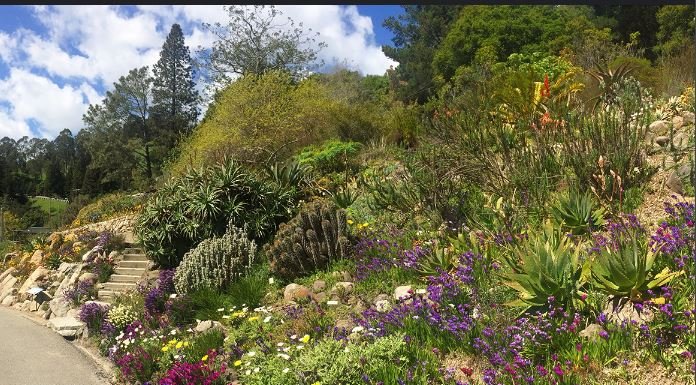
    California, renowned for its diverse landscapes and climate, offers some of the most beautiful botanical gardens and arboretums in the United States. These lush sanctuaries showcase an incredible variety of plants, from native species to exotic collections. Exploring California’s botanical gardens and arboretums provides a serene escape and an opportunity to connect with nature’s beauty.

    Exploring California’s Botanical Gardens and Arboretums.
    Exploring California’s Botanical Gardens and Arboretums.

    San Francisco Botanical Garden

    The San Francisco Botanical Garden, located in Golden Gate Park, spans 55 acres and features over 8,000 different kinds of plants from around the world. Visitors can explore various themed gardens, such as the Mediterranean Garden, the Redwood Grove, and the Garden of Fragrance. The diverse plant collections and scenic pathways make this garden a must-visit for nature enthusiasts and families alike.

    Huntington Library, Art Museum, and Botanical Gardens

    Situated in San Marino, the Huntington Botanical Gardens cover 120 acres and include 16 specialized gardens. Highlights include the Desert Garden, showcasing one of the largest collections of cacti and succulents in the world, and the Japanese Garden, with its tranquil koi ponds and authentic teahouse. The lush landscapes, combined with art and rare book collections, offer a unique cultural experience.

    Los Angeles County Arboretum and Botanic Garden

    The Los Angeles County Arboretum, located in Arcadia, spans 127 acres and features plants from all over the globe. Visitors can explore themed sections such as the Tropical Greenhouse, the Australian Garden, and the Meyberg Waterfall. The arboretum also houses peacocks, which roam freely, adding to the charm of the visit. Seasonal events and educational programs make this a great destination for families.

    Descanso Gardens

    Descanso Gardens, located in La Cañada Flintridge, covers 150 acres and offers a variety of plant collections, including the renowned Rose Garden and the serene Japanese Garden. The Oak Woodland and Camellia Collection provide year-round beauty and interest. Descanso Gardens also features a historic house museum and hosts numerous events, including summer concerts and horticultural classes.

    San Diego Botanic Garden

    The San Diego Botanic Garden, located in Encinitas, spans 37 acres and boasts an extensive collection of plants from around the world. Highlights include the Bamboo Garden, one of the largest collections of bamboo in the country, and the Subtropical Fruit Garden, showcasing exotic fruit trees. The garden’s diverse ecosystems and children’s garden make it a family-friendly destination.

    Conclusion

    Exploring California’s botanical gardens and arboretums offers a tranquil escape into the world of plants and nature. Each garden, with its unique collections and landscapes, provides a peaceful retreat and an educational experience. Whether you’re a plant enthusiast, a family looking for a fun day out, or someone seeking solace in nature, California’s botanical gardens and arboretums are destinations worth visiting.

  • San Francisco’s Tech Boom: A City Where Innovation Knows No Bounds

    San Francisco’s Tech Boom: A City Where Innovation Knows No Bounds

    San Francisco, a city synonymous with the Gold Rush and its vibrant cultural scene, has undergone a transformation over the past few decades. Today, it stands as the epicenter of technological innovation and entrepreneurial spirit. The tech boom that has reshaped the city’s landscape has turned San Francisco into a hub for startups, established tech giants, and cutting-edge research. This blog post explores the factors behind San Francisco’s tech boom, its impact on the city, and what the future might hold.

    The Genesis of a Tech Hub

    San Francisco’s journey to becoming a tech powerhouse began in the mid-20th century with the development of Silicon Valley, just south of the city. Silicon Valley became home to pioneering companies like Hewlett-Packard, Intel, and Apple, setting the stage for a technological revolution. However, as the tech industry expanded, San Francisco itself started to attract tech talent and investment, thanks to its vibrant urban environment, cultural attractions, and proximity to Silicon Valley.

    In the late 1990s, the dot-com boom brought a surge of internet-based companies to San Francisco. Despite the subsequent bust, the foundation had been laid. The city’s tech ecosystem continued to grow, and by the mid-2000s, the rise of social media and mobile technology led to another wave of innovation. Companies like Twitter, Uber, and Airbnb were founded in San Francisco, cementing its reputation as a tech hub.


    San Francisco's Tech Boom: A City Where Innovation Knows No Bounds
    San Francisco’s Tech Boom: A City Where Innovation Knows No Bounds

    Factors Driving the Tech Boom

    Several factors have contributed to San Francisco’s status as a leading center for technology and innovation:

    1. Access to Capital: San Francisco and the greater Bay Area are home to numerous venture capital firms that provide essential funding for startups. The presence of these investors has been crucial in helping new companies scale and innovate rapidly.
    2. Talent Pool: The city’s proximity to world-class universities such as Stanford and UC Berkeley ensures a steady stream of highly skilled graduates. Additionally, San Francisco attracts talent from all over the world, drawn by the opportunity to work on cutting-edge projects and be part of a vibrant tech community.
    3. Culture of Innovation: San Francisco’s culture encourages creativity, risk-taking, and entrepreneurship. The city’s diverse population and progressive values create an environment where new ideas can flourish.
    4. Infrastructure and Resources: The availability of coworking spaces, incubators, and accelerators provides startups with the resources and support they need to succeed. Additionally, networking events, conferences, and meetups offer valuable opportunities for collaboration and learning.

    The Impact on San Francisco

    The tech boom has brought significant economic growth to San Francisco, creating thousands of jobs and attracting billions of dollars in investment. However, it has also presented challenges for the city and its residents.

    1. Economic Growth: The influx of tech companies has led to increased demand for commercial real estate, boosting the local economy. Tech workers, often among the highest-paid professionals, contribute to the city’s vibrant dining, arts, and entertainment scenes.
    2. Housing and Cost of Living: The rapid growth of the tech sector has driven up housing prices, making it difficult for many long-time residents and lower-income individuals to afford living in the city. This has led to gentrification and displacement in some neighborhoods.
    3. Transportation and Infrastructure: The rise in population and economic activity has strained San Francisco’s transportation systems. Efforts are underway to expand public transit and improve infrastructure to accommodate the growing demand.
    4. Cultural Shifts: The tech boom has brought new cultural influences to the city, sometimes creating tension between the tech community and other residents. However, it has also led to greater investment in the arts, education, and community initiatives.

    Looking Ahead: The Future of San Francisco’s Tech Scene

    San Francisco’s tech boom shows no signs of slowing down. As technology continues to evolve, the city is poised to remain at the forefront of innovation. Several trends and developments are likely to shape the future of San Francisco’s tech landscape:

    1. Artificial Intelligence and Machine Learning: AI and machine learning are revolutionizing industries from healthcare to finance. San Francisco is home to numerous companies and research institutions leading the charge in AI development.
    2. Sustainability and Green Tech: With growing awareness of climate change, there is an increasing focus on sustainable technology. San Francisco’s tech community is innovating in areas such as renewable energy, electric vehicles, and waste reduction.
    3. Biotechnology: The city is also emerging as a hub for biotech and life sciences. Advances in genomics, pharmaceuticals, and medical devices promise to transform healthcare and improve quality of life.
    4. Remote Work and Digital Nomadism: The COVID-19 pandemic has accelerated the trend towards remote work, with many tech companies adopting flexible work policies. This shift may lead to changes in the city’s real estate market and urban planning.

    Conclusion

    San Francisco’s tech boom has transformed the city into a global leader in innovation and entrepreneurship. While the rapid growth has brought challenges, it has also created opportunities for economic development and cultural enrichment. As technology continues to evolve, San Francisco is well-positioned to remain a hub of creativity and progress, driving forward the next wave of technological advancements.

  • San Juan Capistrano: Where California’s History Shines Brightest

    San Juan Capistrano: Where California’s History Shines Brightest

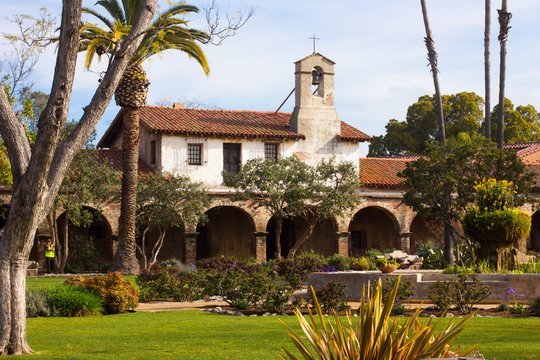
    Nestled in Southern California, San Juan Capistrano stands as a testament to the region’s rich and diverse history. Known for its beautifully preserved Spanish colonial architecture and the famed Mission San Juan Capistrano, this city offers a unique glimpse into the past, making it a must-visit destination for history enthusiasts and travelers alike.

    The Jewel of the Missions: Mission San Juan Capistrano

    Mission San Juan Capistrano, often referred to as the “Jewel of the Missions,” is the seventh of the 21 California missions established by Spanish Catholics. Founded on November 1, 1776, by Father Junípero Serra, it quickly became a central part of the community, offering a place of worship, education, and refuge for the local Native American population.

    One of the mission’s most iconic features is the Great Stone Church. Construction of this grand structure began in 1797, with the aim of creating a place of worship that would stand the test of time. Unfortunately, an earthquake in 1812 caused significant damage to the church, leading to its partial destruction. Today, the ruins of the Great Stone Church serve as a poignant reminder of the area’s tumultuous past and are a highlight for visitors exploring the mission grounds.

    The mission is also renowned for its beautiful gardens and courtyards, which offer a peaceful retreat for visitors. The Serra Chapel, the oldest building in California still in use, provides a glimpse into the early days of the mission with its original altar and stunning architectural details.

    San Juan Capistrano
    San Juan Capistrano

    The Historical Significance of Los Rios Historic District

    Just a short stroll from the mission lies the Los Rios Historic District, one of the oldest continually occupied neighborhoods in California. This charming area is home to adobe houses and other historical structures that date back to the late 18th and early 19th centuries. As you wander through the district, you’ll find a blend of residential homes, boutique shops, and quaint cafes, all set against the backdrop of California’s early history.

    The Los Rios Historic District offers a unique opportunity to experience the living history of San Juan Capistrano. Many of the homes are still occupied by descendants of the original settlers, adding a personal and authentic touch to the area’s historical narrative. The district is also home to the O’Neill Museum, which provides additional context and artifacts from the region’s past.

    El Adobe de Capistrano: A Dining Experience Steeped in History

    For those looking to combine history with culinary delights, El Adobe de Capistrano is a must-visit. This historic building, originally two separate adobes built in 1797 and 1812, has been transformed into a restaurant that offers a unique dining experience. Over the years, El Adobe has served various purposes, including a courthouse, a jail, and even a post office. Today, it retains much of its historical charm, providing diners with a fascinating glimpse into the past while enjoying a meal.

    The restaurant’s menu features a blend of Mexican and Californian cuisine, with dishes that pay homage to the region’s cultural heritage. Dining at El Adobe is not just about the food; it’s about immersing yourself in the history and ambiance of one of San Juan Capistrano’s most storied landmarks.

    Celebrating Tradition: The Swallows of Capistrano

    One of the most celebrated events in San Juan Capistrano is the annual return of the swallows. Every March 19th, on St. Joseph’s Day, the swallows are said to return to the mission from their wintering grounds in Argentina. This phenomenon has become a significant cultural event, drawing visitors from all over the world to witness the spectacle.

    The annual Swallows Day Parade, one of the nation’s largest non-motorized parades, is the highlight of the celebration. It features an array of participants, from local school bands and equestrian groups to historical reenactments and cultural performances. The parade, along with the Fiesta de las Golondrinas—a series of events leading up to the parade—celebrates the legend of the swallows and the rich cultural heritage of San Juan Capistrano.

    A Blend of History and Modern-Day Charm

    San Juan Capistrano offers a unique blend of historical charm and modern amenities, making it a captivating destination for visitors of all ages. The city’s commitment to preserving its heritage is evident in every corner, from the meticulously maintained mission grounds to the quaint shops and restaurants in the historic district.

    In addition to its historical sites, San Juan Capistrano boasts a vibrant arts scene, with galleries and theaters showcasing local talent. Outdoor enthusiasts can explore the numerous parks and trails in the area, including the picturesque San Juan Creek Trail, which offers stunning views of the surrounding landscape.

    Whether you’re exploring the mission, wandering through the historic district, or participating in the local festivals, San Juan Capistrano provides a rich and immersive historical experience. Its blend of cultural heritage, natural beauty, and modern conveniences makes it a unique and unforgettable destination in California.

    San Juan Capistrano truly shines as a beacon of California’s diverse and storied past, inviting visitors to step back in time and experience the history that has shaped the Golden State.

  • Top 15 Eco-Friendly Tours in California

    Top 15 Eco-Friendly Tours in California

    California offers a wealth of eco-friendly tours that allow you to explore its natural beauty while minimizing your environmental footprint. Whether you’re passionate about wildlife conservation, interested in sustainable agriculture, or simply want to immerse yourself in the state’s stunning landscapes, these eco-friendly tours provide unforgettable experiences. Let’s get into some of the best options for eco-conscious travellers.

    Why Choose Eco-Friendly Tours in California?

    Opting for eco-friendly tours allows you to enjoy California’s natural wonders responsibly. These tours promote sustainable practices, support local communities, and provide educational insights into conservation efforts across the state.

    A lady riding a bike in one of the Eco-Friendly Tours in California
    Eco-Friendly Tours in California

    1. Whale Watching in Monterey Bay

    Embark on a whale-watching tour in Monterey Bay, known for its rich marine biodiversity and conservation efforts. Experience the thrill of spotting humpback whales, dolphins, and sea otters in their natural habitat while learning about marine conservation initiatives.

    2. Redwood Forest Canopy Tours

    Explore the majestic redwood forests of Northern California on a canopy tour. Walk among the towering trees, learn about old-growth forest ecosystems, and support efforts to preserve these ancient giants for future generations.

    3. Organic Farm Tours in Sonoma County

    Discover sustainable agriculture practices on organic farm tours in Sonoma County. Visit local farms, taste farm-fresh produce, and gain insights into organic farming techniques that prioritize environmental stewardship and community health.

    4. Electric Bike Tours in San Francisco

    Explore San Francisco’s iconic landmarks and scenic neighbourhoods on an electric bike tour. These tours minimize carbon emissions while allowing you to cover more ground and enjoy panoramic views of the city by the bay.

    5. Eco-Cruises in San Diego Bay

    Take an eco-cruise in San Diego Bay to observe marine wildlife, including sea lions and migratory birds. Learn from naturalist guides about the bay’s ecology and efforts to protect its fragile ecosystems.

    6. Sustainable Wine Tours in Napa Valley

    Indulge in sustainable wine tours in Napa Valley, known for its world-class vineyards and commitment to eco-friendly viticulture practices. Enjoy wine tastings at certified sustainable wineries and learn about water conservation and biodiversity efforts in wine production.

    7. Yosemite National Park Wilderness Tours

    Join wilderness tours in Yosemite National Park to explore its pristine landscapes and learn about conservation challenges facing this iconic wilderness area. These tours promote Leave No Trace principles and offer insights into preserving natural habitats.

    8. Birdwatching Tours in Point Reyes

    Embark on birdwatching tours in Point Reyes National Seashore, a haven for migratory birds and diverse ecosystems. Discover coastal wetlands, grasslands, and forests while supporting habitat conservation efforts.

    9. Kayaking Tours in Channel Islands National Park

    Experience the remote beauty of Channel Islands National Park on kayaking tours. Paddle through sea caves, observe marine life like seals and dolphins, and appreciate efforts to protect the park’s marine and terrestrial environments.

    10. Eco-Friendly Brewery Tours in San Diego

    Join eco-friendly brewery tours in San Diego to sample craft beers brewed with sustainable practices. Learn about water conservation, energy efficiency, and local sourcing while enjoying San Diego’s vibrant beer culture.

    11. Eco-Friendly Walking Tours in Los Angeles

    Discover Los Angeles on eco-friendly walking tours that highlight the city’s history, architecture, and sustainable urban development initiatives. Explore neighborhoods, public parks, and cultural landmarks while minimizing your carbon footprint.

    12. Desert Conservation Tours in Joshua Tree

    Participate in desert conservation tours in Joshua Tree National Park to understand desert ecology and conservation challenges. Explore unique desert flora and fauna while supporting efforts to preserve fragile desert ecosystems.

    13. Surfing and Coastal Cleanup Tours

    Combine surfing with coastal cleanup tours along California’s beaches. Join local organizations to remove marine debris and plastic pollution while enjoying surfing lessons and exploring coastal marine habitats.

    14. Eco-Friendly Segway Tours in Santa Barbara

    Discover Santa Barbara’s scenic beauty on eco-friendly Segway tours. Glide along the waterfront, visit botanical gardens, and learn about sustainable tourism practices that protect Santa Barbara’s natural and cultural heritage.

    15. Forest Bathing Tours in Big Sur

    Immerse yourself in nature on forest bathing tours in Big Sur. Practice mindfulness, connect with the healing power of forests, and support conservation efforts to preserve Big Sur’s pristine coastal redwood forests.

    Conclusion

    Eco-friendly tours in California offer unique opportunities to explore the state’s natural and cultural treasures while promoting sustainability and environmental stewardship. Whether you’re interested in wildlife encounters, outdoor adventures, or cultural experiences, these tours allow you to travel responsibly and contribute to conservation efforts across the Golden State.