Category: California

  • Top Restaurants with Ocean Views in California

    Top Restaurants with Ocean Views in California

    If you’re looking to combine fine dining with breathtaking ocean views in California, you’re in for a treat. The Golden State offers an array of restaurants where you can enjoy delicious meals while gazing at the Pacific Ocean. Let’s get into the top restaurants with ocean views in California and see what makes each one unique.

    Why Choose Restaurants with Ocean Views in California?

    Dining at a restaurant with an ocean view elevates your experience. The serene backdrop of the ocean enhances your meal, making it a memorable occasion. Whether you’re celebrating a special event or just enjoying a meal out, ocean views in California provide the perfect setting.

    Restaurants with Ocean Views in California

    1. The Marine Room, La Jolla

    The Marine Room in La Jolla is renowned for its spectacular ocean views in California. Situated right on the beach, this restaurant offers diners a front-row seat to the stunning coastline. As you savour their exquisite seafood dishes, you can watch the waves crash against the windows, creating a mesmerizing ambience.

    One of the Restaurants with Ocean Views in California
    Restaurants with Ocean Views in California

    2. Nobu Malibu

    Nobu Malibu is another top spot for ocean views in California. This upscale restaurant blends Japanese cuisine with the beauty of the Pacific. Located right on the water, Nobu Malibu provides an unobstructed view of the ocean. The combination of fresh sushi and the soothing sound of the waves makes for an unforgettable dining experience.

    3. Geoffrey’s Malibu

    Geoffrey’s Malibu is a classic choice for those seeking ocean views in California. Perched on a cliff, this restaurant offers panoramic views of the Pacific Ocean. The outdoor seating area allows you to dine under the stars while enjoying the gentle sea breeze. Their menu features a variety of dishes, from fresh seafood to mouthwatering steaks.

    4. The Cliff Restaurant, Laguna Beach

    Located in the heart of Laguna Beach, The Cliff Restaurant boasts some of the best ocean views in California. The restaurant’s terrace overlooks the Pacific, providing diners with a stunning view as they enjoy their meals. The menu offers a mix of Californian and Mediterranean cuisine, ensuring there’s something for everyone.

    5. The Ritz-Carlton, Half Moon Bay

    For a luxurious dining experience with ocean views in California, The Ritz-Carlton in Half Moon Bay is a top choice. The hotel’s restaurant, Navio, offers breathtaking views of the Pacific Ocean. The elegant setting, combined with a menu that highlights fresh, local ingredients, makes for a truly special dining experience.

    6. The Boathouse at Hendry’s Beach, Santa Barbara

    The Boathouse at Hendry’s Beach in Santa Barbara is perfect for those who love casual dining with stunning ocean views in California. Situated right on the beach, this restaurant allows you to enjoy the beauty of the Pacific while savouring delicious seafood. The relaxed atmosphere makes it a great spot for a laid-back meal with friends or family.

    7. Duke’s Malibu

    Duke’s Malibu is a beloved spot for both locals and visitors seeking ocean views in California. Named after the famous surfer Duke Kahanamoku, this restaurant offers a fun, laid-back vibe. The menu features Hawaiian-inspired dishes, and the oceanfront location provides spectacular views of the sunset.

    8. Mastro’s Ocean Club, Newport Beach

    Mastro’s Ocean Club in Newport Beach combines fine dining with breathtaking ocean views in California. Known for its high-quality steaks and seafood, Mastro’s offers a sophisticated dining experience. The restaurant’s floor-to-ceiling windows ensure that every seat in the house has a stunning view of the ocean.

    Conclusion

    California is home to some of the best restaurants with ocean views, each offering a unique dining experience. From the upscale ambiance of Nobu Malibu to the casual charm of The Boathouse at Hendry’s Beach, there’s a perfect spot for everyone. Dining with ocean views in California not only enhances your meal but also creates lasting memories. So, next time you’re looking for a special place to dine, consider one of these top restaurants for an unforgettable experience.

  • Japanese Gardens in Southern California

    Japanese Gardens in Southern California

    Japanese gardens in Southern California offer serene havens that blend traditional Japanese aesthetics with California’s natural landscapes. This blog post explores some of the most enchanting Japanese gardens in the region, highlighting their design principles, cultural significance, and the tranquil experiences they offer to visitors seeking peace and contemplation.

    The Huntington Japanese Garden

    Located within The Huntington Library, Art Museum, and Botanical Gardens in San Marino, the Japanese Garden is a celebrated oasis of tranquility. Designed in the early 20th century by notable landscape architect William Hertrich, the garden features lush greenery, koi-filled ponds, iconic bridges, and meticulously pruned bonsai trees. Visitors can stroll along winding paths, explore tea houses, and admire the garden’s seasonal beauty, which includes cherry blossoms in spring and vibrant foliage in autumn.

    The Japanese Garden at Descanso Gardens

    Descanso Gardens in La Cañada Flintridge is home to a picturesque Japanese garden that showcases the essence of harmony and balance. Designed by Nagao Sakurai, the garden includes a teahouse overlooking a pond adorned with water lilies and graceful carp. Stone lanterns, meticulously raked gravel, and meticulously pruned trees contribute to the garden’s serene atmosphere, inviting visitors to unwind amidst its peaceful surroundings.

    Japanese Gardens in Southern California
    Japanese Gardens in Southern California

    Earl Burns Miller Japanese Garden

    Nestled on the campus of California State University, Long Beach, the Earl Burns Miller Japanese Garden is a hidden gem inspired by traditional Japanese gardens. Designed by landscape architect Edward Lovell, the garden features a koi pond, wooden bridges, cascading waterfalls, and a tea house with tatami mat flooring. Its serene ambiance and lush foliage make it a popular venue for weddings, cultural events, and peaceful contemplation.

    The James Irvine Japanese Garden

    Located within the Japanese American Cultural and Community Center in Los Angeles’ Little Tokyo district, the James Irvine Japanese Garden offers a tranquil retreat in the heart of the city. Designed by landscape architect Takeo Uesugi, the garden features a serene pond, meticulously pruned trees, and traditional elements such as stone lanterns and bamboo fences. Its design reflects principles of simplicity, balance, and harmony, providing visitors with a serene escape from urban bustle.

    Experiencing Zen in Southern California

    Visiting Japanese gardens in Southern California offers more than just aesthetic pleasure; it provides an opportunity to experience Zen philosophy through design and nature. These gardens embody principles such as wabi-sabi (appreciation of imperfection), miegakure (the art of concealment and revelation), and yūgen (profound grace and subtlety), inviting visitors to slow down, contemplate, and find inner peace amidst the beauty of their surroundings.

    Cultural Significance and Preservation

    Japanese gardens in Southern California not only serve as tranquil retreats but also play a vital role in preserving and promoting Japanese cultural heritage. They serve as cultural hubs for events, tea ceremonies, and educational programs that celebrate Japanese traditions and foster cross-cultural understanding.

    Conclusion

    Japanese gardens in Southern California offer a blend of natural beauty, cultural richness, and spiritual tranquility. Whether you’re exploring the iconic landscapes of The Huntington or discovering the hidden serenity of Descanso Gardens, each garden invites visitors to immerse themselves in the art of Zen and appreciate the harmony between nature and human creativity. Embrace the timeless allure of Japanese gardens in Southern California and discover the profound beauty that awaits amidst their peaceful sanctuaries.

  • Anza-Borrego Desert State Park: California’s Desert Jewel

    Anza-Borrego Desert State Park: California’s Desert Jewel

    Anza-Borrego Desert State Park, located in Southern California, stands as a testament to the raw beauty and ecological diversity found within the state’s desert landscapes. This blog post explores the natural wonders, recreational opportunities, and unique features that make Anza-Borrego Desert State Park a must-visit destination for nature enthusiasts and adventurers alike.

    A Desert Wilderness

    Covering over 600,000 acres, Anza-Borrego Desert State Park is California’s largest state park and the second-largest in the contiguous United States. Its vast expanse encompasses diverse desert ecosystems, rugged mountains, and expansive badlands, providing a sanctuary for a wide array of flora and fauna adapted to arid conditions.

    Spring Wildflower Spectacle

    One of the park’s most renowned attractions is its vibrant display of wildflowers, which bursts into bloom after winter rains. During peak bloom season, typically from February to April, the desert floor comes alive with a kaleidoscope of colors, including desert lilies, verbena, lupines, and desert sunflowers. Visitors flock to witness this natural phenomenon and capture stunning photographs of the colorful carpet of flowers against the stark desert backdrop.

    Anza-Borrego Desert State Park: California's Desert Jewel
    Anza-Borrego Desert State Park: California’s Desert Jewel

    Geologic Marvels

    Anza-Borrego Desert State Park boasts a rich geological history that is evident in its sculpted landscapes and ancient rock formations. The park features canyons carved by erosion, rugged badlands with intricate patterns, and dramatic slot canyons waiting to be explored. Fonts Point offers panoramic vistas of the Borrego Badlands and the surrounding mountains, providing a breathtaking glimpse into the park’s geological diversity.

    Wildlife and Biodiversity

    Despite its harsh environment, Anza-Borrego Desert State Park supports a surprising diversity of wildlife. Desert bighorn sheep, golden eagles, kit foxes, and desert tortoises are among the park’s inhabitants, adapted to survive in the desert’s extreme conditions. Birdwatchers flock to the park to spot resident and migratory bird species, including roadrunners, hawks, and owls.

    Outdoor Recreation

    Outdoor enthusiasts will find ample opportunities for exploration and adventure in Anza-Borrego Desert State Park. The park offers miles of hiking trails that lead through desert washes, up rocky slopes, and into hidden oases. Popular trails include the Borrego Palm Canyon Trail, which leads to a native palm oasis, and the slot canyon adventures found in the Calcite Mine area.

    Stargazing and Night Sky

    Anza-Borrego Desert State Park is designated as an International Dark Sky Park, making it an ideal destination for stargazing and astrophotography. Away from the city lights, visitors can marvel at the Milky Way stretching across the sky and observe constellations, planets, and meteor showers with clarity.

    Cultural and Historical Heritage

    The park is rich in cultural and historical significance, with evidence of Native American occupation dating back thousands of years. Petroglyphs and pictographs left by the Kumeyaay and Cahuilla tribes can be found within the park, offering a glimpse into the region’s ancient past and the enduring connection between its indigenous peoples and the land.

    Conservation and Preservation

    Anza-Borrego Desert State Park is committed to conservation efforts aimed at preserving its natural and cultural resources for future generations. Park initiatives focus on habitat restoration, invasive species management, and sustainable visitor practices to ensure the park’s ecological integrity remains intact.

    Conclusion

    Anza-Borrego Desert State Park beckons adventurers, nature lovers, and explorers to uncover its desert wonders and experience the tranquility of its vast landscapes. Whether you’re captivated by spring wildflowers, intrigued by ancient geology, or seeking solitude under a starry sky, the park offers a memorable journey into the heart of California’s desert wilderness. Embrace the allure of Anza-Borrego Desert State Park and discover why it shines as California’s desert jewel.

  • Los Angeles’ Cultural Kaleidoscope

    Los Angeles’ Cultural Kaleidoscope

    Los Angeles, often hailed as the “City of Angels,” is a vibrant metropolis renowned for its rich cultural diversity and dynamic arts scene. This blog post illuminates the multifaceted cultural tapestry of Los Angeles, showcasing its diverse neighborhoods, iconic landmarks, and thriving artistic communities.

    Diversity at its Heart

    Los Angeles stands out as one of the most culturally diverse cities in the world, with a population that represents a mosaic of ethnicities, languages, and traditions. From historic communities like Chinatown and Little Tokyo to vibrant neighborhoods such as Koreatown and Boyle Heights, each enclave adds a unique flavor to the city’s cultural kaleidoscope.

    Art and Architecture

    The city’s architectural landscape is a blend of historic landmarks and modern marvels. Visitors can admire the iconic Griffith Observatory perched on Mount Hollywood, explore the artistic hub of the Getty Center with its impressive art collection and stunning architecture, or stroll along the famous Hollywood Walk of Fame lined with stars honoring entertainment legends.

     Los Angeles' Cultural Kaleidoscope
    Los Angeles’ Cultural Kaleidoscope

    Museums and Galleries

    Los Angeles boasts an array of world-class museums and galleries that celebrate diverse art forms and cultural heritage. The Los Angeles County Museum of Art (LACMA) showcases an extensive collection spanning ancient to contemporary art, while The Broad offers a contemporary art experience with works by renowned artists like Andy Warhol and Jeff Koons.

    Music and Entertainment

    As a global entertainment capital, Los Angeles pulsates with creativity and innovation in music, film, and theater. From the historic theaters of Broadway in Downtown LA to the iconic venues along the Sunset Strip, the city’s entertainment scene offers something for every taste, whether it’s catching a live performance at the Walt Disney Concert Hall or attending a film premiere in Hollywood.

    Culinary Delights

    Los Angeles’ culinary scene reflects its cultural diversity, offering a tantalizing array of flavors from around the world. Food enthusiasts can explore authentic Mexican cuisine in Boyle Heights, savor Korean BBQ in Koreatown, or indulge in gourmet dishes prepared by award-winning chefs in Beverly Hills. The city’s food trucks and farmers’ markets also provide a taste of local favorites and artisanal treats.

    Festivals and Celebrations

    Throughout the year, Los Angeles hosts a vibrant calendar of festivals and cultural celebrations that highlight its diverse communities. From the colorful festivities of the Lunar New Year in Chinatown to the vibrant Dia de los Muertos celebrations in Boyle Heights, these events offer opportunities to experience traditions, music, dance, and cuisine from around the globe.

    Embracing Diversity

    Los Angeles’ cultural kaleidoscope is a testament to its spirit of inclusivity and creativity. Whether you’re exploring its eclectic neighborhoods, immersing yourself in its artistic offerings, or savoring its culinary delights, the city invites visitors to celebrate diversity and embrace the richness of its cultural tapestry.

    Conclusion

    Los Angeles’ cultural kaleidoscope is a source of inspiration, creativity, and community pride. As you explore the city’s diverse neighborhoods, iconic landmarks, and vibrant arts scene, you’ll discover a melting pot of cultures that shape the fabric of LA’s identity. Whether you’re a resident or a visitor, Los Angeles welcomes you to experience its cultural richness and celebrate the endless possibilities that arise from embracing diversity.

  • California’s Underground and Hidden Gems

    California’s Underground and Hidden Gems

    California, the land of sunshine, beaches, and Hollywood glamour, also boasts a surprising array of underground and hidden attractions. Venture beyond the well-trodden tourist path and discover a world of secret caverns, forgotten ghost towns, and unique natural wonders. Get ready to explore the Golden State from a whole new perspective!

    California's Underground and Hidden Gems.
    California’s Underground and Hidden Gems.

    Spelunking Adventures

    California’s geological diversity has given rise to a network of fascinating caves waiting to be explored. For the spelunking enthusiast, Moaning Cavern in Calaveras County is a must-visit. This marble cave boasts breathtaking formations like stalactites, stalagmites, and flowstone. Guided tours take visitors through chambers adorned with natural beauty. Another captivating option is the Mitchell Caverns Natural Preserve located in the Mojave Desert. Here, you can explore limestone caverns filled with unusual cave formations like shield-shaped crystals. Prepare to be amazed by the subterranean wonders hidden beneath California’s surface.

    Unearthing California’s Ghost Towns

    California’s Gold Rush era left behind a legacy of abandoned towns that offer a glimpse into the state’s rich history. Bodie State Historic Park in Mono County is a particularly well-preserved ghost town. Step back in time as you wander through crumbling buildings, a preserved general store, and eerie cemeteries. Imagine the bustling life that once thrived here. Another fascinating ghost town is Calico, located in San Bernardino County. Explore wooden storefronts, a historic mine, and museums that tell the story of this once-booming silver mining town. California’s ghost towns offer a haunting yet captivating glimpse into the state’s past.

     California’s Hidden Gems

    California is brimming with off-the-beaten-path natural attractions. Mono Lake in Mono County is a must-see for nature lovers. This unique saline lake features otherworldly tufa towers formed by calcium carbonate deposits from underwater springs. The surrounding landscape, including snow-capped mountains and vast desert plains, creates a stunning contrast. Another hidden gem is the Pfeiffer Big Sur State Park. Explore lush redwood forests, witness cascading waterfalls, and marvel at secluded beaches along the dramatic California coastline. California’s hidden natural wonders offer a chance to reconnect with nature and experience the state’s untamed beauty.

    Urban Exploration: Uncovering California’s Secret Spots

    California’s cities also hold hidden treasures waiting to be discovered. Los Angeles’s Angels Flight Railway is the world’s shortest funicular railway. Take a short but charming ride up Bunker Hill for panoramic city views. In San Francisco, explore hidden staircases like the Grandview Park Staircase that offer secret passageways and breathtaking vistas. These urban gems add a touch of whimsy and intrigue to your California exploration.

    Embrace the Mystery: The Allure of the Hidden

    The thrill of discovery is a key part of the appeal of California’s underground and hidden attractions. These off-the-beaten-path destinations offer a chance to escape the crowds and experience the unexpected. Whether you’re spelunking through caverns, wandering through ghost towns, or uncovering natural wonders, California’s hidden gems promise an unforgettable adventure. So, step off the main road and embrace the mystery of the Golden State’s hidden treasures.

    A State of Endless Exploration

    California’s diverse landscape and rich history ensure there’s always something new to discover. Venture beyond the obvious and unearth the hidden gems that lie beneath the surface and beyond the cityscapes. From subterranean caverns to forgotten ghost towns, and from otherworldly natural wonders to secret urban pockets, California’s underground and hidden attractions promise an unforgettable adventure. So, pack your sense of adventure, lace up your hiking boots, and prepare to be surprised by the Golden State’s hidden magic.

    Conclusion

    California beckons you to explore its hidden depths and unexpected corners. So, ditch the tourist traps and embark on a journey of discovery. California’s underground and hidden attractions await, promising a unique blend of history, adventure, and natural wonder. Let the Golden State reveal its hidden magic, one secret passage, forgotten town, or breathtaking cavern at a time.

  • Discovering California’s Largest Inland Lake

    Discovering California’s Largest Inland Lake

    California’s Salton Sea, nestled in the desert landscape of Imperial and Riverside Counties, is the state’s largest inland lake and a unique ecological and geological phenomenon. This blog post explores the history, ecological significance, challenges, and recreational opportunities surrounding the Salton Sea, offering readers a comprehensive look into this fascinating yet often misunderstood body of water.

    A Brief History

    The Salton Sea is not a natural lake but rather a man-made reservoir formed by an accidental breach of the Colorado River in 1905. The resulting inflow of water flooded the Salton Sink, creating a vast inland sea that quickly became a significant habitat for wildlife and a popular recreational area.

    Ecological Significance

    Despite its accidental origins, the Salton Sea has evolved into a crucial stopover for migratory birds along the Pacific Flyway. Its saline waters and surrounding wetlands provide habitat for over 400 species of birds, making it one of the most important avian biodiversity hotspots in the United States.

    Discovering California's Largest Inland Lake
    Discovering California’s Largest Inland Lake

    Challenges Facing the Salton Sea

    Over the decades, the Salton Sea has faced numerous environmental challenges, including salinity fluctuations, agricultural runoff, and declining water levels. The increasing salinity of the lake poses a threat to fish and other aquatic species, while exposed lakebed sediments contribute to dust storms that impact air quality in surrounding communities.

    Recreational Opportunities

    Despite its environmental challenges, the Salton Sea remains a popular destination for outdoor enthusiasts and visitors seeking unique recreational experiences. Activities include birdwatching, fishing, boating, and camping along the lake’s shores. The Salton Sea State Recreation Area and nearby wildlife refuges offer opportunities to explore the lake’s natural beauty and observe its diverse bird populations.

    Environmental Conservation Efforts

    Efforts to address the environmental issues facing the Salton Sea are ongoing. Various stakeholders, including state and local agencies, environmental organizations, and community groups, are working to develop and implement conservation and restoration projects aimed at preserving the lake’s ecological health and supporting its wildlife habitats.

    Conclusion

    The Salton Sea is a testament to both the resilience of nature and the complex relationship between human activities and the environment. As California’s largest inland lake, it continues to play a vital role in supporting biodiversity and providing recreational opportunities for visitors.

    By understanding the history, ecological significance, challenges, and conservation efforts surrounding the Salton Sea, we can appreciate its unique beauty and contribute to efforts aimed at ensuring its preservation for future generations to enjoy. Whether you’re exploring its shores for birdwatching or contemplating its ecological importance, the Salton Sea invites all who visit to discover and appreciate California’s diverse natural landscapes.

  • The Best Golf Courses in California

    The Best Golf Courses in California

    California is home to some of the most beautiful and challenging golf courses in the world. With its diverse landscapes, ranging from coastal views to desert oases, the Golden State offers a variety of golfing experiences for enthusiasts of all levels. Whether you are a seasoned pro or a casual player, California’s top golf courses provide exceptional play and stunning scenery.

    The Best Golf Courses in California
    The Best Golf Courses in California

    Pebble Beach Golf Links

    Pebble Beach Golf Links is often regarded as one of the most iconic golf courses in the world. Located on the rugged coastline of the Monterey Peninsula, this course offers breathtaking ocean views and challenging holes. Designed by Jack Neville and Douglas Grant, Pebble Beach has hosted numerous major tournaments, including the U.S. Open. Golfers can expect a memorable experience with its well-maintained greens and dramatic landscape.

    Torrey Pines Golf Course

    Situated atop cliffs overlooking the Pacific Ocean in La Jolla, Torrey Pines Golf Course is another must-play destination in California. This municipal course features two 18-hole championship courses, the North and South courses. The South Course, designed by Rees Jones, is particularly renowned for hosting the annual PGA Tour’s Farmers Insurance Open and the 2021 U.S. Open. Torrey Pines combines challenging play with stunning coastal scenery, making it a favorite among golf enthusiasts.

    Cypress Point Club

    Cypress Point Club in Pebble Beach is a private golf course that offers an unparalleled golfing experience. Designed by Alister MacKenzie and Robert Hunter, this course is known for its natural beauty and challenging layout. With holes that play along the Pacific Ocean and through the Del Monte Forest, Cypress Point provides a unique and breathtaking round of golf. Although it is exclusive and difficult to access, playing here is a once-in-a-lifetime experience for those who get the opportunity.

    The Olympic Club

    Located in San Francisco, The Olympic Club is one of the oldest athletic clubs in the United States. Its Lake Course is highly regarded and has hosted several major championships, including the U.S. Open. Designed by Willie Watson and Sam Whiting, the course features narrow fairways, challenging greens, and significant elevation changes. The Olympic Club offers a challenging yet rewarding golfing experience with its rich history and scenic views.

    Riviera Country Club

    Riviera Country Club in Pacific Palisades is a legendary course known for its classic design and prestigious tournaments. Designed by George C. Thomas Jr., Riviera has been the site of the Genesis Invitational and several major championships. The course is characterized by its strategic bunkering, fast greens, and iconic par-3 sixth hole, known as “Hogan’s Alley.” Golfers will enjoy the challenge and history associated with playing at Riviera.

    Pasatiempo Golf Club

    Pasatiempo Golf Club, located in Santa Cruz, is a hidden gem designed by Alister MacKenzie. The course offers a challenging layout with undulating fairways, deep bunkers, and fast greens. Pasatiempo is known for its natural beauty, with views of the Monterey Bay and surrounding hills. It provides a challenging yet enjoyable round of golf for players of all skill levels.

    Spyglass Hill Golf Course

    Spyglass Hill Golf Course in Pebble Beach is another top-tier course in California. Designed by Robert Trent Jones Sr., Spyglass Hill features a diverse layout that transitions from oceanfront holes to forested inland holes. The course is known for its challenging design, with tight fairways and well-protected greens. Spyglass Hill offers a unique and memorable golfing experience with its stunning scenery and demanding play.

    Conclusion

    California boasts some of the best golf courses in the world, offering diverse and picturesque settings for golf enthusiasts. From the iconic Pebble Beach Golf Links to the exclusive Cypress Point Club, these courses provide challenging play and breathtaking views. Whether you seek the thrill of coastal courses or the beauty of inland designs, California’s top golf courses are sure to deliver an unforgettable golfing experience.

  • Sustainable Sips: Exploring Eco-Friendly Wineries of Sonoma County

    Sustainable Sips: Exploring Eco-Friendly Wineries of Sonoma County

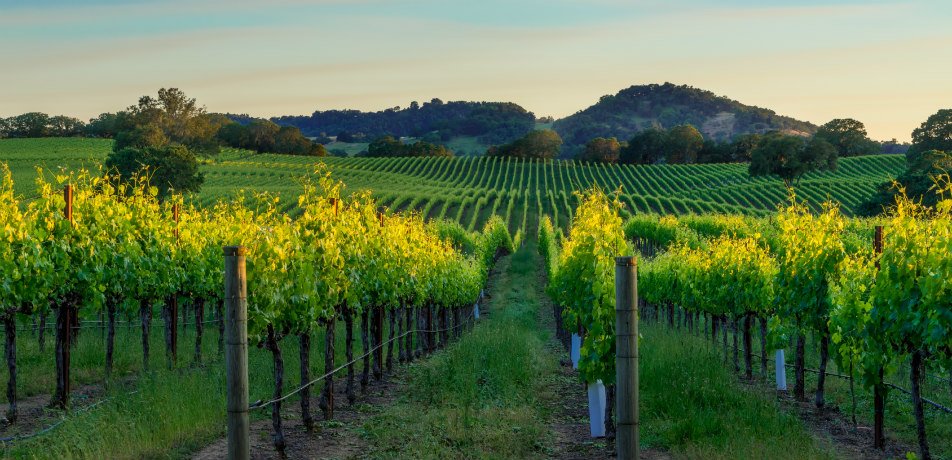
    Sonoma County, nestled in the heart of California’s wine country, is not only renowned for its exceptional wines but also for its commitment to sustainability. This blog post delves into the eco-friendly practices of Sonoma County wineries, highlighting their efforts to preserve the environment while producing world-class wines. Whether you’re a wine enthusiast or an eco-conscious traveler, exploring these sustainable wineries offers a unique and enriching experience.

    Embracing Sustainable Viticulture

    Sustainability in Sonoma County’s wineries begins in the vineyards. Many wineries have adopted sustainable viticulture practices aimed at minimizing environmental impact and promoting biodiversity. These practices often include:

    • Organic Farming: Some wineries practice organic farming, which involves avoiding synthetic pesticides and fertilizers in favor of natural alternatives. Organic certification ensures that grapes are grown in harmony with nature, maintaining soil health and biodiversity.
    • Biodynamic Farming: Biodynamic farming takes organic practices a step further by incorporating holistic principles and lunar cycles into farming practices. It emphasizes soil health, biodiversity, and the use of natural composts and preparations to enhance vineyard vitality.
    • Integrated Pest Management (IPM): IPM strategies focus on preventing pests and diseases through natural means, such as introducing beneficial insects, using cover crops to attract beneficial organisms, and implementing traps and barriers to minimize pest damage.
    Sustainable Sips: Exploring Eco-Friendly Wineries of Sonoma County
    Sustainable Sips: Exploring Eco-Friendly Wineries of Sonoma County

    Water Conservation Efforts

    Water conservation is a critical aspect of sustainable viticulture in Sonoma County, where dry summers and limited water resources necessitate efficient water management. Wineries implement various strategies to reduce water usage, such as:

    • Drip Irrigation Systems: Drip irrigation delivers water directly to the roots of grapevines, minimizing evaporation and runoff compared to traditional sprinkler systems. This method ensures that water is used more efficiently, optimizing vine health while conserving precious water resources.
    • Cover Cropping: Planting cover crops between vine rows helps prevent erosion, improve soil structure, and retain moisture in the soil. Cover crops also provide habitat for beneficial insects and wildlife, contributing to vineyard biodiversity.
    • Recycled Water Systems: Some wineries utilize recycled water for irrigation purposes, reducing their reliance on freshwater sources and minimizing their environmental footprint.

    Energy Efficiency and Renewable Energy

    Sonoma County wineries are increasingly embracing energy-efficient practices and renewable energy sources to reduce greenhouse gas emissions and energy consumption. These initiatives include:

    • Solar Power: Many wineries have installed solar panels to generate clean, renewable energy. Solar power not only reduces reliance on fossil fuels but also lowers operational costs over the long term, making it a sustainable investment for wineries committed to environmental stewardship.
    • Energy-Efficient Lighting and Equipment: Wineries are upgrading to energy-efficient lighting systems and equipment, such as LED lighting and high-efficiency winemaking machinery. These upgrades help minimize energy consumption and reduce the carbon footprint of winery operations.
    • Waste Management and Recycling: Sustainable wineries prioritize waste reduction and recycling efforts. They implement composting programs to recycle grape pomace and other organic materials, reducing landfill waste and enriching soil health in vineyards.

    Certification and Commitment to Sustainability

    Many Sonoma County wineries participate in sustainability certification programs to validate their environmental practices and commitment to sustainability standards. Certifications such as:

    • California Certified Sustainable Winegrowing (CCSW): Administered by the California Sustainable Winegrowing Alliance, CCSW certification recognizes wineries that adhere to rigorous sustainability standards in vineyard and winery practices.
    • LEED Certification: Some wineries pursue Leadership in Energy and Environmental Design (LEED) certification for their tasting rooms and winemaking facilities. LEED-certified buildings meet stringent criteria for energy efficiency, water conservation, and indoor environmental quality.
    • Certified Organic and Biodynamic: Wineries that practice organic and biodynamic farming may obtain certification from accredited organizations, ensuring compliance with organic and biodynamic standards in grape production.

    Exploring Sustainable Wineries in Sonoma County

    When visiting Sonoma County, consider exploring these exemplary wineries known for their sustainable practices:

    1. Frog’s Leap Winery: Renowned for its organic and biodynamic farming practices, Frog’s Leap emphasizes sustainability in every aspect of its winemaking process, from vineyard management to energy-efficient winery operations.
    2. Quivira Vineyards & Winery: Quivira is committed to biodynamic farming and regenerative agriculture practices, promoting soil health, biodiversity, and water conservation in its Dry Creek Valley vineyards.
    3. Iron Horse Vineyards: Iron Horse is a pioneer in sustainable farming and solar energy use. The winery’s estate vineyards are certified sustainable, and its tasting room operates on solar power, reflecting its dedication to environmental stewardship.
    4. Rodney Strong Vineyards: Rodney Strong integrates sustainable farming practices with water conservation and renewable energy initiatives. The winery’s commitment to sustainability is evident in its vineyard management and LEED-certified hospitality center.

    Conclusion

    Sonoma County’s eco-friendly wineries exemplify the marriage of environmental stewardship and winemaking excellence. By embracing sustainable viticulture, water conservation efforts, energy efficiency, and renewable energy sources, these wineries contribute to the preservation of natural resources and the health of local ecosystems.

    Exploring sustainable wineries in Sonoma County offers not only a taste of exceptional wines but also a deeper appreciation for the dedication and innovation driving the region’s wine industry forward. Whether you’re savoring a glass of wine overlooking vine-covered hills or learning about biodynamic farming practices firsthand, the experience is as enriching as it is environmentally conscious. Join the journey to sustainable sips in Sonoma County and toast to a future where wine and sustainability go hand in hand.

  • San francisco wonders and places to visit

    San francisco wonders and places to visit

    San Francisco, often referred to as “The City by the Bay,” is renowned for its iconic landmarks, vibrant neighborhoods, and stunning natural beauty. Whether you’re a first-time visitor or a seasoned traveler, San Francisco offers an array of attractions that capture the city’s unique charm and spirit. This blog post will guide you through some of the must-see wonders and places to visit in San Francisco, ensuring you experience the best this captivating city has to offer.

    1. Golden Gate Bridge

    The Golden Gate Bridge is perhaps San Francisco’s most recognizable landmark. Spanning 1.7 miles across the Golden Gate Strait, this iconic red-orange suspension bridge connects the city to Marin County. Visitors can walk or bike across the bridge for breathtaking views of the bay, Alcatraz Island, and the Pacific Ocean. The Golden Gate Bridge Welcome Center provides historical information and souvenirs, making it a perfect starting point for your visit.

    2. Alcatraz Island

    Alcatraz Island, located in San Francisco Bay, is famous for its former federal penitentiary that housed notorious criminals such as Al Capone and “Birdman” Robert Stroud. Today, Alcatraz is a National Historic Landmark and a popular tourist attraction. Accessible by ferry from Pier 33, the island offers guided tours of the prison, where you can explore the cells, dining hall, and exercise yard. The audio tour, narrated by former inmates and guards, provides a fascinating insight into the island’s history.

    San francisco wonders and places to visit
    San francisco wonders and places to visit

    3. Fisherman’s Wharf

    Fisherman’s Wharf is one of San Francisco’s busiest tourist areas, known for its lively atmosphere, seafood restaurants, and waterfront attractions. Pier 39, a popular destination within the Wharf, features shops, eateries, and an aquarium. Don’t miss the sea lions basking on the docks! Nearby, the historic Hyde Street Pier and the San Francisco Maritime National Historical Park showcase a collection of historic ships and maritime artifacts.

    4. Chinatown

    San Francisco’s Chinatown is the oldest and one of the largest in North America. Enter through the iconic Dragon’s Gate at Grant Avenue and Bush Street, and immerse yourself in the vibrant culture and bustling streets. Explore unique shops, traditional herbalists, and authentic Chinese restaurants. Key attractions include the Golden Gate Fortune Cookie Factory, where you can watch fortune cookies being made, and the Chinese Historical Society of America Museum, which delves into the rich history of Chinese Americans.

    5. Golden Gate Park

    Golden Gate Park, spanning over 1,000 acres, is a sprawling urban oasis offering a multitude of attractions and activities. Visit the de Young Museum, renowned for its American art collection and striking architecture, and the California Academy of Sciences, home to an aquarium, planetarium, and natural history museum. The Japanese Tea Garden, with its serene koi ponds and pagodas, offers a tranquil escape, while the Conservatory of Flowers showcases a stunning array of exotic plants.

    6. Union Square

    Union Square is the heart of San Francisco’s shopping and entertainment district. This bustling plaza is surrounded by high-end department stores, boutiques, theaters, and art galleries. The square itself often hosts live performances, art installations, and seasonal events. Nearby, the historic cable cars provide a quintessential San Francisco experience, taking visitors up and down the city’s steep hills.

    7. The Painted Ladies and Alamo Square

    The Painted Ladies, a row of colorful Victorian houses, are an iconic sight in San Francisco. Located across from Alamo Square Park, these beautifully restored homes offer a picturesque view with the city skyline in the background. Alamo Square Park is a great spot for a leisurely picnic or to simply relax and take in the stunning scenery.

    8. Haight-Ashbury

    Haight-Ashbury, the birthplace of the 1960s counterculture movement, is a neighborhood rich in history and eclectic charm. Stroll down Haight Street to discover vintage clothing shops, record stores, and quirky boutiques. The area is also home to the Red Victorian Bed & Breakfast, a historic landmark, and several vibrant murals that pay homage to its bohemian past. Don’t miss a visit to the famous Amoeba Music store, which houses an extensive collection of vinyl records and CDs.

    9. The Exploratorium

    The Exploratorium, located at Pier 15 on the Embarcadero, is a hands-on science museum that delights visitors of all ages. With over 600 interactive exhibits, the museum encourages exploration and discovery in various fields, including biology, physics, and human perception. The Tactile Dome, a unique sensory experience, and the outdoor exhibits along the Bay provide additional opportunities for learning and fun.

    10. Twin Peaks

    For some of the best panoramic views of San Francisco, head to Twin Peaks. These two prominent hills, located near the center of the city, offer sweeping vistas of the skyline, the bay, and beyond. The summit is accessible by car, and several hiking trails wind through the area, providing excellent opportunities for nature lovers and photographers alike. The viewing area is particularly popular at sunrise and sunset.

    11. The Mission District

    The Mission District is a vibrant neighborhood known for its Latin American culture, colorful murals, and culinary delights. Stroll down Valencia Street to find an array of trendy shops, cafes, and bars. The Mission Murals, especially those in Balmy Alley and Clarion Alley, showcase the neighborhood’s rich artistic heritage and social activism. Don’t miss the historic Mission San Francisco de Asís (Mission Dolores), the oldest surviving structure in the city, founded in 1776.

    12. The Presidio

    The Presidio, a former military base turned national park, offers a unique blend of natural beauty and historical significance. Explore the scenic trails, such as the Ecology Trail and the Batteries to Bluffs Trail, which offer stunning views of the Golden Gate Bridge and the Pacific Ocean. The Presidio is also home to the Walt Disney Family Museum, which chronicles the life and legacy of Walt Disney, and the historic Officers’ Club, which hosts exhibitions and events.

    13. Coit Tower

    Coit Tower, perched atop Telegraph Hill, is a historic landmark that provides 360-degree views of the city and the bay. Built in 1933, the tower is adorned with murals depicting life in California during the Great Depression. The climb to the top offers a rewarding perspective of San Francisco’s iconic skyline, the Bay Bridge, and Alcatraz Island.

    14. Lombard Street

    Lombard Street, famously known as the “crookedest street in the world,” is a must-see attraction. This steep, winding street is lined with beautifully landscaped gardens and offers a unique driving or walking experience. The best views of Lombard Street can be enjoyed from the bottom of the hill, where you can capture the intricate curves and vibrant flowers.

    Conclusion

    San Francisco is a city of endless wonders and captivating places to visit. From the iconic Golden Gate Bridge to the vibrant neighborhoods of Chinatown and Haight-Ashbury, there is something for everyone to enjoy. Whether you’re exploring historic landmarks, indulging in world-class cuisine, or simply taking in the breathtaking views, San Francisco offers a wealth of experiences that will leave you enchanted and inspired. So pack your bags and get ready to discover the magic of the Golden City!

  • California’s Famous Historical Trials and Court Cases

    California’s Famous Historical Trials and Court Cases

    California has been the setting for numerous high-profile trials and court cases that have captivated the nation. These cases have ranged from sensational criminal trials to landmark civil rights decisions, reflecting the state’s diverse and dynamic legal landscape. From the early 20th century to the present, California’s courts have played a crucial role in shaping legal precedent and public discourse.

    California’s Famous Historical Trials and Court Cases
    California’s Famous Historical Trials and Court Cases

    The Trial of Charles Manson

    One of the most infamous trials in California history is the trial of Charles Manson and his followers in 1970-1971. Manson, the leader of a cult known as the Manson Family, orchestrated a series of brutal murders in 1969, including the killing of actress Sharon Tate. The trial was a media sensation, highlighting the counterculture of the 1960s and the dangers of cults. Manson and several of his followers were convicted of murder and sentenced to life in prison. The trial had a lasting impact on the criminal justice system and public awareness of cult dynamics.

    The O.J. Simpson Trial

    The O.J. Simpson trial in 1995 is perhaps the most well-known criminal trial in recent American history. Simpson, a former NFL star and actor, was accused of murdering his ex-wife Nicole Brown Simpson and her friend Ronald Goldman. The trial was marked by its extensive media coverage, racial tensions, and dramatic courtroom moments. Simpson’s acquittal shocked the nation and sparked widespread debate about the criminal justice system and racial inequality. The trial’s legacy continues to influence discussions about race, media, and justice.

    The Rodney King Beating Trial

    In 1992, the trial of four LAPD officers accused of beating Rodney King, an African American motorist, brought national attention to issues of police brutality and racial discrimination. The officers were acquitted by a predominantly white jury, leading to the Los Angeles riots, one of the largest civil disturbances in U.S. history. The case underscored the deep racial divides in America and prompted significant reforms in police practices and community relations. The subsequent federal trial, which resulted in the conviction of two officers, highlighted the ongoing struggle for justice and equality.

    The Scott Peterson Case

    The trial of Scott Peterson in 2004 for the murder of his pregnant wife Laci Peterson captivated the public. Peterson’s case was notable for the intense media scrutiny and the emotional impact on the community. He was convicted of first-degree murder for Laci and second-degree murder for their unborn son, Conner. The case drew attention to domestic violence and the legal complexities surrounding fetal homicide. Peterson’s trial and conviction remain a poignant reminder of the devastating consequences of domestic violence.

    The McMartin Preschool Trial

    In the 1980s, the McMartin Preschool trial became the longest and most expensive criminal trial in U.S. history. Staff members of the McMartin Preschool in Manhattan Beach were accused of sexually abusing children in their care. The trial, which lasted from 1987 to 1990, ended with no convictions. The case highlighted issues of mass hysteria, the reliability of child testimony, and the flaws in the criminal justice system. It had a lasting impact on the handling of child abuse allegations and the use of forensic evidence.

    The People v. George W. Bush

    In a unique case, former President George W. Bush faced charges in California for war crimes related to the Iraq War. This symbolic trial, held in a people’s tribunal format in 2008, was not legally binding but aimed to raise awareness of the consequences of the Iraq War and advocate for accountability. The tribunal found Bush guilty, reflecting the deep opposition to the war and the desire for justice among many Americans. While not an official court case, it underscored the power of public opinion and grassroots activism.

    The Proposition 8 Case

    In 2008, California voters passed Proposition 8, a ballot initiative that banned same-sex marriage. The case, Hollingsworth v. Perry, challenged the constitutionality of the proposition. In 2010, a federal district court struck down Proposition 8, ruling it violated the Equal Protection Clause of the U.S. Constitution. The case eventually reached the Supreme Court, which dismissed the appeal in 2013, effectively legalizing same-sex marriage in California. The case was a significant milestone in the LGBTQ+ rights movement and set a precedent for marriage equality nationwide.

    Conclusion

    California’s legal history is rich with trials and court cases that have had profound implications for the state and the nation. From criminal cases that captured the public’s imagination to civil rights battles that advanced social justice, these cases reflect the evolving legal and social landscape of California. The state’s courts continue to play a pivotal role in addressing complex legal issues and shaping the future of American jurisprudence.