Category: California

  • The Beauty and Mystery of California’s Deserts

    The Beauty and Mystery of California’s Deserts

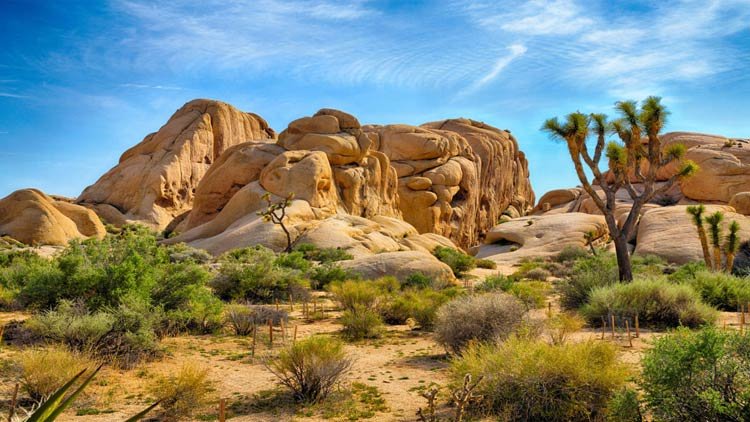
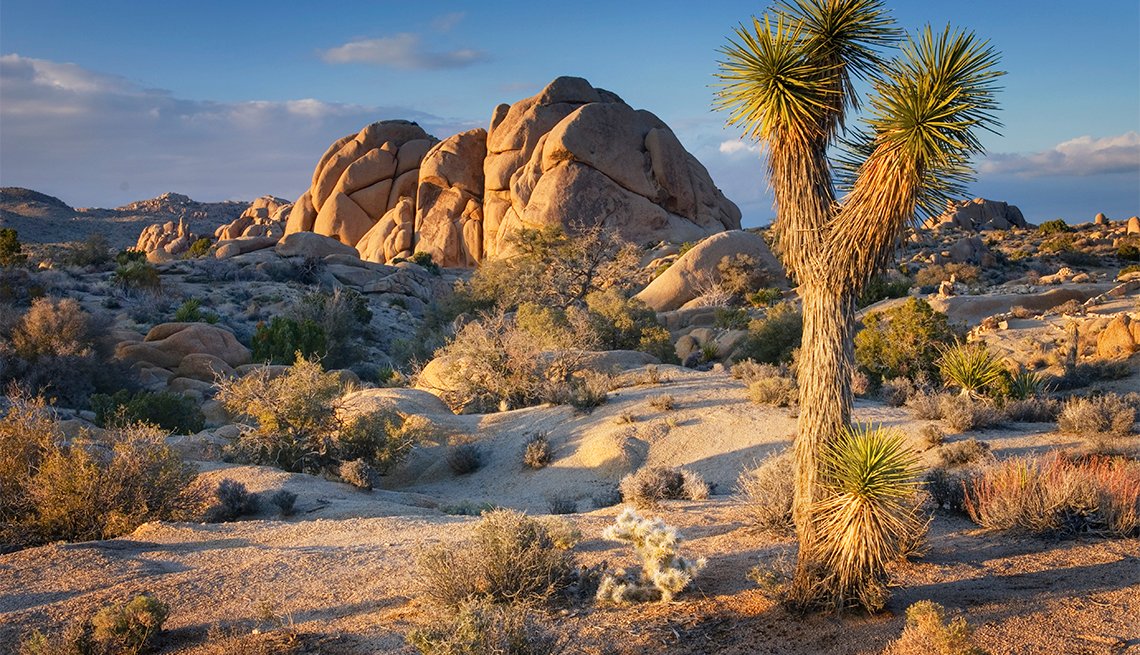
    California, often synonymous with sandy beaches and Hollywood glamour, also boasts a hidden gem – its vast and captivating deserts. California’s deserts, encompassing Death Valley National Park, Joshua Tree National Park, and Mojave National Preserve, offer a landscape of stark beauty, diverse ecosystems, and a sense of mystery that beckons adventurous travelers. So, ditch the swimsuit and grab your hiking boots – it’s time to explore the wonders that lie beyond California’s coastline.

    The Beauty and Mystery of California's Deserts
    The Beauty and Mystery of California’s Deserts

    A Landscape of Extremes

    California’s deserts are defined by their arid climate, with scorching summer temperatures and minimal rainfall. This harsh environment has sculpted a landscape of dramatic mountain ranges, sculpted canyons, and vast alluvial fans – sloping plains formed by the accumulation of sediment. Death Valley National Park holds the title of the hottest, driest place in North America, while Joshua Tree National Park boasts the otherworldly beauty of the Joshua tree, a uniquely adapted yucca species. The Mojave National Preserve, the largest desert park in the contiguous United States, offers a diverse landscape ranging from towering sand dunes to extinct volcanoes.

    Life Thrives in the Dryness

    Despite the harsh conditions, California’s deserts teem with life. Animal species have adapted to survive in the arid environment, showcasing remarkable resilience. Look for desert bighorn sheep scaling rocky cliffs, elusive coyotes emerging at dusk, and the ever-watchful desert kit fox with its oversized ears. A variety of reptiles, including lizards and snakes, call the desert home, while the dry skies are occasionally graced by soaring birds of prey. Desert wildflowers, like the vibrant cacti blooms, add a splash of color to the arid landscape, especially after a rare rainfall.

    Unveiling the Desert’s Past

    California’s deserts hold the secrets of ancient civilizations. Evidence of indigenous people who thrived in the desert for millennia can be found in petroglyphs (rock art) and archaeological sites. Death Valley National Park is home to Badwater Basin, the lowest point in North America, and Zabriskie Point, offering stunning views of eroded canyons that whisper tales of a wetter past. Joshua Tree National Park’s namesake tree holds cultural significance for indigenous groups, and there’s a sense of reverence for the delicate balance between humans and the desert environment.

    A Universe Above the Desert Floor

    California’s deserts are renowned for their dark night skies, virtually untouched by light pollution. Death Valley National Park is a designated International Dark Sky Park, offering unparalleled opportunities for stargazing. On a clear night, millions of stars blanket the sky, revealing constellations, distant galaxies, and even the Milky Way in all its glory. Whether you’re a seasoned astronomer or a curious observer, the desert night sky is a breathtaking spectacle that leaves you feeling humbled and awestruck.

    Exploring the Desert Landscape

    California’s deserts offer a variety of outdoor adventures for all skill levels. Embark on a challenging hike through Joshua Tree National Park’s Hidden Valley, a maze of boulders and desert vegetation. Death Valley National Park’s Badwater Basin is a surreal landscape perfect for photography and exploring on foot. For the less adventurous, scenic drives along desert highways offer stunning vistas and opportunities to spot wildlife. Camping under the endless night sky is an unforgettable experience, allowing you to truly connect with the desert’s tranquility.

    Conclusion

    California’s deserts offer a unique and unforgettable experience. However, it’s crucial to remember that this fragile ecosystem requires respect and responsible tourism. Be prepared for the extreme weather conditions, pack plenty of water, and leave no trace behind. By following Leave No Trace principles and respecting the desert environment, we can ensure that future generations can continue to explore the beauty and mystery of California’s deserts. So, pack your sense of adventure, a healthy dose of respect, and get ready to be captivated by the magic of the California desert.

  • Best Seafood Restaurants in California

    Best Seafood Restaurants in California

    Are you craving the freshest catch of the day served with a side of stunning Pacific views? Look no further than California’s vibrant seafood dining scene. From the bustling streets of San Francisco to the sunny shores of Santa Monica, California offers a plethora of seafood restaurants that promise not only delicious dishes but also unforgettable dining experiences.

    Culinary Delights of Seafood Restaurants in California

    When it comes to seafood restaurants in California, the options are as diverse as the coastline itself. Whether you prefer casual seafood shacks serving up fish tacos or upscale eateries offering Michelin-starred delicacies, there’s something to satisfy every palate. Let’s get into some of the top spots where you can indulge in the best seafood dishes the Golden State has to offer:

    A Seafood Restaurant in California
    Best Seafood Restaurants in California

    1. The Lobster, Santa Monica

    Located in Santa Monica, The Lobster is a quintessential seafood destination offering panoramic ocean views and a menu filled with fresh catches. Whether you’re in the mood for buttery lobster or succulent crab, this restaurant delivers a taste of coastal California.

    2. Swan Oyster Depot, San Francisco

    In the heart of San Francisco, Swan Oyster Depot has been delighting locals and tourists alike for decades with its no-frills seafood counter. Dive into their famous oysters or enjoy a hearty bowl of clam chowder while soaking in the lively atmosphere.

    3. Hog Island Oyster Co., San Francisco

    Nestled in the Ferry Building, Hog Island Oyster Co. is renowned for its sustainably sourced oysters and vibrant waterfront setting. Indulge in a seafood platter and enjoy the scenic views of the Bay Bridge.

    4. Water Grill, Los Angeles

    For an upscale seafood dining experience in Los Angeles, look no further than Water Grill. With its elegant ambiance and a menu featuring everything from raw bar specialties to expertly prepared seafood entrees, this restaurant is a favorite among seafood aficionados.

    5. Providence, Los Angeles

    Experience culinary excellence at Providence, a Michelin-starred restaurant in Los Angeles known for its inventive seafood dishes. Chef Michael Cimarusti’s creations highlight the best of seasonal seafood, making every meal a true gourmet experience.

    6. The Crab Cooker, Newport Beach

    The Crab Cooker has been a Newport Beach staple since 1951, offering a casual atmosphere and delectable seafood dishes. Don’t miss their famous clam chowder and grilled seafood platters.

    7. Mariscos Jalisco, Los Angeles

    For authentic Mexican seafood delights, Mariscos Jalisco is a hidden gem in Los Angeles. Their signature tacos de camaron and ceviches are local favorites that shouldn’t be missed.

    8. Neptune’s Net, Malibu

    Located along the scenic Pacific Coast Highway, Neptune’s Net is a casual seafood shack famous for its fried seafood baskets and clam chowder. Enjoy your meal with ocean views and the cool sea breeze.

    9. Malibu Seafood, Malibu

    Malibu Seafood offers fresh, sustainable seafood served in a relaxed outdoor setting. From fish tacos to grilled fish plates, their menu highlights the best of local catches.

    10. The Fish Market, San Diego

    The Fish Market in San Diego is a seafood lover’s paradise with a diverse menu and waterfront views. Enjoy their seafood platters, sushi, and shellfish while overlooking the harbor.

    11. Duke’s Seafood, Huntington Beach

    Duke’s Seafood in Huntington Beach combines Hawaiian flavors with Californian seafood traditions. Their seafood-focused menu and oceanfront location make it a popular choice among locals and tourists alike.

    12. Brophy Bros., Santa Barbara

    Brophy Bros. in Santa Barbara offers a laid-back atmosphere and stunning views of the harbor. Indulge in their fresh seafood dishes and pair them with local wines for a true taste of the Central Coast.

    13. Fisherman’s Wharf, Monterey

    Explore Fisherman’s Wharf in Monterey for a taste of the region’s seafood bounty. From clam chowder bowls to seafood platters, this historic waterfront district offers something for every seafood lover.

    14. The Boathouse on the Pier, Long Beach

    The Boathouse on the Pier in Long Beach offers seafood dining with panoramic views of the Pacific Ocean. Enjoy their seafood cocktails, grilled fish, and crab cakes while watching boats pass by.

    15. Fisherman’s Market & Grill, Palm Springs

    For a seafood oasis in the desert, Fisherman’s Market & Grill in Palm Springs serves up fresh seafood dishes with a focus on quality and flavor. Don’t miss their seafood pasta and grilled fish specialties.

    Conclusion

    Whether you’re a local looking to explore new dining spots or a visitor craving a taste of California’s coastal flavors, these seafood restaurants offer a delicious glimpse into the state’s culinary landscape. From casual eateries to fine dining establishments, each restaurant on this list promises not only exceptional seafood but also a memorable dining experience.

  • Venice Beach Vibes: The Soul of California’s Bohemian Spirit

    Venice Beach Vibes: The Soul of California’s Bohemian Spirit

    Venice Beach, nestled along the vibrant coastline of Los Angeles, embodies the essence of California’s bohemian culture and laid-back lifestyle. This blog post explores the eclectic charm of Venice Beach, its artistic legacy, cultural diversity, iconic attractions, and the unique experiences that capture the bohemian spirit of this iconic Southern California destination.

    Introduction to Venice Beach

    Venice Beach, originally founded as a seaside resort town in 1905, has evolved into a melting pot of creativity, diversity, and counterculture. Its eclectic mix of artists, performers, surfers, and free spirits has earned it a reputation as one of the most eclectic and iconic beach communities in the world.

    Artistic Legacy and Street Culture

    1. Venice Beach Boardwalk: The boardwalk is the heart of Venice’s bohemian scene, lined with colorful murals, street performers, musicians, and vendors selling everything from handmade crafts to quirky souvenirs. It’s a hub of artistic expression and cultural diversity.
    2. Venice Public Art: Murals and street art are ubiquitous in Venice Beach, reflecting a range of styles and themes from local and international artists. The Venice Art Walls provide a designated space for graffiti artists to showcase their creativity, adding to the area’s vibrant street culture.
    Venice Beach Vibes: The Soul of California's Bohemian Spirit
    Venice Beach Vibes: The Soul of California’s Bohemian Spirit

    Cultural Diversity and Community Spirit

    1. Muscle Beach: A historic outdoor gym where bodybuilders and fitness enthusiasts gather to work out and showcase their skills. Muscle Beach also hosts events such as bodybuilding competitions and acrobatic performances, embodying Venice’s dedication to physical fitness and athleticism.
    2. Venice Canals: Modeled after the canals of Venice, Italy, the Venice Canals are a tranquil oasis lined with charming pedestrian bridges, lush landscaping, and picturesque waterfront homes. The canals offer a peaceful retreat away from the bustling boardwalk.

    Iconic Attractions and Local Hangouts

    1. Venice Skate Park: A world-famous skateboarding destination featuring a concrete bowl and street course where skaters of all skill levels showcase their tricks. The skate park is a testament to Venice’s skateboarding culture and its influence on global skateboarding trends.
    2. Abbot Kinney Boulevard: Named after the founder of Venice, Abbot Kinney Boulevard is a trendy shopping and dining district known for its boutiques, art galleries, cafes, and artisanal eateries. It reflects Venice’s blend of bohemian spirit and upscale urban sophistication.

    Embracing the Venice Beach Lifestyle

    1. Beach Culture: Venice Beach’s laid-back vibe and year-round sunshine attract surfers, sunbathers, and beachgoers seeking relaxation and outdoor recreation. The beachfront bike path is perfect for cycling, rollerblading, or simply strolling along the coastline.
    2. Nightlife and Entertainment: As the sun sets, Venice Beach comes alive with live music venues, beachfront bars, and eclectic restaurants offering everything from seafood to global cuisine. The beachfront ambiance and live performances capture the essence of Venice’s vibrant nightlife scene.

    Conclusion

    Venice Beach embodies the soul of California’s bohemian spirit, where creativity, diversity, and a passion for self-expression converge against a backdrop of sun, surf, and sand. Whether exploring the boardwalk’s eclectic art scene, relaxing by the canals, or immersing oneself in the local culture, Venice Beach offers a unique and unforgettable experience that celebrates the free-spirited essence of Southern California.

  • Joshua Tree’s Wildlife: A Sanctuary in California’s High Desert

    Joshua Tree’s Wildlife: A Sanctuary in California’s High Desert

    Joshua Tree National Park, located in California’s Mojave Desert, is not only famous for its iconic Joshua trees but also for its diverse and resilient wildlife. This blog post explores the unique ecosystem of Joshua Tree, highlighting its wildlife species, conservation efforts, and the enchanting experiences awaiting visitors who explore this desert sanctuary.

    Introduction to Joshua Tree National Park

    Joshua Tree National Park spans nearly 800,000 acres of rugged desert terrain, characterized by its namesake Joshua trees and spectacular rock formations. The park is a designated UNESCO World Biosphere Reserve, known for its biodiversity and unique desert landscapes.

    Wildlife Species of Joshua Tree

    1. Bighorn Sheep: Desert bighorn sheep are iconic residents of Joshua Tree, adapted to the harsh desert environment. Visitors may spot these majestic animals scaling rocky cliffs or foraging for vegetation in remote areas of the park.
    2. Desert Tortoise: The desert tortoise is a threatened species that inhabits the Mojave Desert, including Joshua Tree National Park. These slow-moving reptiles play a vital role in desert ecosystems as seed dispersers and burrow dwellers.
    3. Birds: Joshua Tree is a haven for birdwatchers, with over 250 species of birds recorded within the park. Birdwatching enthusiasts can spot golden eagles, roadrunners, western bluebirds, and other desert-adapted birds throughout the park’s varied habitats.
    4. Reptiles and Amphibians: Joshua Tree is home to a variety of reptile species, including rattlesnakes, lizards, and the regal horned lizard. Amphibians such as the red-spotted toad and Pacific treefrog are also found in desert washes and ephemeral pools.
    5. Mammals: In addition to bighorn sheep, Joshua Tree supports a diversity of mammal species, including coyotes, bobcats, kit foxes, and kangaroo rats. These animals have adapted unique survival strategies to thrive in the desert environment.
    Joshua Tree's Wildlife: A Sanctuary in California's High Desert
    Joshua Tree’s Wildlife: A Sanctuary in California’s High Desert

    Conservation and Habitat Protection

    1. Park Management: The National Park Service implements conservation programs to protect Joshua Tree’s wildlife and their habitats. Efforts include habitat restoration, invasive species control, and monitoring of endangered species populations.
    2. Leave No Trace: Visitors are encouraged to practice Leave No Trace principles to minimize their impact on wildlife and fragile desert ecosystems. This includes staying on designated trails, disposing of waste properly, and respecting wildlife habitats.

    Wildlife Viewing and Outdoor Activities

    1. Hiking: Joshua Tree offers numerous hiking trails that provide opportunities for wildlife viewing amidst stunning desert landscapes. Popular trails include Hidden Valley, Barker Dam, and Keys View, each offering unique wildlife encounters.
    2. Stargazing: Joshua Tree is renowned for its dark skies and excellent stargazing opportunities. Nighttime visits may reward visitors with sightings of nocturnal wildlife such as owls, bats, and scorpions.
    3. Photography: Wildlife photographers will find ample opportunities to capture stunning images of desert wildlife against the backdrop of Joshua Tree’s unique geological formations and vibrant sunsets.

    Conclusion

    Joshua Tree National Park stands as a sanctuary for wildlife in California’s high desert, offering visitors a glimpse into the resilience and diversity of desert ecosystems. Whether observing bighorn sheep scaling rocky peaks, listening to the calls of desert birds, or marveling at the adaptations of desert tortoises, a visit to Joshua Tree promises unforgettable wildlife encounters and a deeper appreciation for the natural world.

  • Best Hot Springs in Northern California

    Best Hot Springs in Northern California

    Northern California is home to some of the most serene and natural hot springs in the state. Whether you’re seeking relaxation in natural surroundings or looking to soak away your stresses, these hot springs offer a rejuvenating experience amidst scenic landscapes.

    What Makes Northern California Hot Springs Special?

    The best hot springs in Northern California are renowned for their therapeutic mineral waters and picturesque settings. Many of these hot springs are nestled in remote areas, providing a peaceful retreat from urban life.

    A Hot Spring in Northern California
    Hot Springs in Northern California

    Hot Springs in Northern California

    1. Harbin Hot Springs

    Located in the heart of Napa Valley, Harbin Hot Springs offers a tranquil environment surrounded by wooded hills. The hot springs here are known for their healing waters and are complemented by yoga classes and wellness retreats.

    2. Orr Hot Springs Resort

    Hidden in the Mendocino Coastal Range, Orr Hot Springs Resort features natural hot springs in a rustic setting. Visitors can enjoy private tubs and camping facilities, making it ideal for a weekend getaway immersed in nature.

    3. Wilbur Hot Springs

    Nestled in a secluded valley near Williams, Wilbur Hot Springs boasts geothermal springs with high mineral content. The springs are part of a wellness retreat centre, offering lodging, yoga, and holistic healing therapies.

    4. Dr. Wilkinson’s Hot Springs Resort

    Located in Calistoga, Dr. Wilkinson’s Hot Springs Resort combines traditional mud baths with hot springs therapy. The resort is famous for its treatments and is a popular destination for spa enthusiasts.

    5. Sierra Hot Springs

    Set in the Sierra Nevada mountains near Sierraville, Sierra Hot Springs features multiple hot springs pools, each with its unique mineral composition. The resort also offers accommodations ranging from rustic cabins to camping sites.

    6. Vichy Springs Resort

    Founded in the 1850s, Vichy Springs Resort in Ukiah boasts naturally carbonated hot springs in Northern California. Guests can relax in Victorian-style accommodations and enjoy the mineral-rich waters known for their healing properties.

    7. The Springs Resort and Spa

    Nestled in the Sonoma County countryside, The Springs Resort and Spa offers a range of hot springs pools with varying temperatures. The resort emphasizes relaxation and wellness, providing spa treatments and organic cuisine options.

    8. Roman Spa Hot Springs Resort

    Situated in downtown Calistoga, Roman Spa Hot Springs Resort features geothermal mineral pools and luxurious spa services. Guests can unwind in private mud baths or enjoy massages overlooking the scenic Napa Valley.

    9. Calistoga Spa Hot Springs

    Known for its geothermal mineral waters, Calistoga Spa Hot Springs offers a variety of soaking pools and wellness treatments. The spa is a popular destination for those seeking relaxation and rejuvenation in a serene environment.

    10. Indian Springs Resort and Spa

    Founded in 1913, Indian Springs Resort and Spa in Calistoga boasts historic charm and hot springs in Northern California. The resort features Olympic-sized mineral pools and cottages nestled among palm and olive trees.

    11. Golden Haven Hot Springs Spa

    Located in Calistoga, Golden Haven Hot Springs Spa offers guests a variety of mineral water pools and spa treatments. The spa is known for its mud baths and relaxing atmosphere, making it a popular choice for rejuvenation.

    12. The Refuge

    Nestled in Carmel Valley, The Refuge is a relaxation spa that features thermal pools, saunas, and massage services. Visitors can enjoy a day of unwinding in private cabanas surrounded by serene gardens.

    13. Stewart Mineral Springs

    Situated in Weed, Stewart Mineral Springs is known for its healing mineral waters and rustic cabins. The springs are believed to have therapeutic properties, attracting visitors seeking natural wellness treatments.

    14. Calistoga Motor Lodge and Spa

    Offering a retro vibe in Calistoga, Calistoga Motor Lodge and Spa features mineral pools and mud baths. The lodge combines modern amenities with a laid-back ambience, perfect for a relaxing weekend getaway.

    Conclusion

    Exploring the best hot springs in Northern California offers a unique opportunity to unwind and reconnect with nature. Whether you prefer secluded retreats or luxurious resorts, each hot spring destination promises a therapeutic experience amidst scenic beauty.

  • Railroad Towns Revisited: Exploring California’s Historic Tracks

    Railroad Towns Revisited: Exploring California’s Historic Tracks

    California’s rich history of railroad development has left a legacy of charming towns and communities that once thrived along its historic tracks. This blog post delves into the fascinating world of California’s railroad towns, exploring their history, cultural significance, preserved landmarks, and the unique experiences awaiting travelers who embark on a journey to rediscover these historic gems.

    Introduction to California’s Railroad Heritage

    During the late 19th and early 20th centuries, California’s burgeoning railroad network played a pivotal role in the state’s growth and development. Railroads connected remote settlements to urban centers, facilitated trade and transportation of goods, and transformed the landscape of California’s diverse regions.

    Key Railroad Towns to Explore

    1. Sacramento: Known as the “City of Trains,” Sacramento boasts a rich railroad history, with the California State Railroad Museum showcasing restored locomotives, historic railcars, and exhibits detailing the state’s railroad legacy. The Old Sacramento Historic District preserves the ambiance of a 19th-century railroad town with its wooden sidewalks, historic buildings, and horse-drawn carriages.
    Railroad Towns Revisited: Exploring California's Historic Tracks
    Railroad Towns Revisited: Exploring California’s Historic Tracks
    1. Colfax: Nestled in the Sierra Nevada foothills, Colfax was a bustling railroad town during the construction of the Transcontinental Railroad. Visitors can explore the Colfax Railroad Museum, which houses artifacts, photographs, and memorabilia documenting the town’s railroad history.
    2. Truckee: Located near Lake Tahoe, Truckee was a vital railroad hub on the Central Pacific Railroad. The Truckee Railroad Museum offers insights into the town’s role in transcontinental railroad history, while historic downtown Truckee preserves its Old West charm with Victorian-era buildings and railroad-themed attractions.
    3. Niles: A historic district in Fremont, Niles was once a center of silent film production and home to the Niles Canyon Railway. Today, visitors can ride vintage trains along scenic Niles Canyon and explore the Niles Depot Museum, which showcases artifacts and exhibits related to local railroad history.

    Preserved Landmarks and Attractions

    1. Railroad Museums: California is home to several railroad museums, including the Orange Empire Railway Museum in Perris, which features a vast collection of vintage locomotives, streetcars, and railroad artifacts. The Pacific Southwest Railway Museum in Campo offers scenic train rides through San Diego’s backcountry aboard historic trains.
    2. Historic Depots and Stations: Many of California’s historic railroad depots and stations have been preserved and repurposed as museums, visitor centers, or community landmarks. These include the Santa Fe Depot in San Diego, the Martinez Amtrak Station, and the Dunsmuir Depot in Northern California.

    Experiencing Railroad History Today

    1. Rail Excursions: Embark on scenic rail excursions that traverse California’s picturesque landscapes and historic routes, such as the Skunk Train through the redwoods of Mendocino County or the Sierra Railroad Dinner Train offering gourmet dining experiences through Gold Country.
    2. Heritage Railways: Support heritage railway organizations and nonprofit groups that preserve and operate vintage trains, offering educational programs, themed excursions, and special events that celebrate California’s railroad heritage.

    Conclusion

    Exploring California’s historic railroad towns offers a captivating journey through the state’s railroad history, from the early days of steam locomotives to the modern era of commuter rail and high-speed trains. Whether you’re visiting museums, riding vintage trains, or strolling through historic districts, each railroad town reveals a unique chapter in California’s cultural tapestry and the enduring legacy of its railroad pioneers.

  • Scenic Drives Along California’s Pacific Coast

    Scenic Drives Along California’s Pacific Coast

    California, the land of endless sunshine, stunning scenery, and iconic landmarks, boasts a road trip unlike any other: a drive down the legendary Pacific Coast Highway (PCH). Hugging the state’s dramatic coastline, the PCH offers breathtaking ocean views, charming coastal towns, and endless opportunities for exploration. Whether you’re a seasoned road tripper or a first-time adventurer, a scenic drive along California’s Pacific Coast Highway promises an unforgettable experience. So, buckle up, grab your playlist, and get ready to cruise down one of America’s most beautiful highways!

    Scenic Drives Along California’s Pacific Coast
    Scenic Drives Along California’s Pacific Coast

    Northern Delights: From Redwood Forests to Charming Towns

    Start your journey in Northern California, where the PCH winds its way through towering redwood forests and along rugged cliffs. Make a stop at Muir Woods National Monument to marvel at these ancient giants, some reaching heights of over 300 feet. The charming town of Sausalito offers stunning views of the Golden Gate Bridge, perfect for a photo opportunity or a delicious seafood lunch. As you continue south, don’t miss Point Reyes National Seashore, a haven for wildlife and dramatic ocean vistas.

    Wine Country Escape: Rolling Hills and Picturesque Vineyards

    The PCH takes a detour inland as you enter California’s famed wine country. Sonoma and Napa Valley, with their rolling hills dotted with vineyards, offer a delightful change of scenery. Explore charming towns like Yountville and St. Helena, visit a winery for a tasting session, or simply relax amidst the picturesque vineyards. The PCH eventually rejoins the coast near Bodega Bay, a haven for birdwatchers and marine life enthusiasts.

    Carmel-by-the-Sea: A Storybook Town with Ocean Views

    The stretch between San Francisco and Carmel-by-the-Sea is arguably the most iconic part of the PCH. Stop at Pebble Beach, a world-renowned golf course with dramatic oceanfront scenery. Weiter north [Further north], charming Carmel-by-the-Sea awaits, a fairytale village with art galleries, boutiques, and enchanting courtyards. Take a walk along Carmel Beach, a spot favored by sunbathers, beachcombers, and sea lions alike.

    Big Sur: A Dramatic Encounter with Nature’s Majesty

    Big Sur, a rugged and dramatic stretch of coastline south of Carmel, is a highlight of any PCH road trip. Towering cliffs plunge into the ocean, creating a landscape of unparalleled beauty. Make a stop at Pfeiffer Big Sur State Park to hike amongst redwood forests and waterfalls. Point Lobos State Natural Reserve offers tide pools teeming with life and stunning underwater ecosystems. For a truly unique experience, keep an eye out for migrating whales spouting offshore.

    Hearst Castle: A Glimpse into Opulence and Hearst’s Architectural Vision

    Nearing San Simeon, a stop at Hearst Castle is a must. This opulent mansion, perched on a cliff overlooking the Pacific Ocean, offers a glimpse into the extravagant lifestyle of newspaper magnate William Randolph Hearst. Explore the grand rooms, expansive gardens, and breathtaking outdoor pools, all designed by the famed architect Julia Morgan.

    Southern Charm: From Picturesque Beaches to Bustling Cities

    The PCH continues south towards Los Angeles, offering a variety of beaches perfect for swimming, surfing, or simply relaxing under the California sun. Stop at Malibu, a haven for celebrities and surfers alike, or explore the vibrant beach scene in Santa Monica and Venice Beach. As you reach Los Angeles, the PCH merges with other freeways, marking the official end of your coastal journey.

    Conclusion

    A scenic drive along California’s Pacific Coast Highway is more than just a road trip; it’s an experience that lingers long after the journey ends. The ever-changing scenery, charming towns, and endless opportunities for exploration create memories that will last a lifetime. So, rent a car, pack your sense of adventure, and hit the road. The Pacific Coast Highway awaits, ready to show you the beauty and magic of California’s coastal landscape.

  • Monterey Bay Whales: Witnessing California’s Marine Majesty

    Monterey Bay Whales: Witnessing California’s Marine Majesty

    Monterey Bay, located along California’s rugged Central Coast, is renowned as a haven for marine life, particularly whales. This blog post explores the enchanting world of Monterey Bay whales, highlighting the species that grace its waters, the best times for whale watching, conservation efforts, and the unforgettable experiences awaiting visitors who embark on a whale-watching adventure in this coastal paradise.

    Introduction to Monterey Bay

    Monterey Bay is celebrated for its rich biodiversity and pristine marine habitats, making it a prime destination for whale watching enthusiasts and nature lovers alike. Its nutrient-rich waters support a diverse array of marine species, including several species of whales that migrate through or reside in the bay throughout the year.

    Whale Species of Monterey Bay

    1. Humpback Whales: Known for their acrobatic behaviors such as breaching and tail-slapping, humpback whales are a common sight in Monterey Bay during their seasonal migrations. They feed on krill and small fish, often seen near the surface.
    2. Gray Whales: Gray whales migrate along the Pacific coast, passing through Monterey Bay on their annual journey between their feeding grounds in the Arctic and their breeding grounds in Baja California. They are known for their distinctive mottled gray coloration and friendly interactions with whale-watching boats.
    3. Blue Whales: The largest animals on Earth, blue whales visit Monterey Bay in search of krill during the summer months. Their massive size and unique blue-gray coloration make them a majestic sight for lucky whale watchers.
    Monterey Bay Whales: Witnessing California's Marine Majesty
    Monterey Bay Whales: Witnessing California’s Marine Majesty

    Best Times for Whale Watching

    1. Spring: Gray whales migrate northward from their breeding grounds in Baja California to their feeding grounds in the Arctic, passing through Monterey Bay from mid-February to May.
    2. Summer: Humpback whales and blue whales arrive in Monterey Bay during the summer months to feed on abundant krill and small fish. July and August are peak months for whale watching.
    3. Fall: Some whale species, including humpback whales, can still be spotted in Monterey Bay during the fall months as they continue to feed before beginning their southward migration.

    Conservation and Research Efforts

    1. Marine Protected Areas: Monterey Bay benefits from a network of marine protected areas (MPAs) that safeguard critical habitats for whales and other marine species. These MPAs promote sustainable fishing practices and protect feeding and breeding grounds.
    2. Research and Education: Organizations like the Monterey Bay Aquarium and marine research institutions conduct research on whale behavior, migration patterns, and conservation strategies. Educational programs and guided tours educate the public about marine conservation and the importance of protecting whale habitats.

    Whale-Watching Experiences

    1. Boat Tours: Joining a guided whale-watching tour offers the opportunity to see whales up close while learning from knowledgeable naturalists about their behavior, biology, and conservation status.
    2. Shoreline Viewing: Scenic viewpoints along the Monterey Bay coastline, such as Point Lobos State Natural Reserve and the Pacific Grove shoreline, provide excellent opportunities for shore-based whale watching during peak migration seasons.
    3. Binoculars and Cameras: Bring binoculars and a camera to capture memorable moments of whale sightings, breaches, and tail flukes against the backdrop of Monterey Bay’s stunning coastal scenery.

    Conclusion

    Monterey Bay offers a mesmerizing glimpse into California’s marine majesty through its diverse whale species, breathtaking natural landscapes, and commitment to marine conservation. Whether you’re spotting humpback whales breaching the surface, witnessing the grace of gray whales on their migratory journey, or marveling at the sheer size of blue whales, a whale-watching adventure in Monterey Bay promises an unforgettable encounter with some of the ocean’s most magnificent creatures.

  • 15 Tips for Navigating Los Angeles traffic

    15 Tips for Navigating Los Angeles traffic

    Los Angeles is infamous for its traffic congestion, which can turn even a short commute into a lengthy ordeal. To help you navigate this urban jungle more effectively, here are 15 practical tips to consider.

    Understanding the Challenges of Los Angeles Traffic

    Before going into specific tips, it’s crucial to grasp why navigating Los Angeles traffic can be so challenging. Factors such as population density, limited public transit options, ongoing construction projects, and frequent events contribute to the congestion on LA’s roads.

    Los Angeles traffic
    Navigating Los Angeles traffic


    Navigating Los Angeles traffic

    1. Plan for Peak Hours

    Navigating Los Angeles traffic efficiently often means avoiding peak hours when traffic is at its worst. Typically, these peak periods occur during weekday mornings (7-10 AM) and evenings (4-7 PM). Planning your schedule to travel outside of these times can significantly reduce your commute time.

    2. Utilize Traffic Apps

    In today’s digital age, traffic apps like Google Maps and Waze are invaluable tools for commuters. These apps provide real-time traffic updates, suggest the fastest routes, and offer alternative paths if accidents or road closures occur. They can help you navigate around congestion spots and arrive at your destination more smoothly.

    3. Carpool or Use HOV Lanes

    Reducing the number of vehicles on the road is a key strategy for easing traffic congestion. Consider carpooling with coworkers or friends to share the ride and utilize HOV (High Occupancy Vehicle) lanes, which are reserved for vehicles with multiple passengers during peak hours.

    4. Stay Informed About Road Conditions

    Staying informed about current road conditions is essential for planning your commute. Keep an eye on traffic reports, local news updates, and social media channels for information about accidents, construction delays, or special events that could affect your route.

    5. Use Public Transportation

    Exploring public transit options such as buses, Metro rail, or even biking can be effective alternatives to driving in heavy traffic. Public transportation allows you to avoid the stress of navigating congested streets and reduces your carbon footprint.

    6. Stay Calm and Patient

    Maintaining a calm and patient attitude is crucial when navigating Los Angeles traffic. Traffic jams and delays are inevitable, but reacting with aggression or frustration can lead to unsafe driving behaviors and increased stress levels.

    7. Plan Alternative Routes

    Having alternative routes mapped out in advance can save you time and frustration if your primary route becomes congested. Familiarize yourself with side streets, surface roads, and alternate highways to navigate around traffic bottlenecks.

    8. Avoid Distractions

    In heavy traffic, it’s important to minimize distractions inside your vehicle. Focus on the road ahead, anticipate sudden stops or lane changes from other drivers, and avoid using mobile devices or other distractions that could divert your attention.

    9. Stay Aware of Surroundings

    Traffic conditions in Los Angeles can change rapidly, so staying alert and aware of your surroundings is essential. Keep a safe distance from other vehicles, watch for pedestrians and cyclists, and be prepared to adjust your driving strategy as needed.

    10. Maintain Your Vehicle

    Regular vehicle maintenance is crucial for ensuring reliability and safety on the road. Schedule regular oil changes, tire rotations, and inspections to prevent breakdowns that could exacerbate traffic congestion and cause delays.

    11. Respect Traffic Laws

    Adhering to traffic laws and regulations is essential for safe and efficient travel in Los Angeles. Obey speed limits, traffic signals, and signage to reduce the risk of accidents and maintain smooth traffic flow.

    12. Use Advanced Turn Signals

    Using turn signals early and clearly signaling your intentions allows other drivers to anticipate your moves, reducing the likelihood of abrupt lane changes or collisions. Clear communication on the road helps maintain order and safety in heavy traffic.

    13. Monitor Weather Conditions

    Weather can significantly impact traffic patterns in Los Angeles. Rain, fog, or heat waves can create hazardous driving conditions and increase congestion. Adjust your driving speed and behavior accordingly, and stay informed about weather forecasts before hitting the road.

    14. Stay Updated on Local News

    Keeping up with local news and community updates can provide valuable insights into events or incidents that may affect traffic flow. Stay informed about protests, road closures, or major events that could impact your commute route.

    15. Take Breaks When Needed

    Long commutes in heavy traffic can be mentally and physically draining. If possible, take breaks during your journey to stretch, rest, and refresh yourself. Staying alert and focused on the road is crucial for safe driving in busy urban environments.

    Conclusion

    Navigating Los Angeles traffic requires patience, preparation, and a proactive approach to road conditions. By implementing these practical tips into your daily commute, you can minimize stress, save time, and arrive at your destination safely. Remember, every journey is an opportunity to learn and adapt your driving skills to the unique challenges of LA’s bustling streets.

  • California’s Beach Culture

    California’s Beach Culture

    California, synonymous with sunshine, sandy beaches, and rolling waves, boasts a vibrant beach culture that permeates its coastal cities and towns. This unique blend of laid-back vibes, outdoor activities, and a deep connection to the ocean has become an iconic part of the Californian identity. Whether you’re a seasoned surfer seeking the perfect wave or a beach bum soaking up the sun, California’s beach culture offers something for everyone. So, grab your swimsuit, sunscreen, and sense of adventure – it’s time to dive into the world of California’s beaches!

    California’s Beach Culture
    California’s Beach Culture

    Surfing the California Dream

    Surfing is at the heart of California’s beach culture. The state’s long coastline and consistent waves have made it a surfer’s paradise for over a century. Pioneering surfers like George Freeth and Duke Kahanamoku popularized the sport in the early 20th century, and California soon became a breeding ground for surfing legends. Today, iconic beaches like Malibu, Huntington Beach, and La Jolla continue to attract surfers of all levels, with a strong surf community and a supportive atmosphere. Beyond the thrill of riding a wave, surfing embodies a laid-back lifestyle and a deep respect for the ocean – values that resonate throughout California’s beach culture.

     Sun, Sand, and Relaxation

    California’s beaches aren’t just for surfers. The state’s coastline offers countless opportunities to relax, soak up the sun, and simply enjoy the beauty of the Pacific Ocean. Whether you’re building sandcastles with your family, reading a book under an umbrella, or taking a long walk along the shore, California’s beaches provide a perfect escape from the hustle and bustle of everyday life. Many beaches offer amenities like volleyball courts, playgrounds, and beachfront cafes, making them ideal for a day of fun in the sun. Don’t forget to pack a picnic basket and enjoy a delicious meal with the sound of crashing waves as your soundtrack.

    Coastal Communities

    California’s beach towns and cities are a microcosm of the state’s diverse culture. From the vibrant boardwalk scene in Santa Monica to the bohemian vibes of Venice Beach, each coastal community has its own unique personality. Explore the quirky shops and art galleries in Laguna Beach, stroll through the historic pier in Huntington Beach, or visit the world-famous San Diego beaches and soak up the Southern California charm. These beach communities offer a chance to experience California’s laid-back lifestyle, friendly locals, and a strong sense of community spirit.

    Exploring California’s Coastal Activities

    California’s beaches offer more than just sunbathing and surfing. The Pacific Ocean provides a playground for a variety of water activities. Kayaking or stand-up paddleboarding offer a unique way to explore the coastline and spot marine life. For the adventurous, scuba diving and snorkeling reveal the underwater wonders of California’s kelp forests and rocky reefs. Whale watching tours are a popular activity, allowing you to witness these majestic creatures migrating along the coast. No matter your interests, California’s beaches offer endless opportunities for adventure and exploration.

    Respecting the California Coast

    California’s beach culture thrives on a sense of respect for the environment. Leaving no trace, properly disposing of waste, and being mindful of marine life are all crucial aspects of preserving the beauty and health of the California coastline. By following beach etiquette and supporting sustainable practices, we can ensure that California’s beaches remain a source of enjoyment for generations to come.

    Conclusion

    California’s beaches are more than just a stretch of sand; they’re a state of mind. California’s beach culture is an invitation to slow down, appreciate the beauty of nature, and connect with the ocean. So, pack your bags, grab your beach essentials, and head to the California coast. Whether you’re a surfer seeking the perfect wave or a beach bum looking to relax, California’s beaches offer an unforgettable experience that will leave you feeling refreshed, rejuvenated, and forever dreaming of the California sun.