Category: California

  • San Jose Tech Titans: Exploring Silicon Valley’s Economic Epicenter

    San Jose Tech Titans: Exploring Silicon Valley’s Economic Epicenter

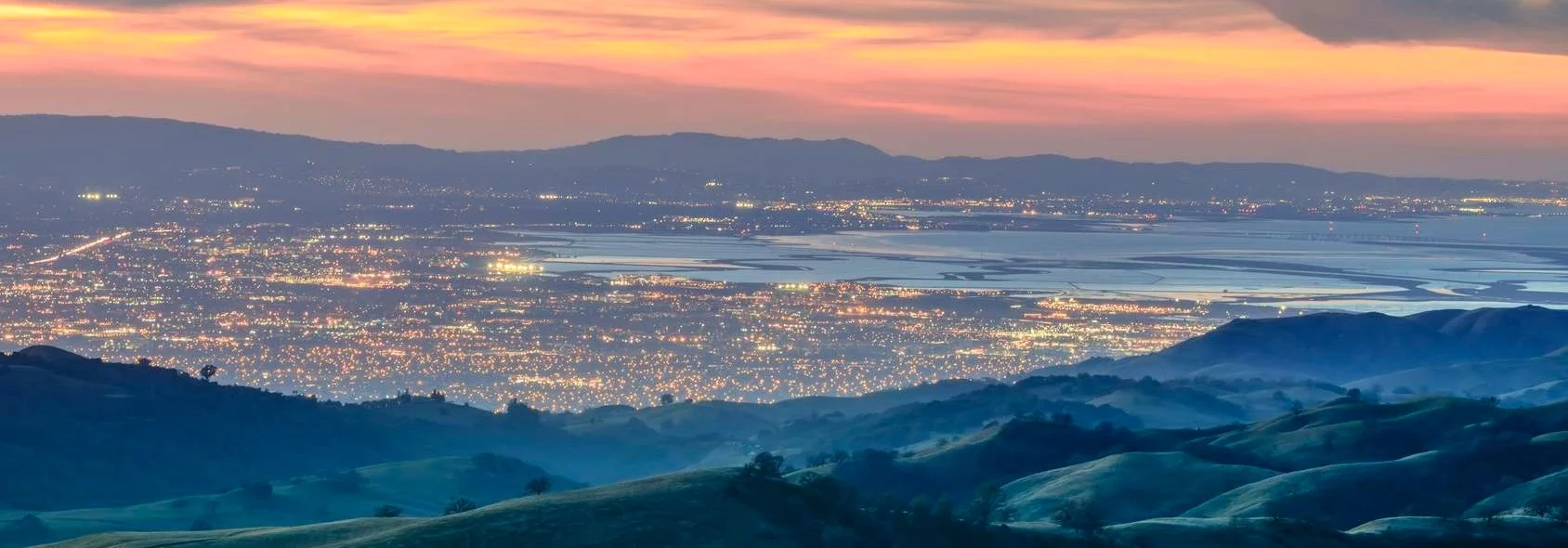
    San Jose, nestled in the heart of Silicon Valley, stands as a beacon of innovation and technological prowess. This blog post delves into San Jose’s significance as an economic epicenter within Silicon Valley, highlighting its thriving tech industry, entrepreneurial spirit, cultural diversity, and the dynamic ecosystem that fuels its economic growth.

    Introduction to San Jose and Silicon Valley

    San Jose, often referred to as the “Capital of Silicon Valley,” is renowned for its concentration of technology companies, startups, and research institutions. Located in the southern part of the San Francisco Bay Area, San Jose plays a pivotal role in shaping the global tech landscape and driving innovation across various sectors.

    The Tech Industry and Entrepreneurial Spirit

    1. Tech Giants: San Jose is home to numerous tech giants and Fortune 500 companies, including Adobe, Cisco Systems, and eBay. These companies have headquarters or significant operations in the city, contributing to its economic vitality and global influence.
    2. Startup Culture: Silicon Valley’s entrepreneurial ecosystem thrives in San Jose, with a vibrant startup culture and incubators like The Tech Museum of Innovation and Plug and Play Tech Center fostering innovation and collaboration among emerging tech companies.

    San Jose Tech Titans: Exploring Silicon Valley's Economic Epicenter
    San Jose Tech Titans: Exploring Silicon Valley’s Economic Epicenter

    Cultural Diversity and Global Impact

    1. Multicultural Hub: San Jose’s population is diverse, reflecting a blend of cultures and ethnicities from around the world. This cultural richness enhances creativity, global perspectives, and cross-cultural exchanges within the city’s tech community.
    2. Global Reach: Silicon Valley’s innovations, pioneered in San Jose, have global implications across industries such as information technology, biotechnology, clean energy, and aerospace. The city’s tech titans continue to drive advancements that shape the future of technology worldwide.

    Education and Research Institutions

    1. Higher Education: San Jose is home to San Jose State University (SJSU), a leading public university known for its engineering, business, and computer science programs. SJSU plays a crucial role in educating the next generation of tech leaders and fostering collaboration with industry partners.
    2. Research and Development: The proximity to world-class research institutions, including Stanford University and UC Berkeley, facilitates collaboration and innovation in cutting-edge technologies, ranging from artificial intelligence to renewable energy solutions.

    Economic Impact and Urban Development

    1. Economic Hub: San Jose’s tech industry drives economic growth, job creation, and investment in infrastructure and urban development projects. The city’s strategic location, coupled with its business-friendly environment, attracts global talent and investment capital.
    2. Urban Revitalization: Downtown San Jose is undergoing a revitalization with new residential developments, cultural amenities, and transportation infrastructure improvements aimed at enhancing the quality of life for residents and attracting tech professionals to the city center.

    Conclusion

    San Jose stands at the forefront of Silicon Valley’s economic epicenter, embodying innovation, entrepreneurship, and technological advancement. As a hub for tech titans, startups, and research institutions, San Jose continues to shape the future of technology and drive global progress, solidifying its position as a leader in the global tech ecosystem.
  • California’s Golden Lure

    California’s Golden Lure

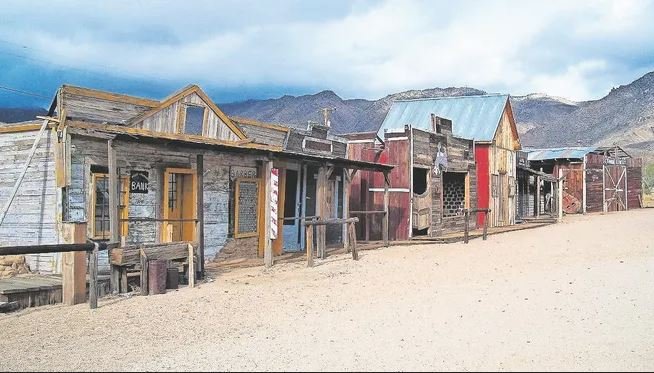
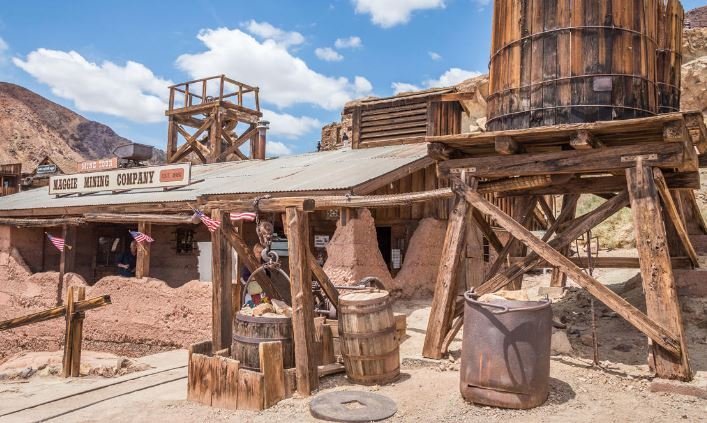
    California’s history is intertwined with the Gold Rush, a period of frenetic exploration and economic boom. Prospectors flocked to the state in the mid-19th century, chasing dreams of riches and leaving behind a legacy of fascinating mining towns. Today, these towns, often transformed into ghost towns or state parks, offer a glimpse into California’s past and the chance to unearth lost treasures – not of gold, but of history, adventure, and scenic beauty. So, grab your sense of adventure and a spirit of exploration – it’s time to delve into the captivating world of California’s mining towns!

    California's Golden Lure
    California’s Golden Lure

    Echoes of the Gold Rush

    Bodie, located in Mono County, is perhaps California’s most famous ghost town. Once a bustling mining center with a population exceeding 10,000, Bodie is now a hauntingly beautiful collection of abandoned buildings. Wander down dirt streets lined with wooden structures, many preserved in a state of arrested decay. Peer into the windows of saloons, general stores, and homes, imagining the lives that unfolded within these walls. Bodie offers a unique opportunity to step back in time and experience the raw spirit of the Gold Rush era.

    Malakoff Diggins State Historic Park

    Malakoff Diggins State Historic Park, nestled in the foothills of the Sierra Nevada mountains, tells a different story of California’s mining past. This park showcases the era of hydraulic mining, a powerful technique that revolutionized gold extraction but also devastated the landscape. Explore the massive scars left by hydraulic mining equipment and wander through remnants of the once-thriving town of North Bloomfield. The park offers a fascinating glimpse into the technological advancements and environmental consequences of the Gold Rush.

    Empire of Gold

    Grass Valley and Nevada City, nestled in Nevada County, offer a charming blend of Gold Rush history and modern-day vibrancy. These towns, unlike Bodie, never became ghost towns and instead transitioned into thriving communities. Explore historic buildings like the Nevada County Courthouse and the Empire Mine State Historic Park, a former gold mine now showcasing the harsh realities of miners’ lives. Stroll down Main Streets lined with art galleries, antique shops, and inviting restaurants, soaking up the towns’ unique character.

    Columbia State Historic Park and Coloma

    Columbia State Historic Park, another gem in California’s Gold Country, is a living history museum. Step back in time as costumed interpreters reenact life during the Gold Rush era. Explore restored buildings like blacksmith shops, saloons, and general stores, and witness demonstrations of traditional gold mining techniques. For a truly immersive experience, spend the night in a historic hotel or take a ride on a horse-drawn carriage. Further south, in Coloma, visit Sutter’s Mill, the very spot where James Marshall discovered gold in 1848, sparking the Gold Rush frenzy.

    Panning for Gold and Metal Detecting

    While the vast gold deposits of the 1800s may be gone, there’s still a chance to experience the thrill of the hunt. Many California mining towns offer opportunities for panning for gold. Panning for gold flakes in a riverbed is a fun and educational activity, especially for families. For a more serious attempt at uncovering hidden treasures, consider metal detecting. Research local regulations and obtain any necessary permits before embarking on your metal detecting adventure. Remember, the real treasures lie in the history, stories, and scenic beauty of these bygone mining towns.

    Conclusion

    California’s mining towns offer a captivating glimpse into the state’s past, a chance to connect with the stories of those who chased dreams of gold. Whether you’re a history buff, an adventurer, or simply seeking a unique travel experience, these towns offer something for everyone. So, pack your walking shoes, a sense of curiosity, and embark on a journey through time to unearth the lost treasures of California’s mining towns.

  • San Diego’s Historic Theaters: Where Drama Meets California’s Past

    San Diego’s Historic Theaters: Where Drama Meets California’s Past

    San Diego, known for its sunny beaches and vibrant cultural scene, is home to several historic theaters that embody the city’s rich theatrical heritage. This blog post explores the charm, history, and significance of San Diego’s historic theaters, showcasing their architectural beauty, cultural impact, and the timeless dramas that have unfolded within their walls.

    Introduction to San Diego’s Theatrical Legacy

    San Diego’s theatrical history dates back to the late 19th century, with theaters playing a pivotal role in the city’s cultural evolution. From vaudeville stages to grand movie palaces, these historic venues have entertained generations of San Diegans and visitors alike, preserving the magic of live performance.

    Theatrical Landmarks and Architectural Beauty

    1. The Balboa Theatre: Opened in 1924, the Balboa Theatre is a celebrated landmark in downtown San Diego. Designed in Spanish Colonial Revival style, the theater originally hosted vaudeville acts and silent films. After extensive restoration, it continues to showcase a variety of performances, from concerts to Broadway shows.
    2. The Old Globe Theatre: Located in Balboa Park, the Old Globe Theatre is a renowned institution known for its Shakespearean productions and world-class theater. Founded in 1935, the theater has earned international acclaim and remains a cultural hub for theatrical innovation and artistic excellence.
    San Diego's Historic Theaters: Where Drama Meets California's Past
    San Diego’s Historic Theaters: Where Drama Meets California’s Past

    Cultural Impact and Community Engagement

    1. The San Diego Repertory Theatre: Established in 1976, the San Diego Repertory Theatre is dedicated to producing diverse and thought-provoking plays that reflect the city’s multicultural identity. Located in downtown San Diego, the theater promotes social dialogue and artistic expression through its performances and outreach programs.
    2. The Spreckels Theatre: Built in 1912, the Spreckels Theatre is an architectural gem in the heart of San Diego’s historic Gaslamp Quarter. Known for its elegant Beaux-Arts style and acoustics, the theater has hosted a wide range of performances, including opera, ballet, and musical concerts.

    Historic Preservation and Cultural Heritage

    1. Preservation Efforts: San Diego’s historic theaters benefit from ongoing preservation efforts aimed at maintaining their architectural integrity and historical significance. These efforts ensure that future generations can continue to enjoy the cultural richness and artistic legacy of these iconic venues.
    2. Cultural Events and Festivals: Theaters in San Diego play a central role in the city’s vibrant arts scene, hosting annual festivals, community events, and educational programs that celebrate theater, music, and performing arts.

    Conclusion

    San Diego’s historic theaters are more than just venues for entertainment; they are living monuments to the city’s cultural heritage and artistic vitality. Whether attending a classic play at the Old Globe Theatre or experiencing a contemporary performance at the Balboa Theatre, visitors can immerse themselves in the timeless drama and artistic expression that define San Diego’s theatrical landscape.

  • Supporting Sustainable Tourism in California

    Supporting Sustainable Tourism in California

    California celebrated for its breathtaking natural landscapes and rich cultural tapestry, stands as a premier destination for travellers worldwide. From the majestic shores of its Pacific coastline to the towering peaks of its Sierra Nevada mountains, California offers an array of diverse attractions that captivate the imagination. To safeguard the integrity of its environment and heritage, it is imperative to embrace and promote sustainable tourism practices throughout the state. By fostering a commitment to sustainability, visitors and locals alike can ensure that California’s natural beauty and cultural treasures endure for generations to come. Let’s get into ways to support sustainable tourism in California.

    How to Support Sustainable Tourism in California

    Choose Eco-Friendly Accommodations

    When selecting where to stay in California, opt for accommodations that prioritize sustainability. Look for hotels or lodges that have obtained green certifications such as LEED (Leadership in Energy and Environmental Design) or certifications from organizations like Green Key or EarthCheck. These certifications ensure that the property meets certain environmental standards, such as energy efficiency, water conservation, waste reduction, and use of renewable energy sources.

    Men and women Supporting Sustainable Tourism in California
    Supporting Sustainable Tourism in California

    Eco-friendly accommodations often implement practices such as:

    • Energy Efficiency: Using energy-saving appliances, LED lighting, and renewable energy sources like solar or wind power to reduce their carbon footprint.
    • Water Conservation: Installing low-flow fixtures, water-saving toilets, and implementing towel and linen reuse programs to minimize water usage.
    • Waste Reduction: Implementing recycling programs, composting organic waste, and reducing single-use plastics and packaging.

    Choosing accommodations with these practices not only reduces your environmental impact but also supports businesses that are committed to sustainability and responsible tourism practices.

    Travel Responsibly

    To minimize your carbon footprint while travelling around California, consider using public transportation, cycling, or walking whenever possible. Many cities in California have extensive public transportation networks, including buses, trams, and trains, which are often more environmentally friendly than driving a personal vehicle.

    If you need to rent a vehicle, opt for a hybrid or electric car to reduce emissions. These vehicles use less fuel and produce fewer greenhouse gases compared to traditional gasoline or diesel-powered cars. Additionally, car rental companies increasingly offer eco-friendly vehicle options to cater to environmentally conscious travellers.

    Support Local Businesses

    Supporting local businesses is crucial for sustainable tourism in California as it helps stimulate the local economy and reduce the environmental impact associated with imported goods and services. When dining out, choose restaurants that source ingredients locally and sustainably. Look for eateries that highlight farm-to-table practices or seafood sourced from sustainable fisheries.

    Shopping at local markets and stores not only provides authentic cultural experiences but also supports artisans and small businesses within the community. Purchasing locally made products reduces the carbon footprint associated with transporting goods long distances and promotes traditional craftsmanship.

    Respect Wildlife and Nature

    California boasts diverse ecosystems, from coastal areas to forests and deserts, each supporting unique wildlife and plant species. When exploring nature reserves, national parks, or wilderness areas, adhere to responsible wildlife viewing practices. Keep a safe distance from wildlife to avoid disturbing their natural behaviour and never feed wild animals, as it can lead to dependency on humans and alter their natural diet.

    Stick to designated trails and pathways to minimize trampling of sensitive vegetation and habitats. By respecting wildlife and nature, visitors contribute to the preservation of California’s natural biodiversity and ensure future generations can enjoy these pristine environments.

    Reduce, Reuse, Recycle

    Practising the three Rs — reduce, reuse, and recycle — is essential for minimizing waste generation and promoting sustainability. Carry a reusable water bottle and refill it from water fountains or water stations to reduce plastic bottle waste. Similarly, bring a reusable shopping bag for souvenirs and groceries to minimize the use of single-use plastic bags.

    When disposing of waste, separate recyclables such as paper, plastic, glass, and aluminium according to local recycling guidelines. Many accommodations and public spaces in California provide recycling bins alongside trash bins, making it easy for travellers to dispose of waste responsibly.

    Conserve Water

    Water conservation is critical in California, where droughts are a recurring challenge. Visitors can contribute to water conservation efforts by taking shorter showers, turning off taps when brushing teeth or shaving, and reporting any leaks or water waste to hotel or rental property management.

    Many eco-friendly accommodations in California implement water-saving initiatives such as installing low-flow showerheads and toilets, using drought-tolerant landscaping, and collecting rainwater for irrigation. By practising water conservation during your stay, you help preserve California’s precious water resources for local communities and ecosystems.

    Conclusion

    By volunteering your time and effort, you help protect California’s natural landscapes, wildlife habitats, and coastal areas from environmental degradation. It’s also a meaningful way to connect with local communities and gain a deeper appreciation for the importance of sustainable tourism practices.

  • San Francisco Urban Gardens: The Green Heartbeat of the City

    San Francisco Urban Gardens: The Green Heartbeat of the City

    San Francisco, renowned for its iconic skyline and cultural diversity, also boasts a thriving urban gardening scene that enhances the city’s green spaces and community spirit. This blog post explores the vibrant world of urban gardens in San Francisco, highlighting their cultural significance, community impact, sustainable practices, and the unique experiences they offer to residents and visitors alike.

    Introduction to San Francisco’s Urban Gardens

    San Francisco’s urban gardens are more than just spaces for growing plants; they serve as hubs of community engagement, environmental stewardship, and urban renewal. From rooftop gardens to community plots, these green oases contribute to the city’s sustainability goals and provide opportunities for residents to connect with nature in an urban setting.

    Cultural Significance and Community Impact

    1. Historical Roots: San Francisco’s urban gardening movement has deep historical roots, dating back to the Victory Gardens of World War II and the city’s tradition of community activism. Today, urban gardens continue to reflect diverse cultural influences and promote local food production.
    2. Community Engagement: Urban gardens serve as gathering places where residents can volunteer, participate in gardening workshops, and socialize with neighbors. They foster a sense of belonging and empowerment, encouraging community members to take an active role in shaping their urban environment.
    San Francisco Urban Gardens: The Green Heartbeat of the City
    San Francisco Urban Gardens: The Green Heartbeat of the City

    Sustainable Practices and Environmental Benefits

    1. Urban Agriculture: Many San Francisco urban gardens practice sustainable agriculture techniques, such as composting, rainwater harvesting, and organic gardening methods. These practices reduce environmental impact and promote biodiversity within urban ecosystems.
    2. Green Infrastructure: Urban gardens contribute to the city’s green infrastructure by improving air quality, mitigating urban heat island effects, and providing habitats for pollinators and wildlife. They play a crucial role in urban resilience and climate adaptation efforts.

    Unique Urban Garden Experiences

    1. Rooftop Gardens: Some of San Francisco’s iconic buildings and hotels feature rooftop gardens that offer panoramic views of the city skyline while showcasing innovative gardening techniques and sustainable design.
    2. Community Gardens: Community-managed gardens, such as Hayes Valley Farm and the Alemany Farm, provide residents with access to fresh produce, educational programs, and opportunities for community building through shared gardening activities.

    Preserving San Francisco’s Green Heritage

    1. Conservation Efforts: Urban gardens contribute to preserving San Francisco’s green heritage by repurposing vacant lots, revitalizing underutilized spaces, and promoting urban biodiversity.
    2. Public Parks and Green Spaces: San Francisco’s public parks, such as Golden Gate Park and Dolores Park, feature botanical gardens, native plant exhibits, and recreational areas that complement the city’s urban gardening initiatives.

    Conclusion

    San Francisco’s urban gardens are the green heartbeat of the city, fostering community resilience, environmental stewardship, and cultural diversity. Whether exploring rooftop gardens with stunning city views or volunteering at community plots, residents and visitors alike can experience the transformative power of urban gardening in shaping sustainable cities for future generations.

  • The Best Beaches for a Bonfire in California

    The Best Beaches for a Bonfire in California

    California, the land of endless sunshine, crashing waves, and golden sands, offers the quintessential beach experience – complete with crackling bonfires under a starlit sky. Whether you’re a seasoned beachgoer or a first-time visitor, cozying up by a beach bonfire in California is a must-do activity. From roasting marshmallows to sharing stories with friends and family, a bonfire adds a touch of magic to any beach trip. So, grab your firewood, blankets, and beach essentials – it’s time to explore the best beaches for a bonfire in California!

    The Best Beaches for a Bonfire in California
    The Best Beaches for a Bonfire in California

     Endless Summer Bonfire Bliss

    Southern California boasts a plethora of beaches perfect for a bonfire experience. Dockweiler Beach in Los Angeles, with its iconic backdrop of LAX airplanes taking flight, offers numerous fire rings and a lively atmosphere. Huntington Beach, a surfer’s paradise, also features abundant fire pits along its expansive shoreline. For a more secluded vibe, head to Corona del Mar State Beach in Newport Beach. This picturesque beach offers designated fire rings and stunning views of the Pacific Ocean. Remember, Southern California beaches tend to get crowded, so arriving early to snag a fire pit is essential.

    Campfire Bliss with Breathtaking Views

    California’s Central Coast offers a unique selection of beaches perfect for bonfires. Pismo Beach, known for its pristine sands and iconic Monarch butterflies, features fire rings scattered along the shore. Just north, Carmel Beach provides a touch of elegance with its fire pits nestled amidst the picturesque white sand and cypress trees. If you’re looking for a truly unique experience, head to Morro Bay State Park. Here, you can enjoy a bonfire right on the beach with Morro Rock, a towering volcanic plug, as your majestic backdrop. Central Coast beaches offer a relaxed atmosphere and breathtaking scenery, making them ideal for a bonfire getaway.

    Campfires Under the Redwoods

    Northern California offers a distinctive bonfire experience with its dramatic scenery and cooler temperatures. Muir Beach, located near San Francisco, provides fire rings with stunning views of the Pacific Ocean and the Marin Headlands. As the sun dips below the horizon, towering redwood trees create a magical ambiance for your bonfire gathering. For a more rustic experience, Bodega Bay offers fire pits along its sandy shores. Here, you can combine your bonfire with whale watching or exploring the charming coastal town. Northern California beaches provide a sense of adventure and a unique natural beauty, perfect for an unforgettable bonfire night.

     Responsible Bonfire Practices

    While a bonfire adds a touch of magic to your beach trip, it’s crucial to be a responsible fire steward. Always check local regulations regarding fire permits and designated fire areas. Never leave your bonfire unattended, and extinguish it completely before leaving the beach. Use only firewood that is clean and free of debris to minimize smoke and air pollution. Pack out all your trash, leaving the beach cleaner than you found it. By following these simple practices, we can ensure that California’s beautiful beaches remain enjoyable for future generations.

    Beyond the Bonfire

    A bonfire is just one element of an amazing beach experience in California. During the day, soak up the sun, build sandcastles, or take a refreshing dip in the Pacific Ocean. Many beaches offer opportunities for surfing, kayaking, or stand-up paddleboarding. For a unique perspective, explore tide pools teeming with marine life or hike along scenic coastal trails. In the evening, after your bonfire has died down, stargaze under the vast California sky.

    Conclusion

    A beach bonfire in California is more than just burning wood; it’s about creating memories that last a lifetime. The crackling flames, the sound of crashing waves, and the company of loved ones create a truly magical experience. So, gather your friends and family, pack your essentials, and head to one of California’s many incredible beaches. Let the bonfire set the scene for an unforgettable evening under the California sky.

  • Tips for Enjoying California’s Outdoor Concerts

    Tips for Enjoying California’s Outdoor Concerts

    California’s outdoor concerts offer a wonderful blend of music, sunshine, and community spirit. Whether you’re a resident or visiting the Golden State, here are tips to help you make the most of your experience at these lively events. Let’s give you more!

    Enjoying California’s Outdoor Concerts

    Choose the Right Venue

    Select a concert venue that suits your musical tastes and preferences. Consider the ambience and facilities offered to ensure a comfortable and enjoyable outing.

    People  Enjoying California's Outdoor Concert
    Enjoying California’s Outdoor Concerts


    Check the Weather Forecast

    Before heading out, check the weather forecast for the concert day. Dress accordingly to stay comfortable throughout the event.

    Arrive Early for Prime Spot

    Arriving early ensures you can secure a good viewing spot and avoid the last-minute rush. Enjoy the pre-concert atmosphere and settle in before the music begins.

    Pack Essentials

    Bring essentials such as sunscreen, a hat, sunglasses, and a blanket or chair for seating. Stay hydrated by carrying plenty of water and snacks.

    Embrace the Music

    Relax and immerse yourself in the music. Let the melodies and rhythms uplift your spirits and create lasting memories.

    Engage with Fellow Concertgoers

    Strike up conversations with other attendees. Share your enthusiasm for the music and discover new connections in the community.

    Respect the Venue Rules

    Adhere to venue rules regarding smoking, alcohol consumption, and litter disposal. Help maintain a clean and pleasant environment for everyone.

    Capture Moments

    Take photos and videos to capture the highlights of the concert. Share your experience on social media and relive the memories.

    Explore Local Food Options

    Check if the concert allows outside food or explore nearby food stalls and vendors. Sample local cuisine to enhance your concert experience.

    Support Local Artists

    Attend concerts that feature local artists and bands. Show your support for the vibrant music scene in California.

    Plan Transportation

    Plan your transportation in advance. Consider carpooling, public transportation, or ridesharing services to avoid parking hassles.

    Check for Amenities

    Familiarize yourself with available amenities like restrooms, first aid stations, and seating options at the venue.

    Enjoy the Sunset Views

    If the concert takes place during sunset, take a moment to admire the breathtaking views and enjoy the magical ambience.

    Stay Informed

    Stay updated with event schedules, artist lineups, and any last-minute changes. Follow the concert organizer’s social media for real-time updates.

    Respect Others’ Enjoyment

    Be considerate of others around you. Enjoy the music without obstructing views or disrupting fellow concertgoers.

    Listen Mindfully

    Listen attentively to the music. Let yourself be carried away by the live performances and the energy of the crowd.

    Plan Post-Concert Relaxation

    After the concert, unwind and reflect on the experience. Share your favourite moments with friends and family.

    Attend Family-Friendly Events

    Look for family-friendly concerts that welcome children and offer activities for all ages to enjoy.

    Discover New Music

    Explore different genres and discover new music at outdoor concerts. Broaden your musical horizon while enjoying the California sunshine.

    Plan for the Next Concert

    Keep an eye out for upcoming concerts in California. Create a list of events you’d like to attend and plan for future outings.

    Conclusion

    In conclusion, attending outdoor concerts in California is not just about enjoying music but also about embracing community spirit, exploring local culture, and creating lasting memories. By following these tips, you can enhance your concert experience, whether you’re soaking up the sun at a beachside venue or enjoying a starlit evening under California’s clear skies. From planning and respecting venue rules to engaging with fellow concertgoers and supporting local artists, each outing offers a unique opportunity to relax and unwind amidst the vibrant music scene of the Golden State. So, pack your essentials, check the lineup, and get ready to enjoy unforgettable moments at California’s outdoor concerts!

  • A Flavorful Exploration of Ethnic Enclaves

    A Flavorful Exploration of Ethnic Enclaves

    California, a melting pot of cultures and ethnicities, offers a unique culinary experience unlike any other. Beyond the golden beaches and Hollywood glitz lies a hidden treasure trove of flavors waiting to be explored. California’s ethnic enclaves, vibrant neighborhoods brimming with cultural heritage, offer a delicious journey through the diverse cuisines of the world. So, grab your appetite and an adventurous spirit – it’s time to embark on a culinary journey through California’s ethnic enclaves!

    A Flavorful Exploration of Ethnic Enclaves
    A Flavorful Exploration of Ethnic Enclaves

    A Slice of Italy in California

    San Francisco’s North Beach, also known as Little Italy, is a historical enclave brimming with Italian charm and culinary delights. Wander down bustling streets lined with family-owned cafes, trattorias, and bakeries. Indulge in a steaming plate of spaghetti carbonara, savor a wood-fired pizza topped with fresh mozzarella, or grab a cannoli for a sweet ending. Local shops offer a variety of Italian specialties, from cured meats and cheeses to fresh pasta and imported olive oil. Immerse yourself in the lively atmosphere, the melodic Italian chatter, and the intoxicating aromas that fill the air.

    Koreatown’s Buzz: A Fusion Frenzy for Foodies

    Los Angeles’ Koreatown, a vibrant hub of Korean culture, is a haven for food enthusiasts. Korean BBQ reigns supreme here, with restaurants offering an interactive dining experience. Marinated meats sizzle on tabletop grills, allowing you to cook your food to perfection and pair it with an array of flavorful banchan (side dishes). For a lighter option, try bibimbap, a colorful rice bowl with vegetables, meat, and a fried egg, or indulge in a comforting bowl of kimchi jjigae (spicy kimchi stew). Don’t forget to explore the numerous Korean grocery stores, brimming with unique ingredients and pantry staples.

    Little Saigon’s Flavors: A Taste of Vietnamese Delights

    San Jose’s Little Saigon, a thriving Vietnamese community, offers a delicious escape to Southeast Asia. Cozy restaurants serve up steaming bowls of pho, a fragrant noodle soup with meat and fresh herbs. For a lighter option, try goi cuon (fresh spring rolls) filled with vegetables and protein, or banh mi, a crusty baguette stuffed with savory fillings. Don’t miss Vietnamese coffee, strong and condensed with a touch of sweetness. Little Saigon’s bustling markets are a treasure trove of fresh ingredients, from exotic fruits and vegetables to fragrant spices and dried herbs.

    A Spicy Adventure Awaits

    Los Angeles’ Thai Town transports you to the heart of Thailand with its vibrant atmosphere and aromatic cuisine. Restaurants offer a variety of curries – red, green, yellow – each bursting with flavor and spice. Pad thai, a stir-fried noodle dish with vegetables and protein, is a crowd-pleaser. For a refreshing option, try a bowl of tom yum soup, a fragrant broth with lemongrass, galangal, and a spicy kick. Thai Town’s markets are a sensory overload, with colorful displays of fresh produce, fragrant curry pastes, and an array of delicious sweets.

     A Vegetarian Paradise in Artesia

    Artesia, a suburb of Los Angeles, boasts a thriving Indian community offering a delectable culinary adventure. Vegetarian delights abound here, with restaurants serving up flavorful curries, lentil dishes (daal), and savory samosas. Don’t miss dosa, a crispy rice crepe filled with spiced potatoes or vegetables, or aloo gobi, a vegetarian curry with cauliflower and potatoes. Indian sweets, like gulab jamun (syrup-soaked dumplings) and jalebi (deep-fried, pretzel-shaped pastries), are a must-try for those with a sweet tooth. Spice shops fill the air with an intoxicating aroma, offering a variety of whole and ground spices to take your culinary journey home.

    Conclusion

    California’s ethnic enclaves offer a delicious passport to explore the world through your taste buds. From the hearty flavors of Italy to the spicy delights of Southeast Asia, each enclave provides a unique culinary adventure. So, ditch the chain restaurants and delve into the vibrant world of California’s ethnic enclaves. Embrace the cultural experience, connect with local communities, and most importantly, savor the explosion of flavors that await!

  • Best Spas for Relaxation in Palm Springs

    Best Spas for Relaxation in Palm Springs

    Palm Springs is a haven for relaxation seekers, offering a myriad of spas that promise serenity and rejuvenation. Whether you’re a resident or a visitor exploring this desert oasis, discovering the perfect spa for relaxation in Palm Springs is a delightful journey. Let’s give you a curated list of 20 spas where you can unwind and escape the hustle and bustle of everyday life.

    Spas for Relaxation in Palm Springs

    1. Miracle Springs Resort & Spa

    Located in Desert Hot Springs, Miracle Springs Resort & Spa offers therapeutic hot spring pools and a variety of massage treatments that guarantee relaxation in a tranquil environment.

    A Spa for Relaxation in Palm Springs
    Spas for Relaxation in Palm Springs

    2. Two Bunch Palms

    Renowned for its natural mineral waters, Two Bunch Palms provides luxurious spa treatments amidst stunning desert landscapes, ensuring a serene retreat.

    3. Agua Serena Spa at Hyatt Regency Indian Wells Resort

    Nestled in Indian Wells, Agua Serena Spa combines traditional healing techniques with modern amenities, promising a soothing experience.

    4. Sakura Massage Spa

    A hidden gem in Palm Springs, Sakura Massage Spa specializes in Asian-inspired therapies that promote relaxation and rejuvenation.

    5. Sparrows Lodge

    Offering a rustic yet sophisticated atmosphere, Sparrows Lodge is perfect for those seeking a peaceful retreat with personalized spa treatments.

    6. The Spring Resort & Spa

    Known for its natural hot mineral water pools, The Spring Resort & Spa in Desert Hot Springs offers a therapeutic escape in a serene desert setting.

    7. Desert Hot Springs Spa Hotel

    Located in the heart of Desert Hot Springs, this hotel spa provides mineral water pools and a range of wellness treatments for ultimate relaxation.

    8. The Well Spa at Miramonte Resort & Spa

    Set against the Santa Rosa Mountains, The Well Spa offers a variety of massage and beauty treatments in a serene, Mediterranean-inspired environment.

    9. Spa La Quinta at La Quinta Resort & Club

    Surrounded by lush gardens, Spa La Quinta offers a peaceful oasis with outdoor spa suites and a comprehensive menu of relaxing treatments.

    10. Aqua Serena Spa & Salon

    Situated in Palm Desert, Aqua Serena Spa & Salon features a tranquil atmosphere and a diverse range of spa services tailored for relaxation.

    11. Aqua Soleil Hotel & Mineral Water Spa

    Combining mineral-rich waters with therapeutic treatments, Aqua Soleil Hotel & Mineral Water Spa in Desert Hot Springs is ideal for rejuvenation.

    12. Renaissance Esmeralda Resort & Spa

    Located in Indian Wells, this spa offers luxurious treatments designed to soothe the senses and promote relaxation amidst elegant surroundings.

    13. Estrella Spa at Avalon Hotel

    Estrella Spa at Avalon Hotel in Palm Springs specializes in holistic therapies that restore balance and enhance overall well-being.

    14. Elements Spa at Hilton Palm Springs

    Elements Spa provides a sanctuary in downtown Palm Springs with a range of massage therapies and skincare treatments for relaxation.

    15. Azure Spa at Riviera Palm Springs

    Azure Spa at Riviera Palm Springs offers a serene escape with its extensive menu of treatments, including massages and body wraps.

    16. The Spa at JW Marriott Desert Springs Resort & Spa

    Known for its expansive facilities and luxurious treatments, The Spa at JW Marriott Desert Springs Resort & Spa ensures a rejuvenating experience.

    17. SpaTerre at Riviera Palm Springs

    Inspired by global wellness traditions, SpaTerre offers unique treatments that combine relaxation with cultural healing practices.

    18. L’Horizon Resort & Spa

    This boutique hotel in Palm Springs features a spa that offers personalized treatments in a private, intimate setting for ultimate relaxation.

    19. Azure Palm Hot Springs Resort & Day Spa

    Azure Palm Hot Springs Resort & Day Spa offers natural mineral water pools and treatments in a serene desert retreat setting.

    20. Arrive Palm Springs

    Arrive Palm Springs features a spa that focuses on holistic wellness, offering a range of treatments aimed at relaxation and rejuvenation.

  • Seismic Spotlight: Earthquakes and California’s Geologic Tapestry

    Seismic Spotlight: Earthquakes and California’s Geologic Tapestry

    California, known for its stunning landscapes and cultural diversity, is also renowned for its seismic activity and geologic complexity. This blog post explores the fascinating world of earthquakes in California, their geological causes, historical impacts, seismic monitoring efforts, and the resilience of communities living in earthquake-prone regions.

    Geologic Tapestry of California

    1. Tectonic Plate Boundaries: California sits at the juncture of several tectonic plates, including the Pacific Plate and the North American Plate. The movement and interaction of these plates create fault lines and geological features that contribute to California’s seismic activity.
    2. Fault Systems: The San Andreas Fault is perhaps the most famous fault system in California, stretching roughly 800 miles through the state. Other significant faults include the Hayward Fault, the San Jacinto Fault, and the Calaveras Fault, each capable of producing significant earthquakes.

    Understanding Earthquakes

    1. Seismic Waves: Earthquakes occur when stress accumulated along fault lines is released, generating seismic waves that propagate through the Earth’s crust. The intensity and magnitude of earthquakes are measured using instruments such as seismometers and the Richter scale.
    2. Magnitude and Impact: California has experienced some of the most powerful earthquakes in U.S. history, including the 1906 San Francisco earthquake and the 1994 Northridge earthquake. These events have shaped urban planning, building codes, and emergency preparedness in earthquake-prone areas.
    Seismic Spotlight: Earthquakes and California's Geologic Tapestry
    Seismic Spotlight: Earthquakes and California’s Geologic Tapestry

    Seismic Monitoring and Preparedness

    1. Seismic Networks: California is equipped with a network of seismic monitoring stations operated by organizations such as the U.S. Geological Survey (USGS) and the California Geological Survey (CGS). These stations track earthquake activity in real-time and provide early warning systems to mitigate impacts.
    2. Emergency Preparedness: Communities across California participate in earthquake preparedness drills, public education campaigns, and retrofitting initiatives to enhance building resilience and reduce the risk of damage during seismic events.

    Geological Heritage and Resilience

    1. Natural Landscapes: Despite the risks posed by earthquakes, California’s diverse landscapes, from towering mountains to scenic coastlines, owe their formation to geological processes over millions of years. National parks and geological landmarks showcase California’s geologic heritage and natural beauty.
    2. Community Resilience: Californians have developed a culture of resilience in response to earthquakes, emphasizing safety, preparedness, and community support. Local initiatives, earthquake-resistant building designs, and infrastructure improvements contribute to minimizing risks and enhancing recovery efforts.

    Conclusion

    California’s seismic spotlight highlights the dynamic interplay between geological forces, seismic hazards, and community resilience. As a gateway to understanding Earth’s geological evolution and the impact of earthquakes on society, California’s geologic tapestry offers insights into the state’s rich natural heritage and ongoing efforts to mitigate seismic risks.