Category: California

  • Mountain View Mavericks: The Impact of Tech Giants on Silicon Valley

    Mountain View Mavericks: The Impact of Tech Giants on Silicon Valley

    Mountain View, nestled in the heart of Silicon Valley, is not just a city but a symbol of innovation, entrepreneurship, and the global tech industry’s evolution. This blog post delves into the profound impact of tech giants on Mountain View and the broader Silicon Valley, exploring their history, contributions, challenges, and cultural influence.

    The Rise of Silicon Valley

    Silicon Valley’s journey from orchards and farmlands to the epicenter of the global tech industry began in the mid-20th century. Factors such as proximity to leading universities like Stanford, a culture of entrepreneurship, and government investment in research and development paved the way for the region’s rapid technological advancement.

    1. Stanford University: Stanford’s pivotal role in Silicon Valley’s genesis cannot be overstated. The university has produced countless tech entrepreneurs and innovators who have shaped the industry’s landscape.
    2. Fairchild Semiconductor: Founded in Mountain View in 1957, Fairchild Semiconductor was one of the first companies to establish Silicon Valley as a hub for semiconductor technology. Its founders, often referred to as the “Traitorous Eight,” later went on to found numerous other tech companies.

    Tech Giants in Mountain View

    Mountain View has become synonymous with some of the world’s most influential tech companies, each leaving an indelible mark on the region’s economy, culture, and technological advancements.

    Mountain View Mavericks: The Impact of Tech Giants on Silicon Valley
    Mountain View Mavericks: The Impact of Tech Giants on Silicon Valley
    1. Google: Founded in 1998 by Larry Page and Sergey Brin, Google (now Alphabet Inc.) has its global headquarters in Mountain View, known as the Googleplex. The company’s innovations in search technology, advertising, cloud computing, and artificial intelligence have reshaped the internet and digital economy.
    2. NASA Ames Research Center: Located adjacent to Mountain View, NASA Ames has been a hub for cutting-edge research and development in aerospace, space exploration, and emerging technologies. Collaborations between NASA and Silicon Valley tech companies have driven innovations in robotics, space missions, and planetary exploration.

    Cultural and Economic Impact

    The presence of tech giants like Google in Mountain View has had far-reaching effects on the city’s cultural landscape, economy, and community dynamics.

    1. Economic Growth: Tech companies in Mountain View have fueled economic growth, creating jobs, attracting talent from around the world, and stimulating local businesses and real estate development.
    2. Cultural Diversity: The influx of tech workers from diverse backgrounds has enriched Mountain View’s cultural tapestry, contributing to a vibrant community that celebrates innovation, creativity, and global perspectives.
    3. Challenges of Growth: Rapid economic growth and development have also posed challenges, including housing affordability issues, traffic congestion, and strains on infrastructure. Efforts to address these challenges through sustainable urban planning and community engagement are ongoing.

    Innovation and Collaboration

    Mountain View’s tech giants are not just leaders in their respective fields but also pioneers of collaboration, innovation, and corporate responsibility.

    1. Research and Development: Companies like Google invest heavily in research and development, driving innovations in artificial intelligence, machine learning, autonomous vehicles, and renewable energy technologies.
    2. Community Engagement: Tech giants in Mountain View actively engage with the local community through philanthropy, educational programs, and initiatives that support small businesses, startups, and underrepresented groups in technology.

    Future Directions

    Looking ahead, Mountain View and Silicon Valley continue to evolve as global centers of innovation, entrepreneurship, and technological advancement.

    1. Sustainability Initiatives: Tech companies in Mountain View are leading efforts to promote sustainability through renewable energy projects, green building initiatives, and environmental stewardship programs.
    2. Next-Generation Technologies: Advances in quantum computing, biotechnology, virtual reality, and clean technology are expected to drive the next wave of innovation in Silicon Valley, with Mountain View at the forefront of groundbreaking research and development.

    Conclusion

    Mountain View’s tech giants have not only shaped the landscape of Silicon Valley but have also transformed global industries, revolutionized communication, and empowered individuals worldwide. As the city continues to embrace innovation, collaboration, and cultural diversity, Mountain View remains a beacon of technological innovation and a testament to the power of entrepreneurial spirit and forward-thinking leadership in the digital age.

  • Craft Beer Culture: California’s Liquid Revolution

    Craft Beer Culture: California’s Liquid Revolution

    Craft beer culture in California represents a liquid revolution, blending creativity, tradition, and innovation into a thriving industry that celebrates local flavors and community spirit. This blog post explores the rich tapestry of California’s craft beer scene, from its historical roots to its modern-day resurgence, highlighting key breweries, brewing styles, and the cultural impact of craft beer on the Golden State.

    Historical Roots of Craft Beer in California

    California has deep historical roots in brewing, dating back to the Gold Rush era when immigrants brought their brewing traditions from around the world. However, it was not until the late 20th century that the craft beer movement gained momentum in the state. Influenced by the pioneering efforts of homebrewers and small-scale breweries, California emerged as a hub of innovation and experimentation in brewing.

    1. Anchor Brewing Company: Founded in San Francisco in 1896, Anchor Brewing is credited with sparking the craft beer revival in California. The brewery’s commitment to traditional brewing methods and quality ingredients laid the foundation for the modern craft beer movement.
    2. Sierra Nevada Brewing Co.: Established in Chico in 1980, Sierra Nevada is renowned for its pioneering role in American craft brewing. The brewery’s flagship beer, Sierra Nevada Pale Ale, became a symbol of the West Coast style with its bold hop flavors and balanced bitterness.

    Diversity of Craft Breweries

    California boasts a diverse and vibrant craft beer scene, with breweries ranging from small, family-owned operations to larger regional players. Each brewery contributes to the state’s reputation for innovation and quality in brewing.

    1. Russian River Brewing Company: Located in Santa Rosa, Russian River is famous for its innovative approach to brewing hop-forward beers and its cult-favorite Pliny the Elder double IPA. The brewery’s commitment to quality and experimentation has earned it a loyal following.
    2. Stone Brewing: Founded in San Diego in 1996, Stone Brewing is known for its bold, aggressive beers that push the boundaries of traditional brewing styles. The brewery’s Arrogant Bastard Ale and Stone IPA are iconic examples of West Coast craft brewing.
    3. The Bruery: Based in Orange County, The Bruery is celebrated for its creative and experimental approach to brewing, specializing in barrel-aged and sour beers. The brewery’s dedication to craftsmanship and innovation has earned it numerous awards and accolades.
    Craft Beer Culture: California's Liquid Revolution
    Craft Beer Culture: California’s Liquid Revolution

    Brewing Styles and Innovations

    California craft breweries are renowned for their diversity of brewing styles, from classic ales and lagers to innovative creations that push the boundaries of flavor and technique.

    1. West Coast IPA: Characterized by its bold hop flavors, piney aromas, and pronounced bitterness, the West Coast IPA is a quintessential style that originated in California. Breweries like Ballast Point and Lagunitas helped popularize this style, influencing brewers worldwide.
    2. Barrel-Aged Beers: Many California breweries specialize in barrel-aged beers, which are aged in oak barrels previously used for wine, bourbon, or other spirits. The aging process imparts complex flavors of vanilla, oak, and spice, adding depth and character to the beer.
    3. Sour and Wild Ales: Breweries like The Rare Barrel in Berkeley and Almanac Beer Co. in San Francisco are known for their sour and wild ales, which undergo fermentation with wild yeast strains and bacteria. These beers exhibit tart acidity, fruity flavors, and a rustic character.

    Cultural Impact and Community Engagement

    Craft beer culture in California extends beyond brewing to encompass community engagement, culinary exploration, and cultural exchange.

    1. Local Ingredients: Many California breweries emphasize using locally sourced ingredients, such as hops from the Pacific Northwest, fruit from California orchards, and honey from local beekeepers. This commitment to locality enhances the beer’s terroir and supports regional agriculture.
    2. Beer Festivals and Events: California hosts numerous beer festivals and events throughout the year, showcasing the state’s diverse breweries and providing opportunities for beer enthusiasts to sample new releases and interact with brewers.
    3. Collaborations and Partnerships: Collaboration beers between breweries, chefs, and local artisans foster creativity and innovation within the craft beer community. These collaborations often result in unique beer styles that reflect California’s culinary diversity and spirit of collaboration.

    Sustainability and Responsible Brewing Practices

    California craft breweries are committed to sustainability and responsible brewing practices, including water conservation, energy efficiency, and waste reduction initiatives.

    1. Water Conservation: Breweries implement water-saving technologies and practices to reduce their environmental footprint and protect California’s precious water resources.
    2. Energy Efficiency: Many breweries use renewable energy sources, such as solar power, to minimize their energy consumption and carbon emissions.
    3. Community Engagement: Breweries engage with local communities through philanthropy, education programs, and partnerships with nonprofit organizations, demonstrating their commitment to social responsibility.

    Conclusion

    California’s craft beer culture represents a liquid revolution driven by innovation, tradition, and community spirit. From its historical roots in the Gold Rush era to its modern-day resurgence, the state’s breweries continue to push the boundaries of brewing creativity and excellence. Whether you’re savoring a West Coast IPA in San Diego, exploring barrel-aged beers in Napa Valley, or enjoying a sour ale in San Francisco, California’s craft beer scene invites you to discover the diverse flavors, styles, and stories that make it a beacon of brewing innovation on the West Coast. Cheers to California’s liquid revolution!

  • Hiking Adventures in the Golden State’s Mountains

    Hiking Adventures in the Golden State’s Mountains

    California, the land of dazzling coastlines and sprawling deserts, also boasts a majestic crown: its mountain ranges. Crisscrossed by countless trails, these California mountains offer a paradise for hikers and outdoor enthusiasts of all levels. From the granite peaks of the Sierra Nevada to the rugged beauty of the Coast Ranges, California’s mountains promise breathtaking scenery, diverse ecosystems, and unforgettable adventures. So, lace up your boots, grab your backpack, and get ready to explore the hiking trails of California’s mountains!

    Hiking Adventures in the Golden State's Mountains
    Hiking Adventures in the Golden State’s Mountains

    Granite Giants: Conquering the Sierra Nevada

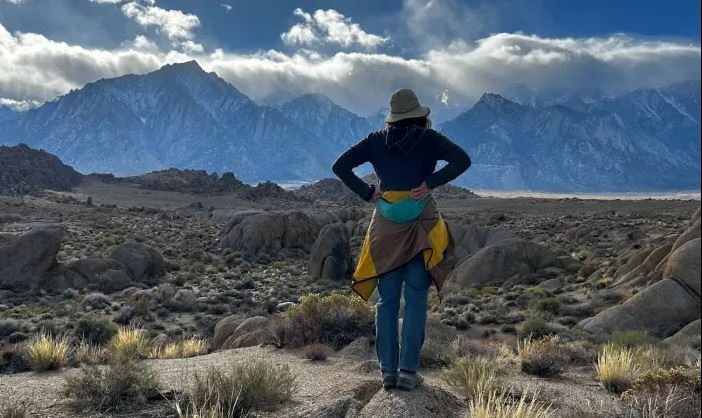
    The Sierra Nevada, a legendary mountain range running along California’s eastern border, is a hiker’s dream. Mount Whitney, the highest peak in the contiguous United States, sits proudly within this range, challenging experienced climbers. For those seeking a more moderate challenge, the John Muir Trail offers a scenic 211-mile trek through stunning wilderness. Yosemite National Park, a UNESCO World Heritage Site, is another Sierra Nevada gem, featuring iconic landmarks like Half Dome and El Capitan, alongside numerous hiking trails for all abilities.

    Volcanic Majesty: Exploring the Cascade Range

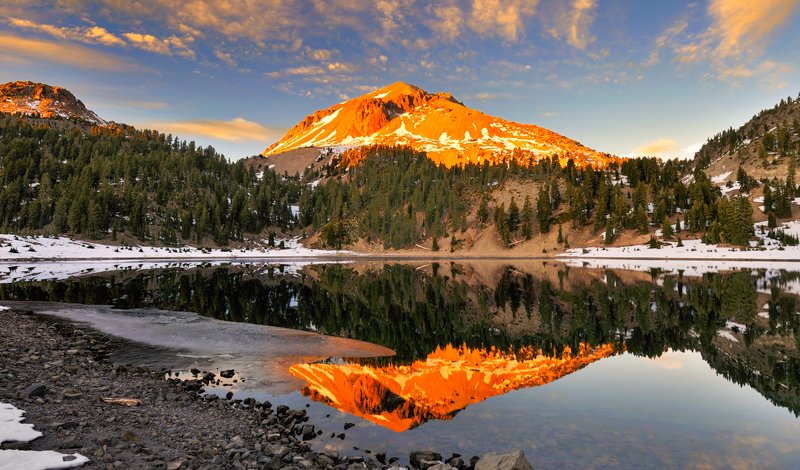
    California’s northern border is adorned by the Cascade Range, a chain of volcanic peaks offering a unique hiking experience. Mount Shasta, a dormant volcano towering over 14,000 feet, is a popular destination for experienced hikers and a sight to behold from afar. Lassen Volcanic National Park, with its geothermal wonders and volcanic landscapes, offers stunning hikes through a fascinating ecosystem. For a more leisurely experience, explore the McCloud Falls Trail, leading to a cascading waterfall surrounded by lush forests.

    Coastal Gems: Hiking the Picturesque Coast Ranges

    California’s coastline isn’t just about beaches; the Coast Ranges that hug the shore offer stunning hikes with panoramic ocean views. Point Reyes National Seashore boasts dramatic cliffs, hidden coves, and a diverse array of plant and animal life. The Mount Tamalpais State Park, overlooking the San Francisco Bay Area, provides a network of trails for all levels, with spectacular views of the city and the Golden Gate Bridge. For a unique coastal experience, embark on a hike through Redwood National and State Parks, marveling at the towering redwood trees, some of the tallest living organisms on Earth.

    Desert Delights: Trekking Through the Southern California Mountains

    California’s southern region boasts a unique mountain landscape. Joshua Tree National Park, with its otherworldly rock formations and Joshua trees, offers a variety of hikes perfect for exploring the Mojave Desert’s beauty. Death Valley National Park, known for its extreme temperatures, also features trails for intrepid hikers, leading to stunning overlooks and hidden oases. For a more moderate challenge, explore the trails around Mount Laguna, offering scenic hikes with breathtaking views of the surrounding mountains and valleys.

    Planning Your California Mountain Adventure: Essential Tips

    Before embarking on your California mountain hike, be sure to research the specific trail you plan to conquer. Choose a trail that matches your skill level and physical fitness. Always check the weather conditions before heading out and dress appropriately in layers. Pack plenty of water, snacks, and sunscreen, and be sure to leave no trace behind by properly disposing of waste. Consider informing someone of your hiking plans and estimated return time. With a little preparation and a sense of adventure, you’re guaranteed an unforgettable experience exploring California’s majestic mountains.

    Conclusion

    California’s mountain ranges offer a haven for hikers seeking adventure, breathtaking scenery, and a chance to reconnect with nature. Whether you’re a seasoned climber or a casual explorer, there’s a California mountain hike waiting for you. So, lace up your boots, grab your sense of adventure, and get ready to conquer the peaks and discover the magic that awaits in California’s mountains!

  • Central Valley Water Crisis: Addressing California’s Environmental Challenge

    Central Valley Water Crisis: Addressing California’s Environmental Challenge

    California’s Central Valley, often referred to as the nation’s breadbasket, faces a significant water crisis that poses profound challenges to its agricultural industry, ecosystem health, and local communities. This blog post explores the complex issues surrounding the Central Valley water crisis, including its causes, impacts, ongoing efforts to address the crisis, and the importance of sustainable water management practices for the region’s future.

    Understanding the Central Valley

    Spanning approximately 450 miles from north to south, California’s Central Valley is one of the most productive agricultural regions in the world. It is divided into two main sections: the Sacramento Valley to the north and the San Joaquin Valley to the south. The fertile soils and Mediterranean climate of the Central Valley support a diverse array of crops, including fruits, vegetables, nuts, and dairy products. Agriculture in the Central Valley contributes significantly to California’s economy and plays a crucial role in the nation’s food supply.

    Causes of the Water Crisis

    Several interconnected factors contribute to the water crisis in California’s Central Valley:

    1. Water Allocation: The region relies heavily on water from the Sacramento-San Joaquin River Delta and the State Water Project, which transport water from Northern California to the Central Valley and Southern California. Competition for water resources among agricultural, urban, and environmental interests has led to conflicts over water allocation.
    2. Drought: Periodic droughts, exacerbated by climate change, reduce the availability of water for agricultural irrigation and ecosystem health. Drought conditions intensify water scarcity and increase reliance on groundwater pumping, which can lead to land subsidence and groundwater depletion.
    3. Groundwater Overdraft: Over-extraction of groundwater for irrigation has depleted aquifers in the Central Valley, particularly in the southern part of the region. Groundwater levels have declined significantly over the years, threatening long-term water availability and groundwater quality.
    4. Environmental Concerns: The Central Valley is home to diverse ecosystems, including wetlands, rivers, and wildlife habitats. Reduced water flows and altered hydrological conditions have degraded these ecosystems, impacting native species and contributing to the decline of fisheries and wildlife populations.
    Central Valley Water Crisis: Addressing California's Environmental Challenge
    Central Valley Water Crisis: Addressing California’s Environmental Challenge

    Impacts on Agriculture and Communities

    The water crisis has profound implications for agriculture and local communities in the Central Valley:

    1. Crop Losses: Water shortages limit farmers’ ability to irrigate their crops adequately, leading to reduced yields and economic losses. Some farmers are forced to fallow their land or switch to less water-intensive crops, affecting agricultural productivity and profitability.
    2. Economic Disparities: Rural communities in the Central Valley, heavily dependent on agriculture, face economic hardships during periods of water scarcity. Job losses in agriculture ripple through local economies, impacting businesses and livelihoods.
    3. Public Health: Water shortages can affect drinking water supplies and sanitation services in rural communities, posing health risks for residents. Contaminated groundwater and limited access to clean water exacerbate public health challenges.

    Addressing the Water Crisis

    Efforts to address the Central Valley water crisis involve a combination of policy initiatives, technological advancements, and community-driven solutions:

    1. Water Conservation: Promoting water conservation practices among farmers, such as improved irrigation techniques and efficient water management, helps optimize water use and reduce waste.
    2. Groundwater Management: Implementing sustainable groundwater management practices, as required by the Sustainable Groundwater Management Act (SGMA), aims to restore aquifer levels and ensure long-term water availability.
    3. Surface Water Management: Enhancing water storage infrastructure, such as reservoirs and groundwater recharge facilities, improves the reliability of surface water supplies during dry periods and supports ecosystem health.
    4. Policy and Regulation: Developing and enforcing water policies that balance the needs of agriculture, urban communities, and the environment is crucial for equitable water allocation and sustainable water management.
    5. Research and Innovation: Investing in research and innovation to develop drought-resistant crops, water-efficient technologies, and alternative water sources supports agricultural resilience and water sustainability in the Central Valley.

    The Role of Sustainable Practices

    Sustainable water management practices are essential for addressing the Central Valley water crisis and ensuring the region’s long-term prosperity:

    1. Integrated Water Resources Management: Adopting integrated approaches that consider surface water, groundwater, and ecosystem needs promotes balanced and sustainable water use.
    2. Community Engagement: Engaging local communities, stakeholders, and indigenous groups in water management decisions fosters collaborative solutions and equitable outcomes.
    3. Climate Resilience: Building climate resilience through adaptive strategies, such as water conservation, drought preparedness, and ecosystem restoration, enhances the Central Valley’s ability to withstand climate variability and change.

    Conclusion

    The water crisis in California’s Central Valley is a complex environmental challenge that requires concerted efforts from government agencies, stakeholders, and communities to address effectively. By implementing sustainable water management practices, investing in innovation, and promoting equitable water allocation, California can safeguard its agricultural productivity, protect natural ecosystems, and support the resilience of communities in the Central Valley. Addressing the water crisis is not only essential for the region’s prosperity but also for ensuring a sustainable future where water resources are managed responsibly and equitably for generations to come.

  • Tips for Visiting California’s Waterfalls

    Tips for Visiting California’s Waterfalls

    California is home to some of the most stunning waterfalls in the United States, offering breathtaking views and refreshing natural beauty. Whether you’re a nature enthusiast or simply looking for a peaceful escape, exploring California’s waterfalls can be an unforgettable experience. Here are essential tips to make the most of your visit to these natural wonders.

    Visiting California’s Waterfalls

    Research and Plan Your Trip

    Before setting out to visit California’s waterfalls, it’s essential to research and plan your trip accordingly. Each waterfall has its unique features and accessibility, so knowing details such as trail conditions, parking availability, and seasonal variations can help you prepare better. Check online resources or guidebooks for updated information on the best times to visit and any special considerations.

    California Waterfalls
    California’s Waterfalls

    Choose the Right Season

    The best time to visit California’s waterfalls largely depends on the season. In the spring and early summer, after the winter rains, many waterfalls are at their peak flow, creating dramatic cascades against lush green surroundings. Fall can also be a beautiful time to visit, with fewer crowds and vibrant foliage adding to the scenery. During the dry summer months, some waterfalls may have reduced flow or even dry up, so plan accordingly.

    Pack Essentials

    When visiting waterfalls in California, it’s important to pack essentials for a comfortable and enjoyable experience. Bring plenty of water to stay hydrated, especially if you plan to hike to remote waterfalls. Wear sturdy hiking shoes with good traction, as trails near waterfalls can be slippery. Don’t forget sunscreen, a hat, and insect repellent for added protection while outdoors.

    Respect Nature and Follow Safety Guidelines

    While exploring California’s waterfalls, always prioritize safety and respect for the environment. Stay on designated trails and obey posted signs to protect fragile ecosystems and ensure your own safety. Avoid climbing on wet rocks or getting too close to the edge of cliffs. Be mindful of wildlife and avoid feeding or disturbing animals you may encounter along the way.

    Capture Memories Responsibly

    Photographing California’s waterfalls can be a highlight of your visit, but remember to do so responsibly. Respect other visitors’ experiences by not blocking pathways or creating disturbances while taking photos. Consider using a tripod and experimenting with different angles to capture the beauty of the waterfalls and surrounding landscapes without altering the natural environment.

    Explore Nearby Attractions

    Many of California’s waterfalls are located within or near scenic areas that offer additional attractions to explore. Plan to spend extra time in the area to discover nearby hiking trails, viewpoints, or picnic areas. Some waterfalls may be part of larger state or national parks, offering amenities such as visitor centres, guided tours, or educational exhibits about local flora and fauna.

    Conclusion

    Visiting California’s waterfalls promises an enriching experience for nature lovers and adventure seekers alike. By researching, planning, and practising responsible tourism, you can make the most of your visit while respecting the natural beauty and ecosystems of these magnificent landmarks. Whether you’re captivated by the roar of cascading water or the tranquillity of forested surroundings, California’s waterfalls await your exploration.


  • A Guide to Fairs and Festivals

    A Guide to Fairs and Festivals

    California, the land of sunshine, beaches, and endless possibilities, also boasts a vibrant fairs and festivals scene. California’s state fairs and county fairs offer a unique blend of agriculture, entertainment, delicious food, and family fun. From livestock competitions and thrilling rides to live music and cultural exhibits, these fairs celebrate the rich heritage and diverse communities of the Golden State. So, grab your cowboy hat (or sunscreen!), and get ready to explore the exciting world of California’s fairs!

    A Guide to Fairs and Festivals
    A Guide to Fairs and Festivals

    Big Names, Big Fun: California’s State Fairs

    California boasts two state fairs, each offering a distinct experience. The California Exposition & State Fair in Sacramento, held annually in July, is the granddaddy of them all. This massive event features livestock competitions showcasing the best of California’s agricultural bounty. Enjoy heart-stopping carnival rides, explore educational exhibits, and indulge in classic fair food like corn dogs and funnel cakes. The fair also boasts a star-studded concert series, ensuring there’s something for everyone.

    A Celebration of Local Flavor: County Fair Delights

    California’s county fairs, held throughout the year in various locations, offer a more intimate and community-oriented experience. These fairs celebrate the unique character of each region, often featuring local agricultural products, livestock judging focused on specific breeds, and cultural exhibits showcasing the area’s heritage. Many county fairs boast a carnival atmosphere, with thrilling rides, midway games, and live music. Don’t miss the opportunity to try regional specialties and indulge in delicious fair food – from fresh-squeezed lemonade to deep-fried Oreos, there’s something to satisfy every craving.

    Family Fun for All Ages: Activities and Entertainment

    California’s fairs cater to all ages. Children will delight in the carnival rides, from classic carousels to heart-pounding roller coasters. Many fairs also host educational exhibits on topics like agriculture, science, and history, sparking curiosity and igniting young minds. Live music performances, ranging from country music to local bands, provide a lively atmosphere. Watch fascinating livestock competitions, witness awe-inspiring displays of horsemanship, and explore arts and crafts exhibits showcasing the talents of local artisans.

    A Foodie’s Paradise: Indulge in Fair Fare

    No California fair experience is complete without indulging in the iconic fair food. From deep-fried favorites like Twinkies and Oreos to savory options like barbecued ribs and tri-tip sandwiches, there’s something to tempt every taste bud. Don’t forget to try classic fair staples like corn on the cob, funnel cakes, and lemonade. Many fairs also feature local food vendors offering regional specialties, allowing you to sample the unique flavors of California’s diverse culinary scene.

    Planning Your Fair Adventure: Tips and Tricks

    Research is key to planning your perfect California fair adventure. Check online calendars to see which fairs are happening near you and during your desired dates. Many fairs offer discounted tickets online or during specific times of the day. Wear comfortable shoes, as you’ll likely be doing a lot of walking. Bring sunscreen and a hat to protect yourself from the California sun. Most importantly, bring your sense of adventure and prepare to have a blast!

    A California Tradition: Celebrating Community and Culture

    California’s fairs and festivals are more than just entertainment; they’re a celebration of community, culture, and agriculture. These events offer a glimpse into the rich tapestry of California’s history and heritage. So, mark your calendars, grab your friends and family, and head to a California fair near you. You’re guaranteed an unforgettable experience filled with fun, food, and memories that will last a lifetime!

  • Napa Valley Wine and Cheese: A Perfect Pairing in Paradise

    Napa Valley Wine and Cheese: A Perfect Pairing in Paradise

    Nestled in the heart of California’s wine country, Napa Valley is renowned for its picturesque vineyards, world-class wineries, and gourmet food scene. While the region’s wines often take center stage, the artisanal cheese produced here is equally deserving of attention. Together, Napa Valley wine and cheese create a perfect pairing that tantalizes the taste buds and offers a quintessentially Californian culinary experience. This blog post explores the rich history, diverse offerings, and perfect pairings of Napa Valley wine and cheese, inviting you to savor the best of this culinary paradise.

    The History and Legacy of Napa Valley

    Napa Valley’s wine-making history dates back to the 19th century, when pioneers recognized the region’s potential for producing exceptional wine. The unique climate, fertile soil, and varied topography create ideal conditions for viticulture, allowing Napa Valley to become one of the world’s premier wine regions. Today, Napa Valley is home to over 400 wineries, each contributing to the area’s reputation for excellence.

    Artisanal cheese-making in Napa Valley has a more recent history but has grown rapidly in popularity. Local cheesemakers draw inspiration from European traditions while embracing the innovative spirit of California. The combination of high-quality milk from pasture-raised animals and a commitment to craftsmanship results in a diverse array of delicious cheeses.

    Exploring Napa Valley Wines

    Napa Valley’s diverse microclimates and soil types support a wide range of grape varietals, each with its own distinct character and flavor profile.

    1. Cabernet Sauvignon: Often referred to as the “king” of Napa Valley wines, Cabernet Sauvignon is known for its rich, full-bodied flavor, with notes of dark fruit, oak, and spice. The region’s warm climate and well-drained soils produce some of the finest examples of this varietal.
    2. Chardonnay: Napa Valley Chardonnay is celebrated for its balance of fruitiness and acidity, with flavors ranging from crisp green apple and citrus to creamy vanilla and butter, depending on the winemaking style. Cooler regions within the valley, such as Carneros, are particularly well-suited to Chardonnay production.
    3. Merlot: This versatile varietal offers soft tannins and flavors of plum, cherry, and chocolate. Napa Valley Merlot is often blended with other varietals to add complexity and depth to the wine.
    4. Sauvignon Blanc: Known for its bright acidity and refreshing citrus and tropical fruit flavors, Sauvignon Blanc thrives in Napa Valley’s varied climate. It is often produced in both oaked and unoaked styles, offering a range of flavor profiles.
    5. Zinfandel: A staple of California winemaking, Zinfandel from Napa Valley is typically bold and spicy, with notes of blackberry, pepper, and licorice. It is a versatile wine that pairs well with a variety of foods.
    Napa Valley Wine and Cheese: A Perfect Pairing in Paradise
    Napa Valley Wine and Cheese: A Perfect Pairing in Paradise

    Discovering Napa Valley Cheeses

    Napa Valley’s artisanal cheeses reflect the region’s commitment to quality and innovation. Local cheesemakers produce a diverse selection of cheeses, each with unique flavors and textures.

    1. Cowgirl Creamery: Founded by two friends who share a passion for cheese, Cowgirl Creamery produces a range of award-winning cheeses using organic milk from local dairies. Their signature cheese, Mt. Tam, is a triple-cream cheese with a rich, buttery flavor and a smooth, creamy texture.
    2. Point Reyes Farmstead Cheese Company: Located just outside Napa Valley, this family-owned creamery is known for its Point Reyes Original Blue, a bold and tangy blue cheese made from raw cow’s milk. Their Toma, a semi-hard cheese with a creamy texture and mild, buttery flavor, is also a favorite.
    3. Bellwether Farms: This Sonoma County creamery produces a variety of cheeses using sheep and cow’s milk. Their Crescenza, a soft-ripened cheese with a creamy, tangy flavor, and their San Andreas, a raw sheep’s milk cheese with a nutty, buttery taste, are both highly regarded.
    4. Marin French Cheese Company: Established in 1865, Marin French Cheese Company is the oldest continually operating cheese company in the United States. They produce a range of Brie and Camembert-style cheeses, including their popular Triple Crème Brie, which is rich, decadent, and perfect for pairing with wine.

    Perfect Pairings: Wine and Cheese

    Pairing wine and cheese is both an art and a science, involving an understanding of flavors, textures, and aromas. Here are some classic Napa Valley wine and cheese pairings that highlight the best of both worlds:

    1. Cabernet Sauvignon and Aged Cheddar: The bold, tannic nature of Cabernet Sauvignon pairs beautifully with the sharp, nutty flavors of aged cheddar. The cheese’s robust character stands up to the wine’s intensity, creating a harmonious balance.
    2. Chardonnay and Brie: The creamy, buttery texture of Brie complements the rich, oaked flavors of a Napa Valley Chardonnay. The wine’s acidity cuts through the cheese’s richness, creating a balanced and enjoyable pairing.
    3. Merlot and Gouda: The smooth, fruity flavors of Merlot pair well with the sweet, caramel notes of aged Gouda. This combination highlights the best qualities of both the wine and the cheese, offering a delightful tasting experience.
    4. Sauvignon Blanc and Goat Cheese: The bright acidity and citrus flavors of Sauvignon Blanc are a perfect match for the tangy, creamy profile of fresh goat cheese. This pairing is refreshing and palate-cleansing, ideal for a warm day in wine country.
    5. Zinfandel and Blue Cheese: The bold, spicy character of Zinfandel pairs well with the strong, pungent flavors of blue cheese. The wine’s fruitiness balances the cheese’s intensity, creating a dynamic and flavorful combination.

    Wine and Cheese Tasting in Napa Valley

    Visiting Napa Valley offers an unparalleled opportunity to experience wine and cheese pairings firsthand. Many wineries offer guided tastings that pair their wines with local cheeses, providing insights into the art of pairing and the unique characteristics of each wine and cheese.

    1. Vineyard Tours: Explore the scenic vineyards and learn about the winemaking process from grape to glass. Many wineries offer tours that include tastings of their wines paired with local cheeses, allowing you to experience the full spectrum of flavors and aromas.
    2. Cheese Tastings: Visit local creameries and cheese shops to sample a variety of artisanal cheeses. Many establishments offer guided tastings that highlight the unique qualities of each cheese and provide tips on pairing them with wine.
    3. Wine and Cheese Events: Throughout the year, Napa Valley hosts numerous wine and food festivals, many of which feature wine and cheese pairings. These events offer an opportunity to taste a wide range of wines and cheeses, meet local producers, and learn from experts.

    Conclusion

    Napa Valley is a paradise for wine and cheese lovers, offering a perfect pairing that showcases the best of the region’s culinary heritage. Whether you’re exploring the vineyards, visiting local creameries, or enjoying a guided tasting, Napa Valley provides a rich and rewarding experience that celebrates the art of winemaking and cheese-making. So, the next time you find yourself in California’s wine country, take the time to savor the perfect pairing of Napa Valley wine and cheese—an unforgettable journey through flavor and tradition.

    4o

  • Top Spots for Birdwatching in California

    Top Spots for Birdwatching in California

    If you’re passionate about birdwatching in California, you’re in luck. The Golden State is home to diverse habitats that attract a wide variety of bird species throughout the year. Whether you’re a seasoned birder or just starting, California offers some of the best birdwatching opportunities in the country. In this article, we’ll guide you through the top spots for birdwatching in California, explaining why each location is perfect for observing our feathered friends up close.

    Point Reyes National Seashore

    Point Reyes National Seashore is a paradise for birdwatchers. Located on the Pacific coast, this protected area is known for its diverse ecosystems, from sandy beaches to coastal scrublands and lush forests. The seashore provides habitat for hundreds of bird species, making it a hotspot for both resident and migratory birds.

    Top Spots for Birdwatching in California
    Top Spots for Birdwatching in California

    One of the best times to visit Point Reyes for birdwatching is during the spring and fall migrations. During these seasons, you can spot a wide range of shorebirds, waterfowl, and raptors as they make their journey along the Pacific Flyway. Bring your binoculars and camera for a chance to see species like the snowy plover, western snowy egret, and peregrine falcon.

    Yosemite National Park

    Yosemite National Park is renowned for its stunning landscapes, but it’s also a fantastic destination for birdwatching. The park’s diverse habitats, including meadows, forests, and alpine regions, support a rich array of birdlife. Whether you’re exploring Yosemite Valley or hiking in the High Sierra, you’ll have plenty of opportunities to spot birds in their natural habitat.

    Some of the birds you might encounter in Yosemite include the great grey owl, Steller’s jay, and American dipper. Birdwatching in Yosemite is rewarding year-round, with different species to see depending on the season. Look and listen for birdsongs while enjoying the park’s breathtaking scenery.

    Salton Sea

    The Salton Sea, located in Southern California’s Imperial Valley, is a vital stopover for migratory birds along the Pacific Flyway. This inland saline lake supports a diverse bird population, especially during the winter months when millions of birds gather here to rest and feed. It’s one of the best places in California to observe both common and rare bird species.

    During your visit to the Salton Sea, you may spot American avocets, white-faced ibises, and various species of shorebirds and waterfowl. The sea’s unique environment and abundance of food make it a critical habitat for birds travelling between North and South America. Don’t forget your binoculars and bird guide for an unforgettable birdwatching experience.

    Channel Islands National Park

    Channel Islands National Park, off the coast of Southern California, is home to endemic species found nowhere else in the world. The park’s rugged coastline and marine environments attract seabirds, shorebirds, and unique land birds. Accessible by boat or plane, the islands offer opportunities for birdwatching, hiking, and exploring pristine natural habitats.

    Some of the birds you might see on the Channel Islands include the island scrub-jay, western gull, and brown pelican. Each island within the park offers its own distinct birdwatching experience, from nesting colonies of seabirds to lush coastal canyons teeming with songbirds. Plan your visit during the breeding season for a chance to see nesting behaviours and fledglings.

    Conclusion

    California’s diverse landscapes provide abundant opportunities for birdwatching throughout the year. Whether you prefer coastal habitats like Point Reyes or inland gems like the Salton Sea, each location offers a unique glimpse into the world of birds. Grab your binoculars, pack your field guide, and explore these top spots for birdwatching in California to discover the beauty and diversity of our avian friends.

  • Lassen Volcanic National Park: California’s Volcanic Wonderland

    Lassen Volcanic National Park: California’s Volcanic Wonderland

    Nestled in Northern California, Lassen Volcanic National Park is a unique destination that showcases the dynamic and dramatic forces of volcanism. This park is a geological wonderland, featuring all four types of volcanoes found in the world—shield, composite, cinder cone, and plug dome. Established in 1916, Lassen Volcanic National Park offers visitors an opportunity to explore a diverse landscape of bubbling mud pots, steaming fumaroles, hot springs, and rugged volcanic peaks. In this blog post, we delve into the history, geological significance, natural beauty, and recreational opportunities that make Lassen Volcanic National Park a must-visit destination.

    The Geological Marvels of Lassen

    Lassen Volcanic National Park is one of the few places on Earth where you can witness a variety of volcanic features within a relatively small area. The park’s most prominent feature is Lassen Peak, a plug dome volcano that last erupted between 1914 and 1917.

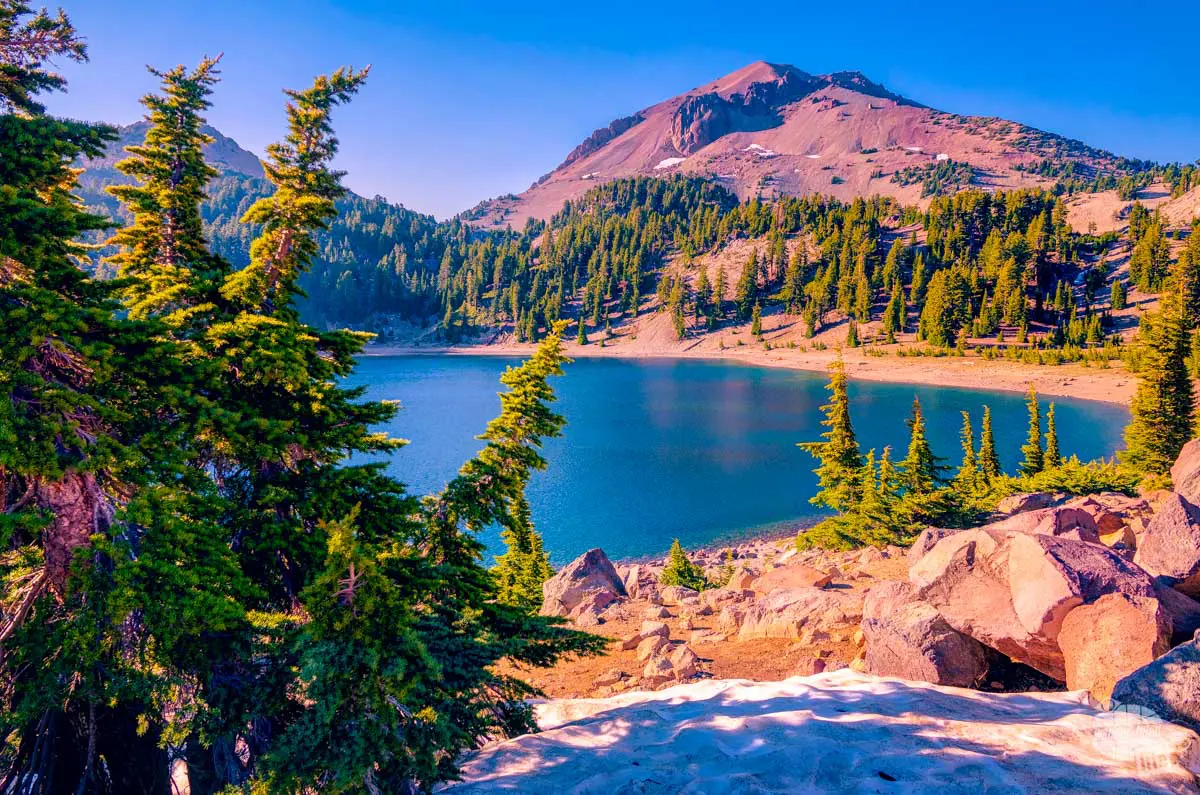
    1. Lassen Peak: Standing at 10,457 feet, Lassen Peak is one of the largest plug dome volcanoes in the world. Its eruption in 1915 created a series of dramatic landscapes, including the Devastated Area, where visitors can see the impact of pyroclastic flows and lava. A challenging 5-mile round-trip hike to the summit offers breathtaking views of the surrounding region.
    2. Bumpass Hell: Named after an early settler who discovered the area, Bumpass Hell is the largest hydrothermal area in the park. A 3-mile round-trip hike takes visitors to a boardwalk that winds through a landscape of boiling springs, steaming fumaroles, and bubbling mud pots. The vibrant colors and eerie sounds create an otherworldly experience.
    3. Sulphur Works: Located near the park’s southern entrance, Sulphur Works is easily accessible and offers a close-up view of fumaroles and boiling mud pots. The pungent smell of sulfur and the sight of steam rising from the ground are a reminder of the intense geothermal activity beneath the park.
    4. Cinder Cone: This striking volcanic feature, formed by eruptions in the 1650s, offers a glimpse into the park’s more recent volcanic activity. A 4-mile round-trip hike leads to the summit, where visitors can peer into the crater and enjoy panoramic views of the Painted Dunes and Fantastic Lava Beds.
    5. Boiling Springs Lake: One of the largest hot lakes in the world, Boiling Springs Lake is fed by numerous hot springs and fumaroles. The lake’s temperature hovers around 125°F, and its vivid turquoise color is due to the high mineral content. A 3-mile round-trip hike provides access to this unique thermal feature.
    Lassen Volcanic National Park: California's Volcanic Wonderland
    Lassen Volcanic National Park: California’s Volcanic Wonderland

    Flora and Fauna

    Lassen Volcanic National Park is not only a geological wonder but also a haven for diverse plant and animal life. The park’s varied elevations and habitats support a rich array of species.

    1. Wildflowers: In spring and summer, the park’s meadows and slopes burst into bloom with a stunning variety of wildflowers, including lupine, Indian paintbrush, and mountain mule’s ears. The vibrant displays add splashes of color to the rugged landscape.
    2. Forests: The park’s forests are dominated by a mix of conifers, including ponderosa pine, Jeffrey pine, and white fir. At higher elevations, visitors will find hardy species like red fir and mountain hemlock.
    3. Wildlife: Lassen Volcanic National Park is home to a variety of wildlife, including black bears, mule deer, mountain lions, and bobcats. Birdwatchers can spot species such as bald eagles, ospreys, and Clark’s nutcrackers. The park’s streams and lakes support populations of trout and other fish.

    Recreational Activities

    Lassen Volcanic National Park offers a wide range of recreational activities for visitors to enjoy, from hiking and camping to winter sports.

    1. Hiking: The park boasts over 150 miles of hiking trails, ranging from easy nature walks to challenging summit climbs. Popular hikes include the Lassen Peak Trail, the Kings Creek Falls Trail, and the Bumpass Hell Trail.
    2. Camping: The park offers several campgrounds, including Manzanita Lake, Butte Lake, and Summit Lake. These campgrounds provide a range of amenities, from basic tent sites to sites with hookups for RVs. Backcountry camping is also available for those seeking a more remote experience.
    3. Fishing: Anglers can enjoy fishing in the park’s lakes and streams, which are home to species such as rainbow trout, brook trout, and brown trout. Manzanita Lake is particularly popular for fly fishing.
    4. Winter Sports: In winter, Lassen Volcanic National Park transforms into a snowy wonderland, offering opportunities for cross-country skiing, snowshoeing, and snow camping. The park’s scenic roads and trails provide a serene backdrop for winter adventures.
    5. Ranger Programs: The park offers a variety of ranger-led programs, including guided hikes, campfire talks, and educational programs. These activities provide visitors with an opportunity to learn more about the park’s natural and cultural history.

    Preserving Lassen’s Natural Beauty

    Lassen Volcanic National Park is committed to preserving its unique landscapes and ecosystems for future generations. The park’s management focuses on protecting its natural resources, promoting sustainable tourism, and conducting scientific research.

    1. Conservation Efforts: The park works to preserve its diverse habitats and protect its flora and fauna from threats such as invasive species and climate change. Restoration projects aim to rehabilitate damaged areas and maintain the park’s ecological integrity.
    2. Sustainable Practices: The park encourages visitors to practice Leave No Trace principles, minimizing their impact on the environment. Initiatives such as recycling programs, energy-efficient facilities, and sustainable transportation options contribute to the park’s sustainability goals.
    3. Research and Monitoring: Scientific research in the park helps to deepen our understanding of volcanic activity, geothermal features, and ecological processes. Ongoing monitoring of volcanic activity ensures the safety of visitors and staff.

    Conclusion

    Lassen Volcanic National Park is a testament to the powerful forces of nature and the beauty that arises from their interaction. From its awe-inspiring volcanic landscapes to its rich biodiversity, the park offers a unique and enriching experience for all who visit. Whether you’re exploring the geothermal wonders of Bumpass Hell, hiking to the summit of Lassen Peak, or simply enjoying the serene beauty of a wildflower-filled meadow, Lassen Volcanic National Park invites you to connect with the natural world and discover the wonders of California’s volcanic wonderland.

  • Best Places for Stargazing in California

    Best Places for Stargazing in California

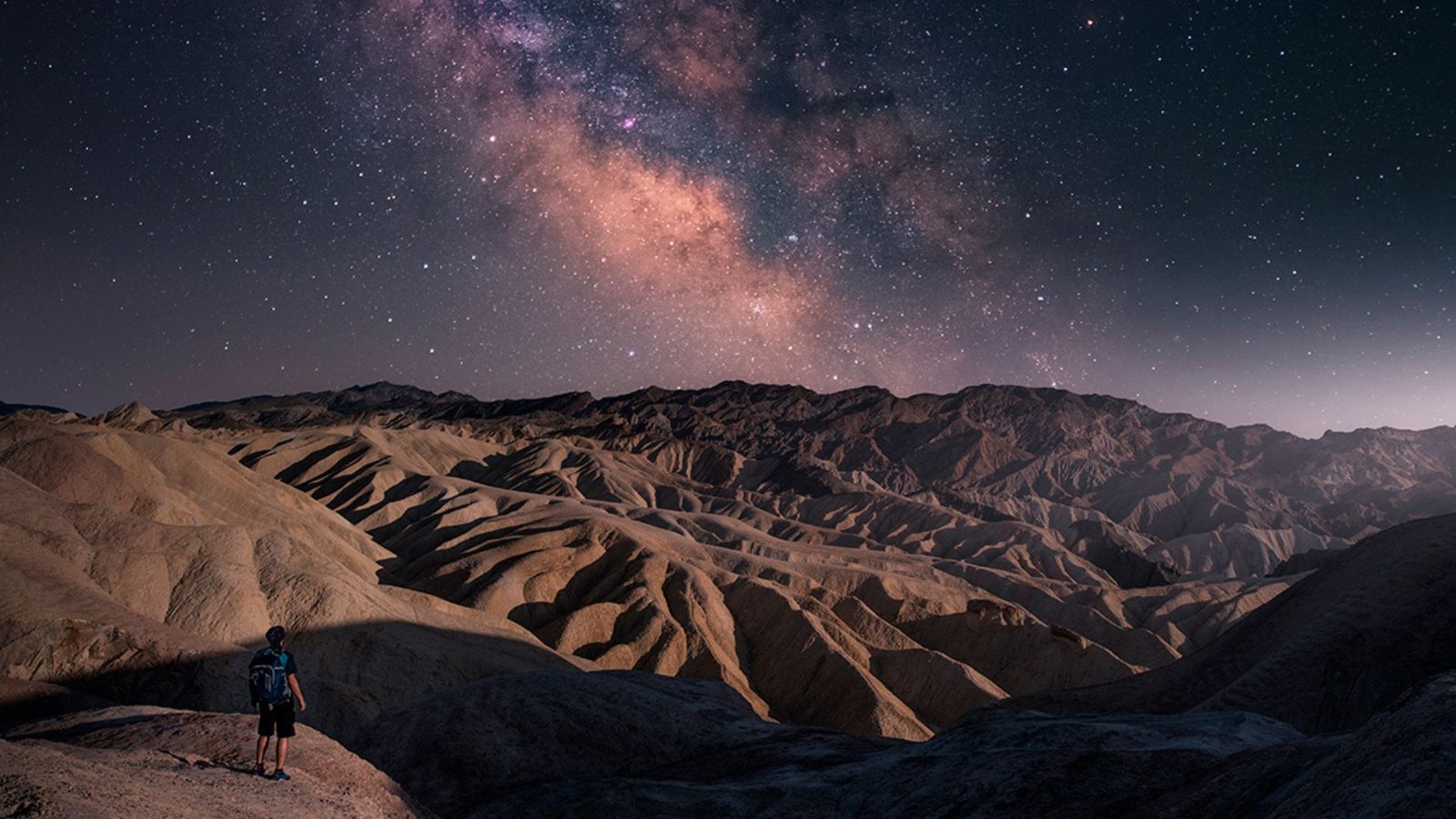
    If you’re a fan of stargazing in California, you’re in for a treat. The Golden State offers some of the best spots for seeing the night sky in all its glory. Whether you’re a seasoned astronomer or just love looking at the stars, California has a variety of locations perfect for stargazing. In this article, we’ll guide you through the top places for stargazing in California, explaining why each one is special. Get ready to be amazed by the beauty of the night sky!

    Places for Stargazing in California

    Joshua Tree National Park

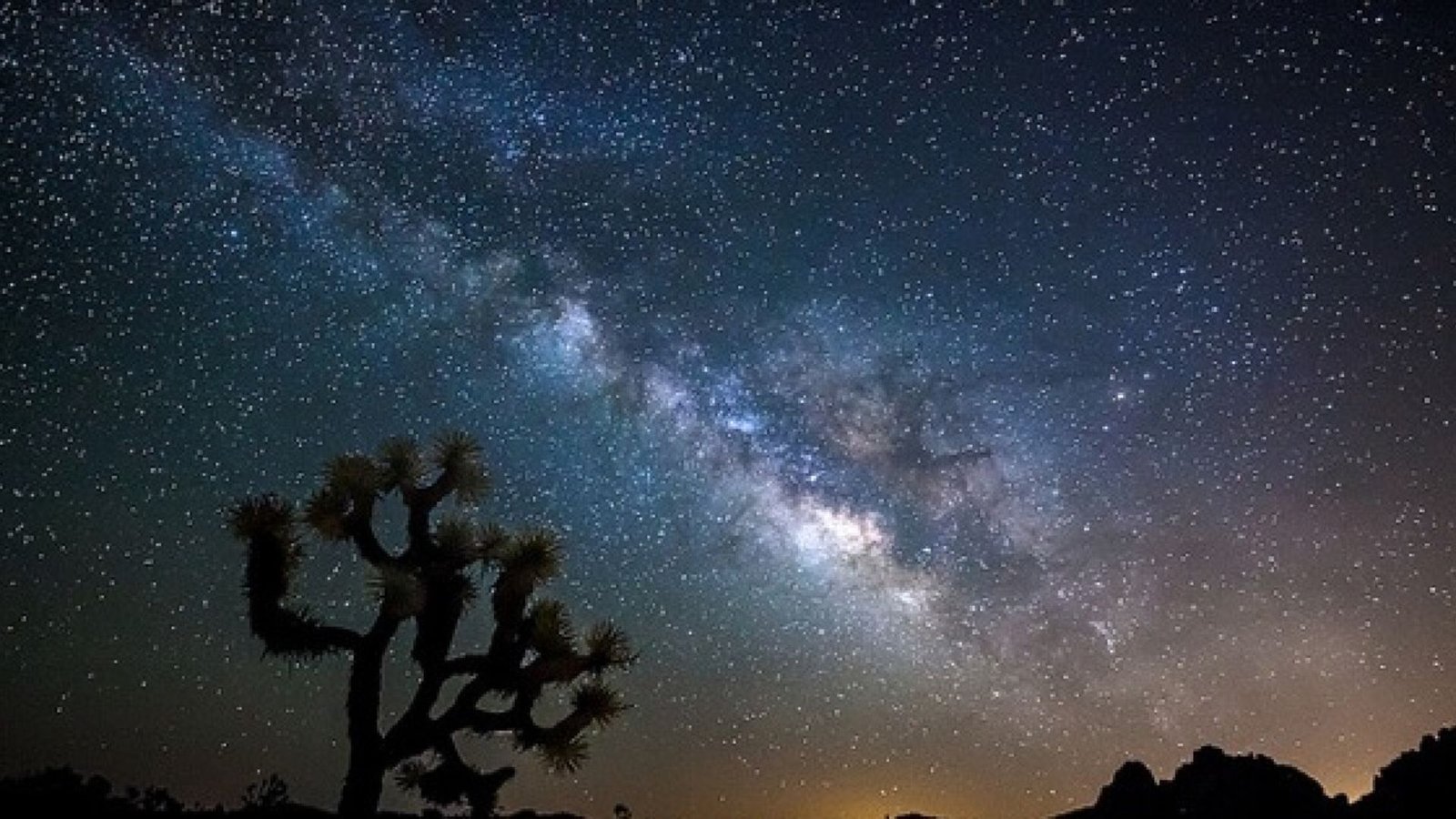
    Joshua Tree National Park is a top destination for stargazing in California. The park is known for its dark skies, making it an ideal spot to see stars, planets, and even the Milky Way. The unique landscape of Joshua Tree adds to the magical experience, with its iconic Joshua trees and rugged rock formations.

    One of the Places for Stargazing in California
    Best Places for Stargazing in California

    One of the best times to visit Joshua Tree for stargazing is during a new moon when the sky is darkest. The park also hosts star parties and astronomy events, where you can learn more about the night sky from experts. Remember to bring a blanket and some warm clothes, as the desert nights can get chilly.

    Big Sur

    Big Sur offers stunning coastal views during the day, but it’s also a fantastic spot for stargazing at night. The lack of light pollution along this rugged stretch of California’s coastline makes it perfect for seeing a sky full of stars. Imagine lying on a beach or sitting on a cliff, watching the stars twinkle above the crashing waves.

    Pfeiffer Big Sur State Park is a great place to set up camp and enjoy the night sky. The park offers camping facilities, making it easy to spend the night under the stars. Whether you’re a beginner or an experienced stargazer, Big Sur’s natural beauty will leave you in awe.

    Death Valley National Park

    Death Valley National Park is known for its extreme temperatures, but it’s also one of the best places for stargazing in California. The park’s remote location and desert air create perfect conditions for clear, dark skies. Death Valley is recognized as a Gold Tier Dark Sky Park by the International Dark-Sky Association.

    One of the best spots in Death Valley for stargazing is the Mesquite Flat Sand Dunes. Here, you can enjoy unobstructed views of the night sky while standing on the soft, shifting sands. The park also offers ranger-led stargazing programs, where you can learn about the stars and planets from knowledgeable guides.

    Mount Wilson Observatory

    For those who want to combine stargazing with a bit of history, Mount Wilson Observatory is the place to go. Located in the San Gabriel Mountains, just outside of Los Angeles, the observatory has been a centre for astronomical research since the early 20th century. It’s home to the famous Hooker Telescope, which was once the largest telescope in the world.

    Mount Wilson offers public telescope nights, where you can look through powerful telescopes and see the night sky up close. The observatory’s location above the city’s light pollution makes it a great spot for stargazing in California. Don’t forget to check their schedule and make a reservation in advance.

    Anza-Borrego Desert State Park

    Anza-Borrego Desert State Park is another fantastic destination for stargazing in California. The park’s remote location and vast desert landscape provide an excellent backdrop for viewing the stars. Anza-Borrego is also a designated International Dark Sky Park, ensuring minimal light pollution and stunning night skies.

    One of the best places in the park for stargazing is Borrego Palm Canyon. The canyon’s wide-open space and towering palm trees create a unique setting for watching the stars. The park also hosts stargazing events and astronomy programs, making it a great destination for both novice and experienced stargazers.

    Conclusion

    California offers a wealth of incredible locations for stargazing. From the dark skies of Joshua Tree and Death Valley to the coastal beauty of Big Sur and the historical significance of Mount Wilson Observatory, there’s something for everyone. Whether you’re looking for a remote desert experience or a coastal retreat, the best places for stargazing in California will leave you mesmerized by the night sky. So grab your telescope, pack a blanket, and get ready to explore the stars!