
The blend of outdoor living and urban chic is transforming modern lifestyles, merging natural environments with sleek city designs. This innovative combination allows people to enjoy the best of both worlds—serenity and convenience. In cities across the globe, architects and urban planners are increasingly designing spaces that seamlessly integrate outdoor elements with contemporary urban living, creating vibrant environments that prioritize well-being, sustainability, and modern aesthetics.

Urban Chic Meets Nature
As cities grow denser, the desire for the blend of outdoor living and urban chic has become more popular. Urban planners now incorporate green spaces, rooftop gardens, and open-air lounges into residential complexes, allowing city dwellers to reconnect with nature without leaving the urban environment. For example, cities like New York and Tokyo have transformed formerly unused spaces into lush, urban sanctuaries. The High Line in New York is a perfect illustration, turning an old railway line into a vibrant, elevated park that blends modern architecture with lush greenery.
The trend of urban farming also emphasizes this blend, with residents of cities growing their own produce in rooftop gardens or community spaces. This practice offers the benefits of outdoor living while staying connected to urban life. Vertical gardens, used in both residential and commercial spaces, contribute to this growing movement, adding a refreshing touch of nature to concrete jungles.
Outdoor Living in Modern Residences
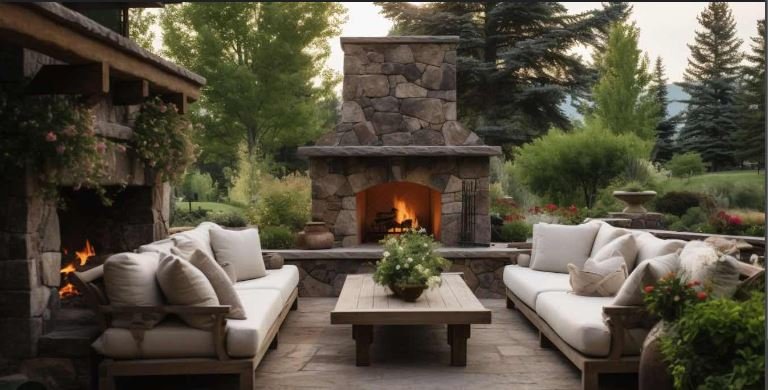
The design of modern homes also reflects the blend of outdoor living and urban chic, where outdoor spaces become essential to the urban lifestyle. Many contemporary homes, especially in cities, incorporate large balconies, terraces, and patios to bring the outdoors in. These spaces, decorated with minimalistic furniture, chic lighting, and modern fire pits, embody the intersection of comfort and style, allowing residents to enjoy fresh air and city views without sacrificing luxury.
Architects often use glass walls, large windows, and sliding doors to create seamless transitions between indoor and outdoor areas, emphasizing the harmony between natural elements and city living. In warm climates, these designs enable year-round outdoor enjoyment, while in colder regions, residents can still appreciate the beauty of the outdoors from the comfort of their urban homes.
Community Spaces Redefined
The blend of outdoor living and urban chic has also redefined how communities interact within cities. Public spaces such as parks, plazas, and walking trails now cater to urbanites who value outdoor recreation without leaving the city. Mixed-use developments in cities like Vancouver and Singapore offer residents access to shopping, dining, and entertainment within green environments, combining convenience with nature.
Outdoor dining areas, pop-up markets, and open-air cinemas are also becoming increasingly popular, offering urban residents opportunities to engage with their community in aesthetically pleasing, outdoor settings. These spaces balance the energetic pace of city life with moments of relaxation, creating a more balanced and fulfilling lifestyle for city dwellers.
Conclusion
The growing trend of the blend of outdoor living and urban chic provides a harmonious balance between nature and city life. By integrating green spaces, outdoor areas, and modern aesthetics into urban environments, cities are transforming into hubs of innovation, wellness, and sustainability. From rooftop gardens to outdoor terraces, these spaces not only enhance the quality of life for residents but also help foster a sense of community. As more cities embrace this blend, urban living continues to evolve into a dynamic fusion of style, nature, and convenience.